I took a trip to Puerto Rico last summer (2022) during the end of June and beginning of July. My main reason for going was to attend the the American Ornithological Society Conference that was held in San Juan. There were various field trips that conference attendees could go on and I signed up for two: a night trip to the El Yunque rainforest and a trip to a Puerto Rican Parrot recovery sight at the Rio Abajo State Forest.
I jumped at the opportunity to see Puerto Rican Parrots, because they are considered critically endangered and I don’t think I’d be able to find them on my own on the Island. These beautiful parrots were very nearly lost to the world during the past century. In 1972, there were only about 16 parrots left, and at that point, some of them were brought into captivity where they could be protected and bred. The parrots were first bred in captivity at Luquillo, and later, a second aviary was established at Rio Abajo. Today, populations have been established at three sites: the El Yunque Rainforest, the Rio Abajo State Forest, and the Maricao State Forest.
There have been some major ups and downs to the efforts to conserve the Puerto Rican Parrot. The birds can breed well in captivity and many captive-bred birds that have been released into the wild have raised chicks of their own. However, the population has suffered major setbacks due to hurricanes, the latest one being hurricane Maria.
Nonetheless, the overall population of Puerto Rican Parrots has increased since it was at its low point in 1972. Today, the US Fish and Wildlife Service estimates that there are about 500 of the parrots in existence, with about 250 of those living in the wild.
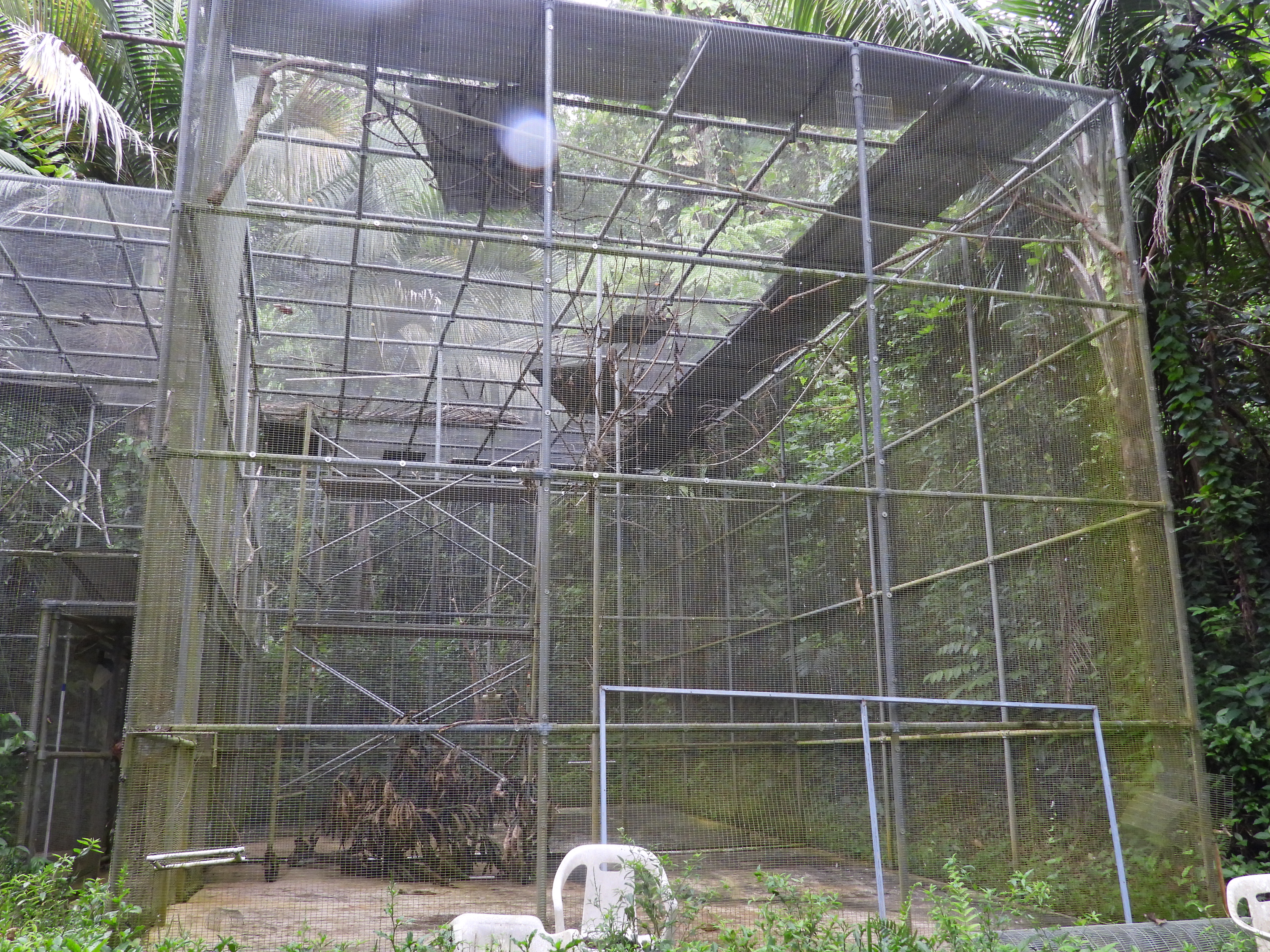
This is one of the larger aviaries at the breeding and release sight at the Rio Abajo Forest. The largest aviaries are used to prepare captive birds to be released into the wild.

Here is one of the young parrot chicks.
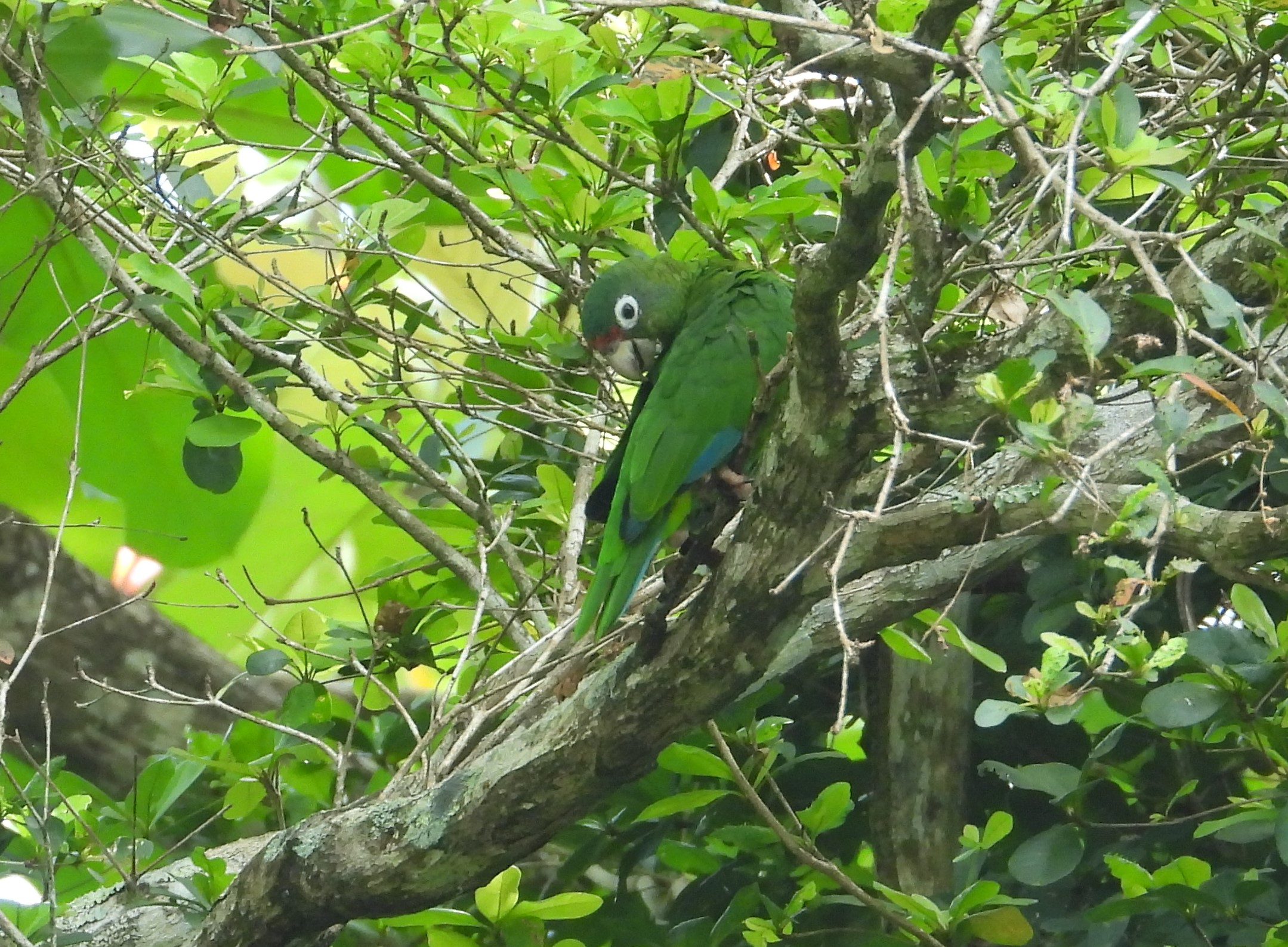
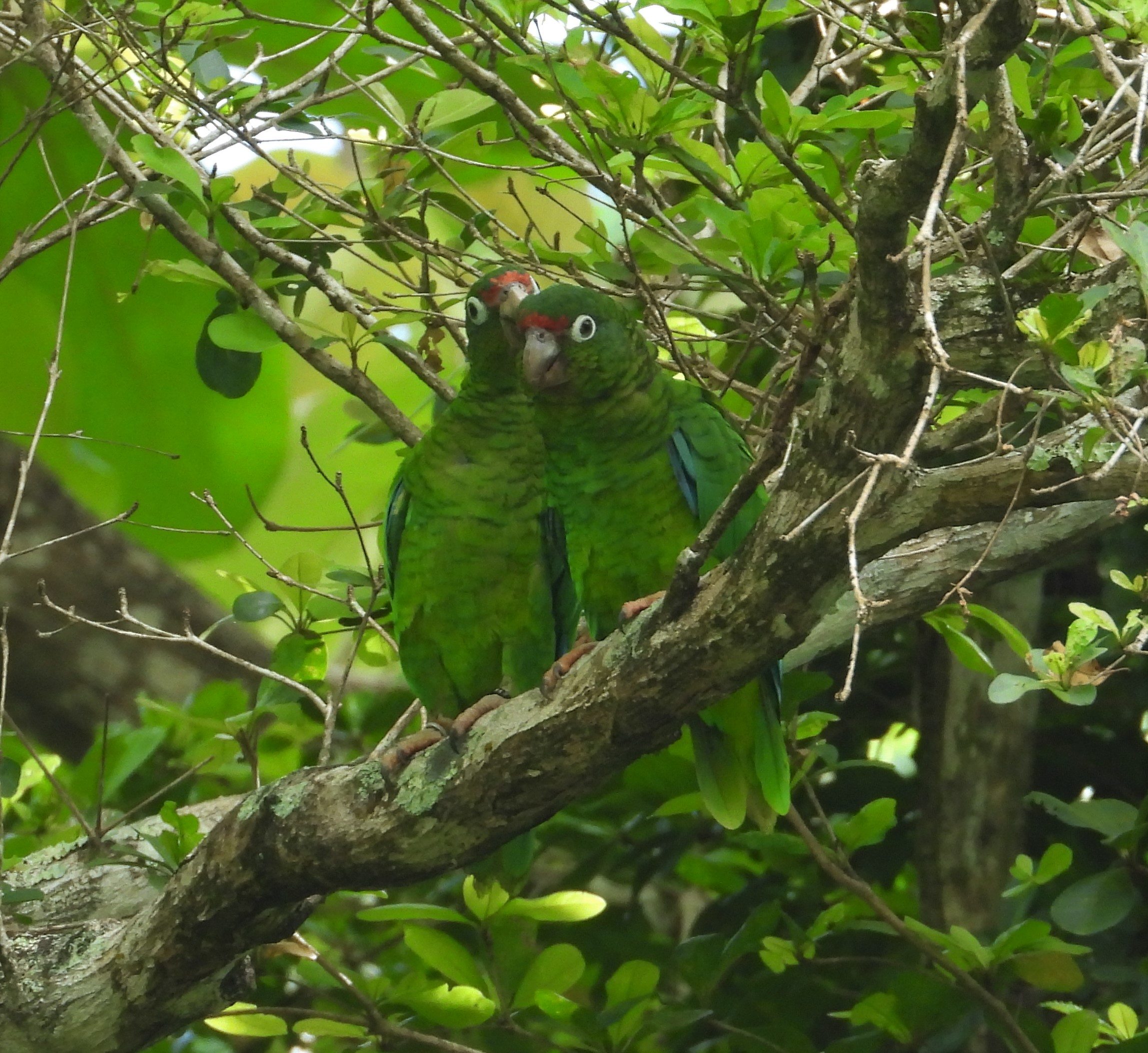
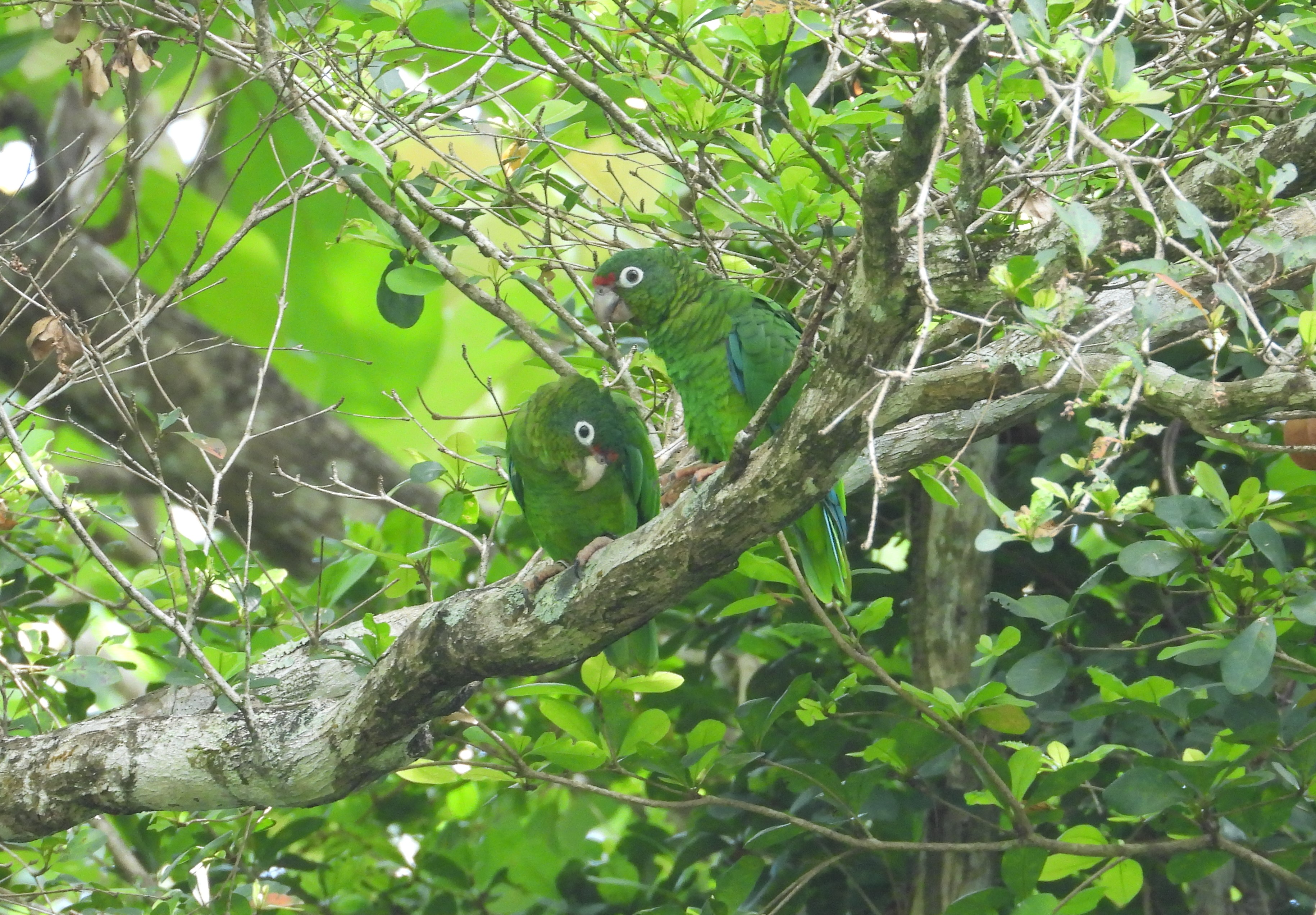
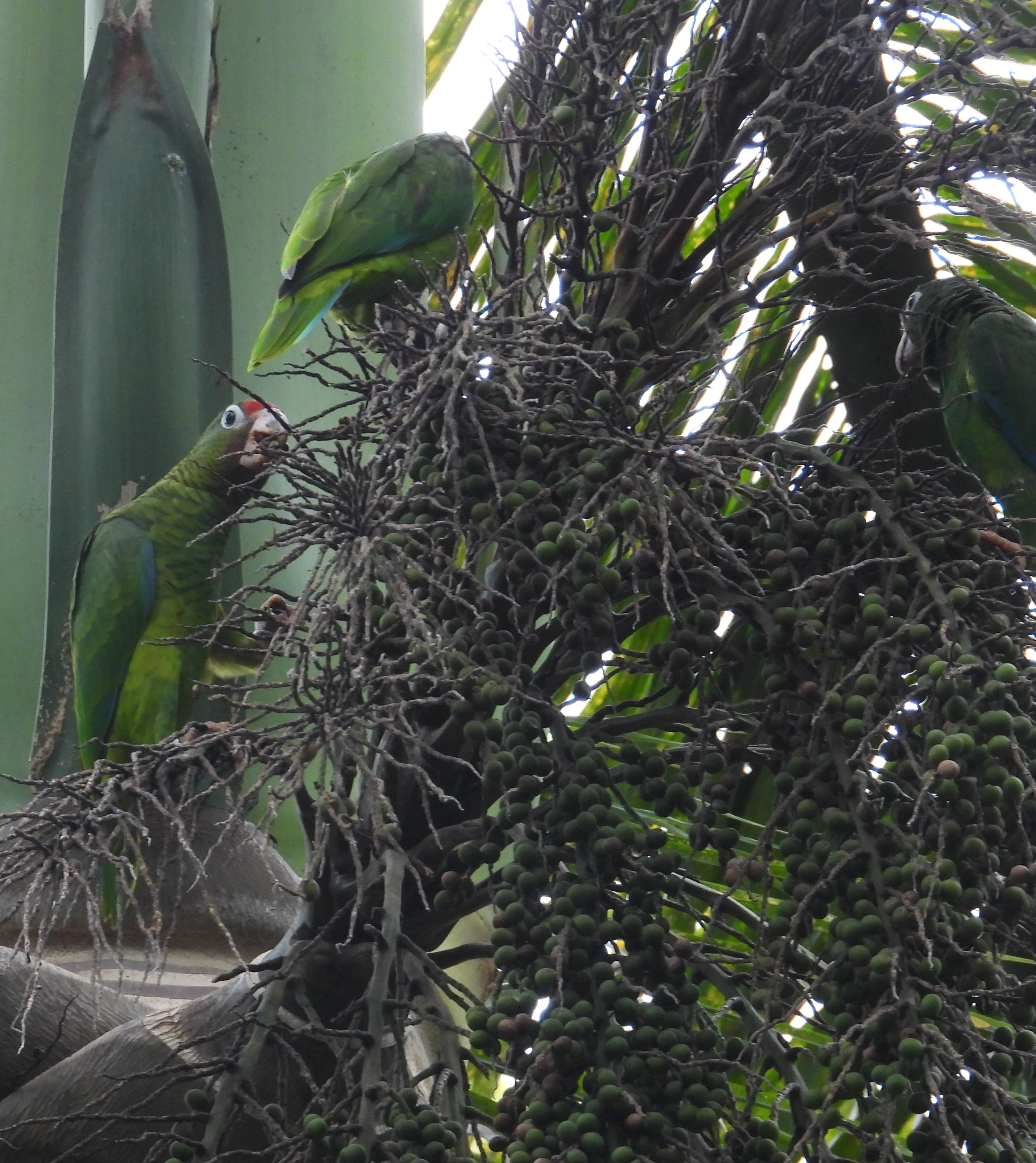
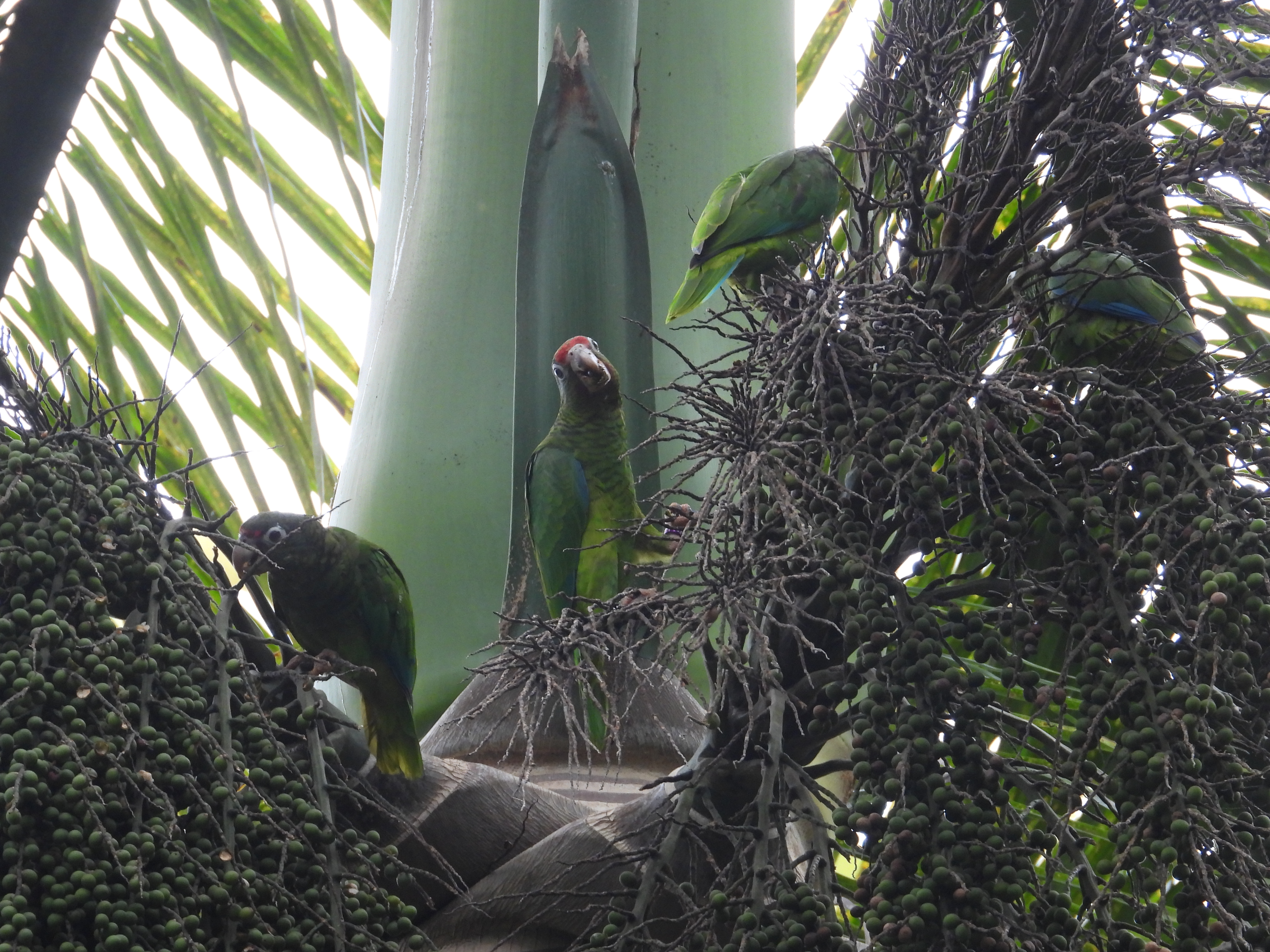
We were able to see many of the parrots living in aviaries, and there was also a flock of free-living parrots feeding on palm fruits. It eventually started to rain, which excited all of the parrots and caused them to fly around in a large flock. The captive birds in aviaries enjoyed the rain and started vocalizing and bathing.
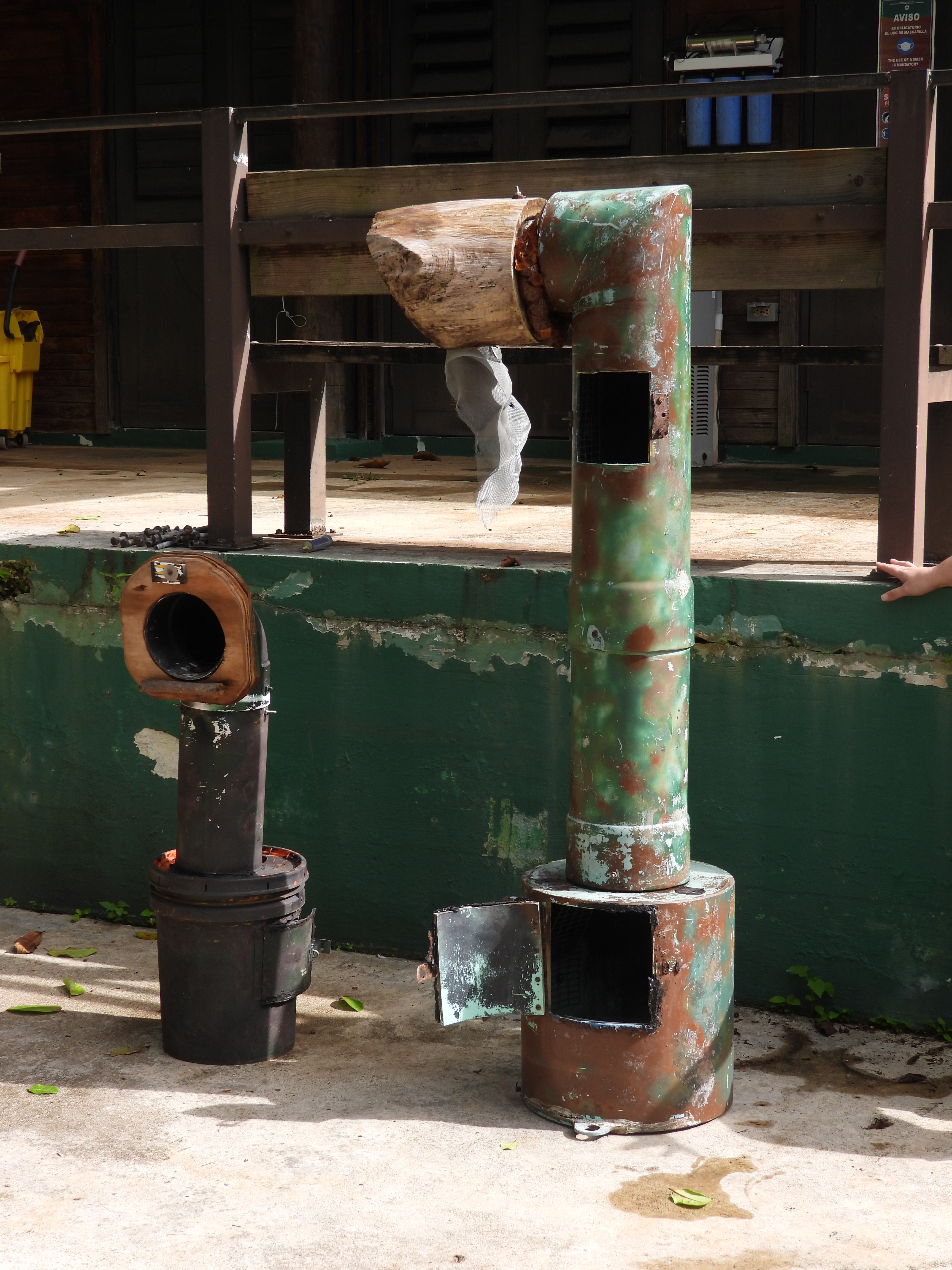
These are some of the artificial nest boxes that have been placed in the forest for the parrots. Like most parrot species, Puerto Rican Parrots are cavity nesters. Population growth can be limited by the availability of good nesting cavities, so providing wild parrots with artificial nests can help boost population numbers.
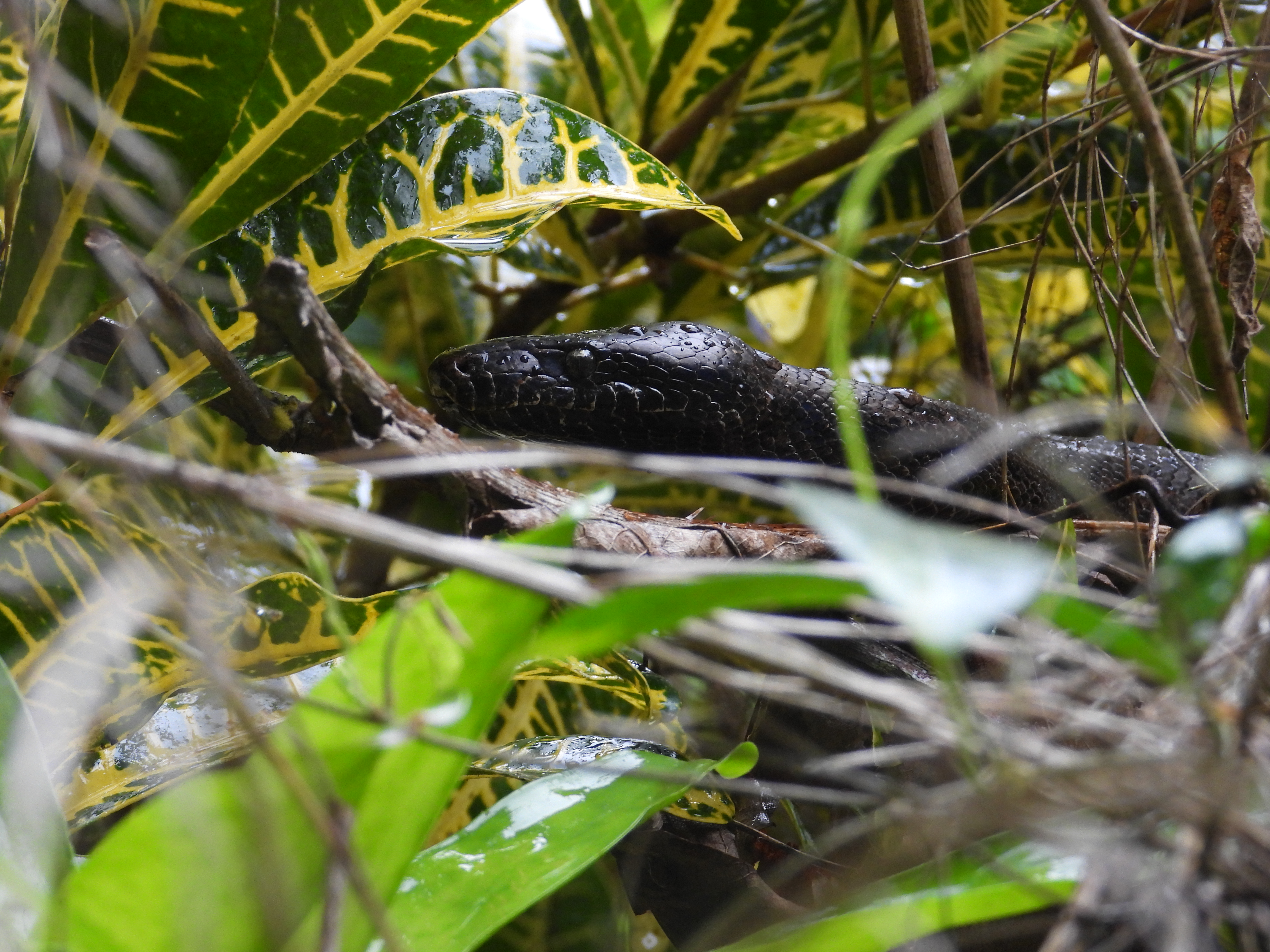
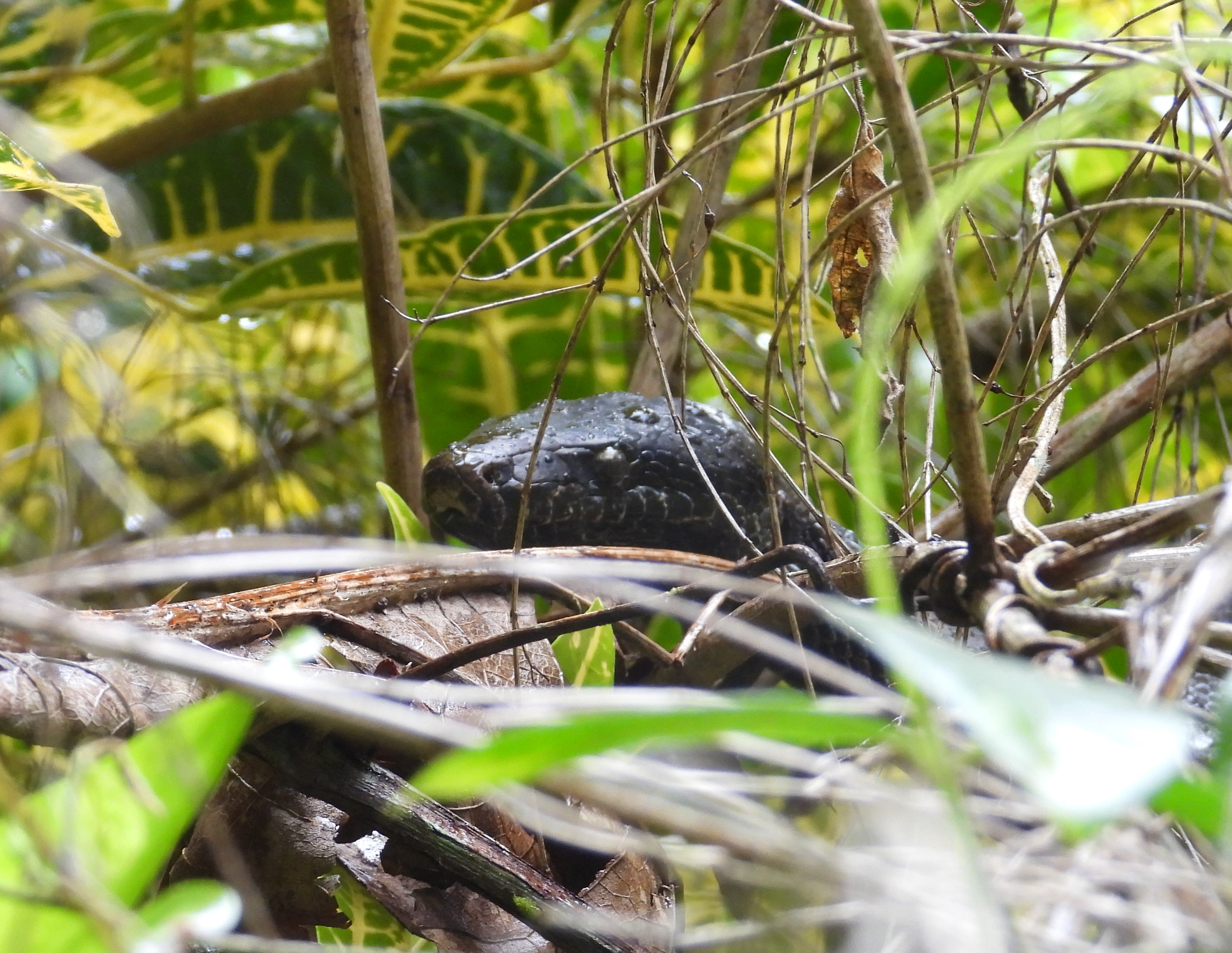
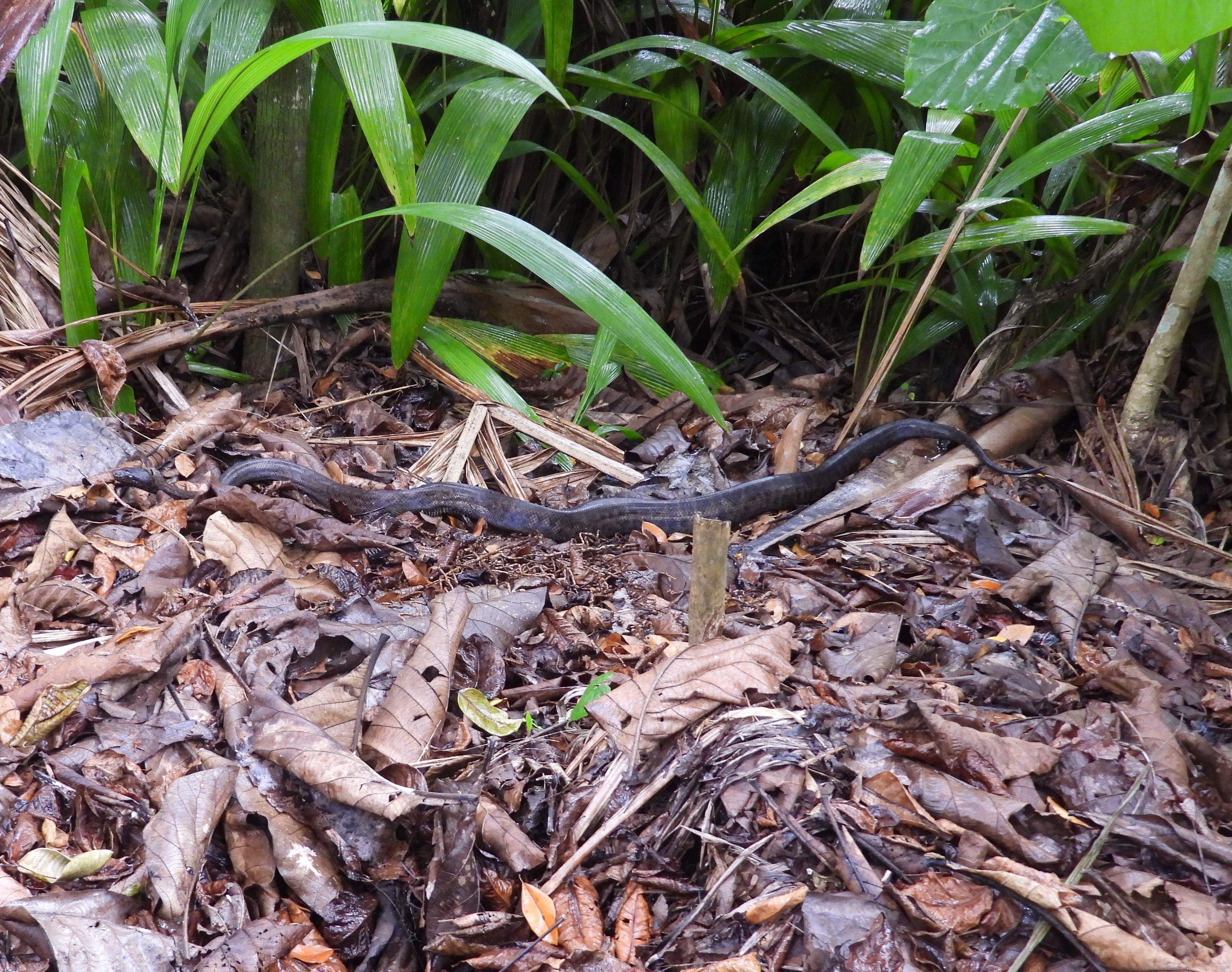
I saw this Puerto Rican Boa at the Rio Abajo Forest as well. There were also Puerto Rican Todies in the forest, but I was unable to get any good photos of them.
 Peace Country Naturalist