Back to blogging!
The next stop on the tour was Sorong, a city in the Indonesian province of West Papua, which is on far west side of the island of New Guinea. I’ve always been fascinated with this island due to its diverse people, landscapes, and wildlife. It is home to some of the most incredible bird species on Earth that very few people ever get to view.
New Guinea does have a reputation for being a difficult, expensive, and dangerous place to travel to. Some of the dangers can be mitigated by travelling with a reputable company that uses trustworthy guides. Good guides will know where it’s safe to travel and where the best places to find birds are. Finding birds on New Guinea is a major challenge due to the dense forests and the fact that many of the birds are very shy.

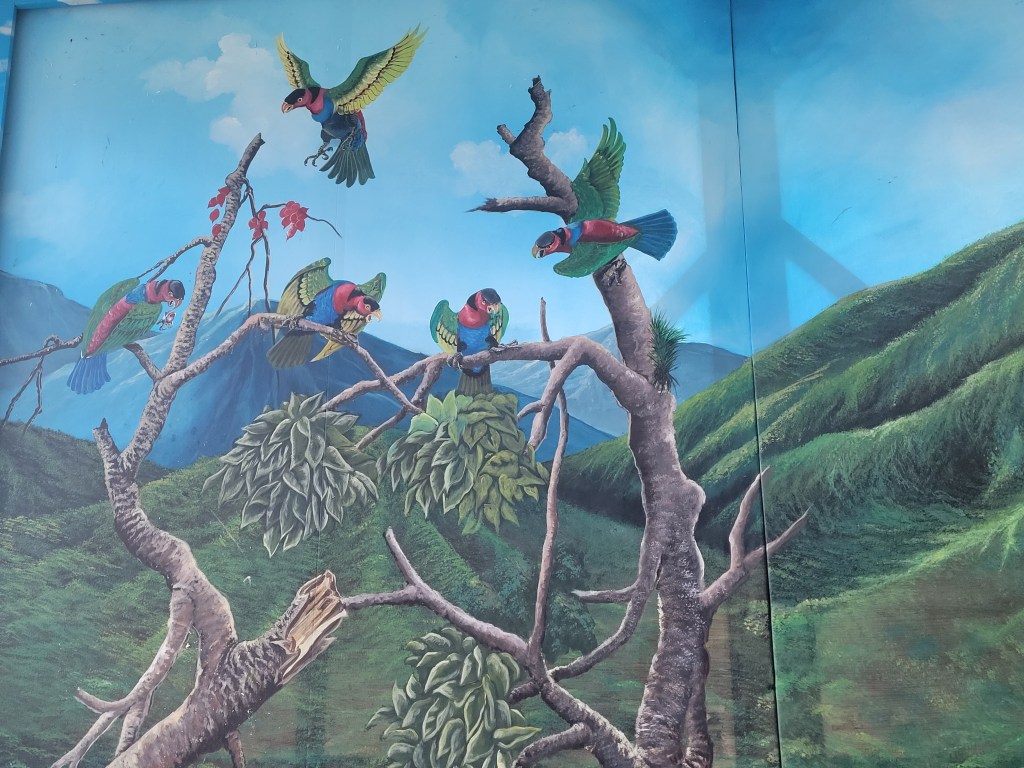
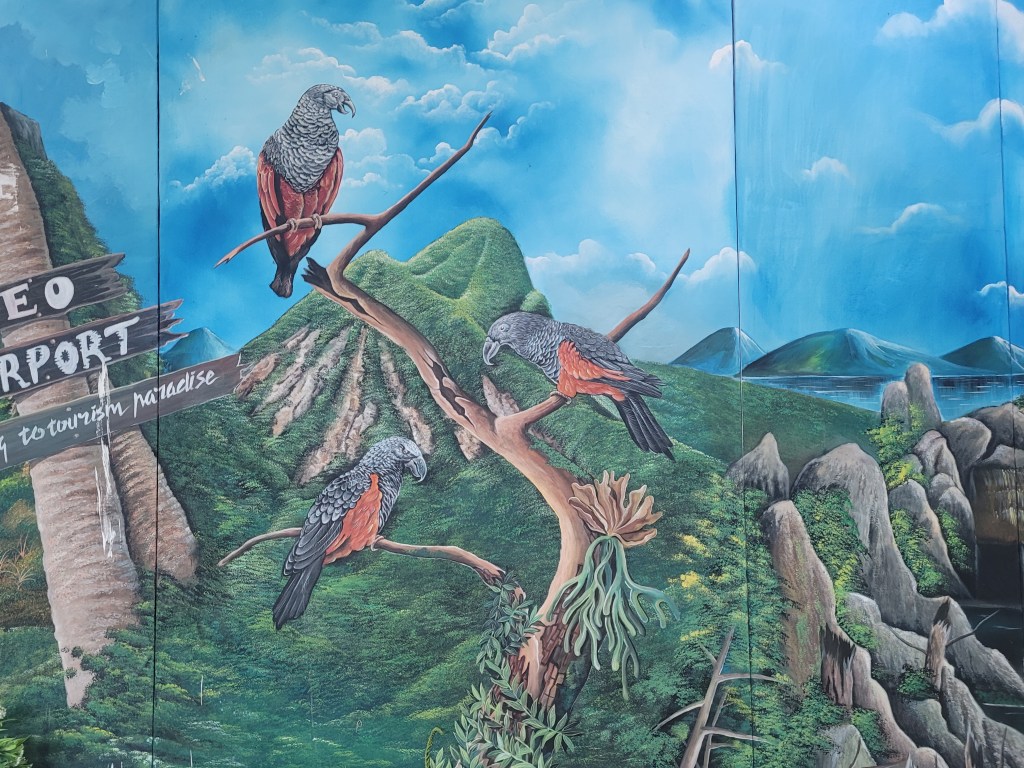
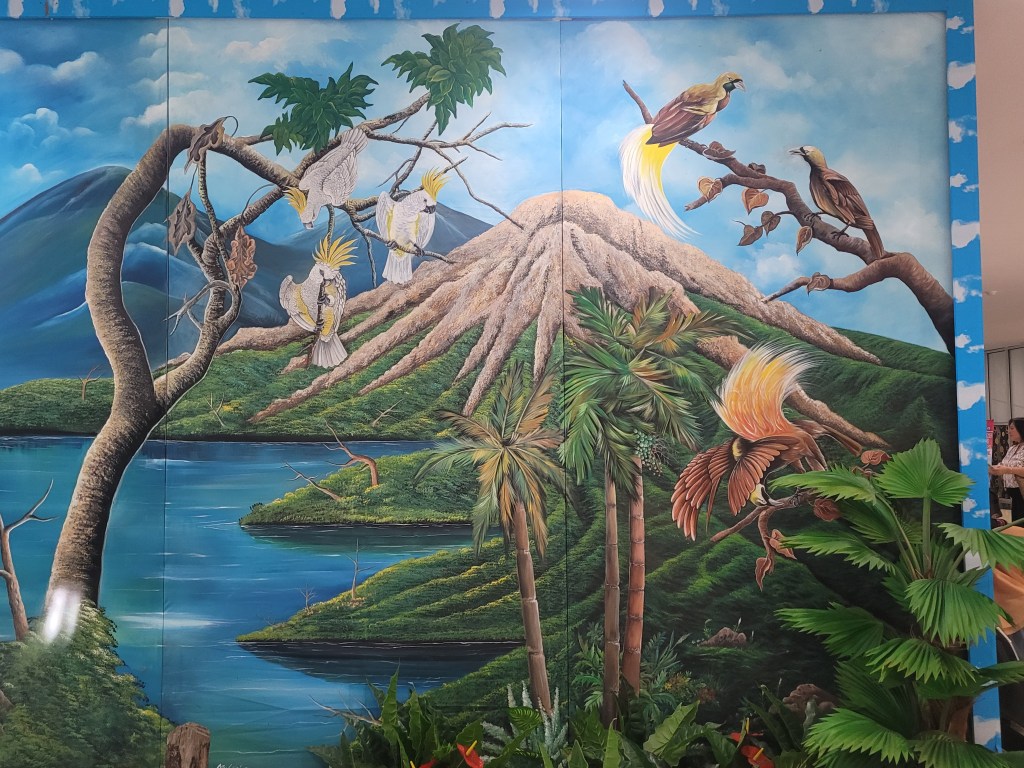
The city of Sorong itself is not a huge destination for tourists, but it’s a major stopover point for people wanting to explore the nearby Raja Ampat islands, an archipelago known for its excellent snorkeling and diving. Many birding tours also make stops in and around Sorong, as there are many spectacular birds in the forests and wetlands around the city. Many of them are depicted in the lovely paintings at the airport.

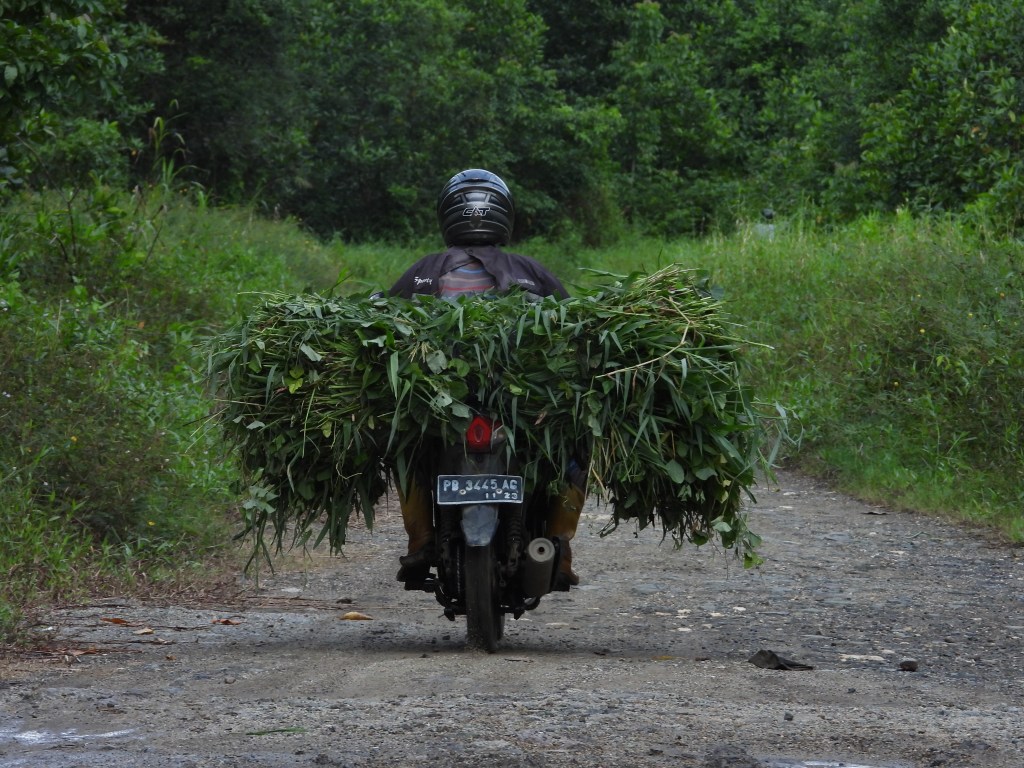
We first went birding along a gravel/dirt track close to the city. There wasn’t a lot of traffic, but people would sometimes ride by on motorbikes, which are a very common mode of transport on all the islands we visited. Curious kids also followed and watched us. I don’t think they see many foreigners in the area.

There was a small river nearby, so we managed to find some gorgeous kingfishers, including the below Little and Sacred Kingfishers. We also spotted a Blue-Black Kingfisher, but I didn’t get any decent pictures of it.


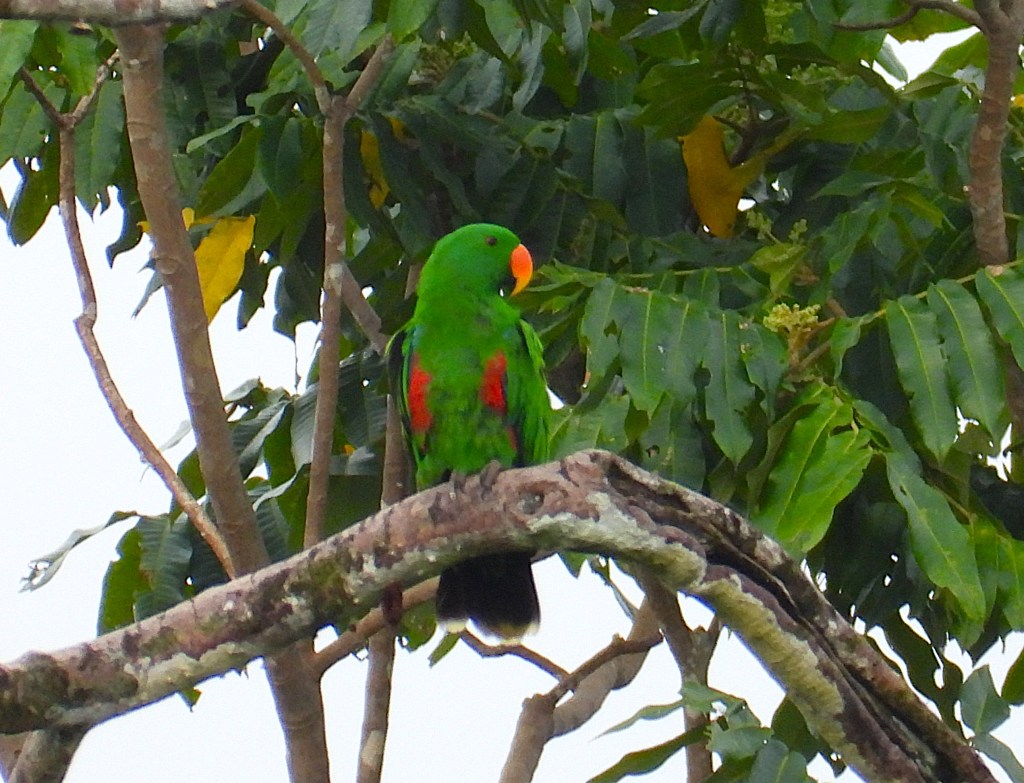
A male Papuan Eclectus (below) also showed itself very well in a nearby tree. We saw and heard Eclectus parrots on Halmahera, but they were either in flight or too far for me to photograph. Eclectus are one of the few parrot species that display obvious sexual dimorphism: the males are green and the females are red or red and blue/purple, depending on the subspecies.
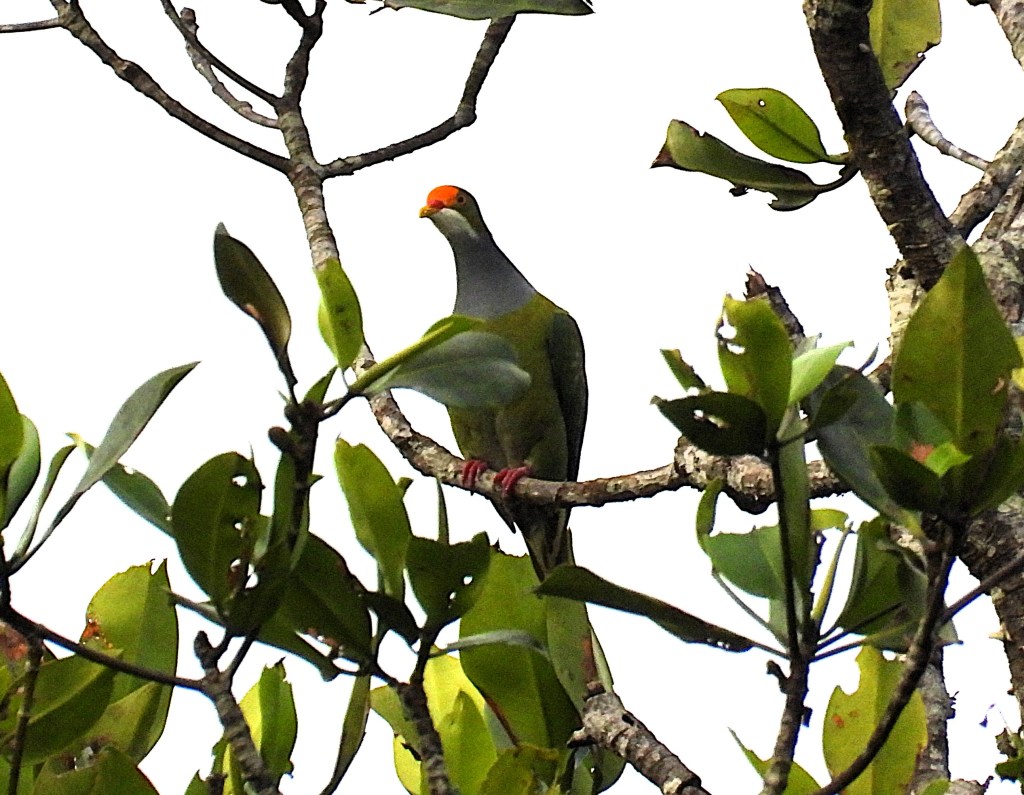
New Guinea is home to numerous dove species. The native doves found in North America tend to have rather muted earth-toned feathers, but many New Guinean doves are brightly colored, such as the below Orange-fronted Fruit Dove.
The next day, we took a day trip out to the Malasigi Forest Reserve / Village, which was a very interesting side adventure. A lot of the roads in West Papua outside of the cities are not in great condition, so we needed 4WD trucks (Toyota Hillux) to get out to the village. The road just kept getting worse and worse until we were driving in very deep mud. The drivers managed to get us through without getting us stuck, which was honestly amazing. Most of the drive was done in darkness, as we left at about 4 AM (which is typical for days on a birding tour).
We stopped at a clearing on the way to the village to watch for the Twelve-wired Bird-of-Paradise. The males of this species tend to display very early in the morning on tree snags where they will be very visible to any females . The “twelve wire” in the name comes from the male’s unusual tail. The tail feathers are very reduced and look like wires that bend back towards the bird’s head. This feature can be seen in the below photo, as can his bright yellow feathers.
We were successful in spotting one of these beautiful and bizarre birds. A male showed up on a tree snag and called and displayed in the hopes that a female would show up. Alas, no female heard his calls. Should a female have shown up, he would have likely tickled her face with his tail feathers, a maneuver that is an important part of their courtship display.

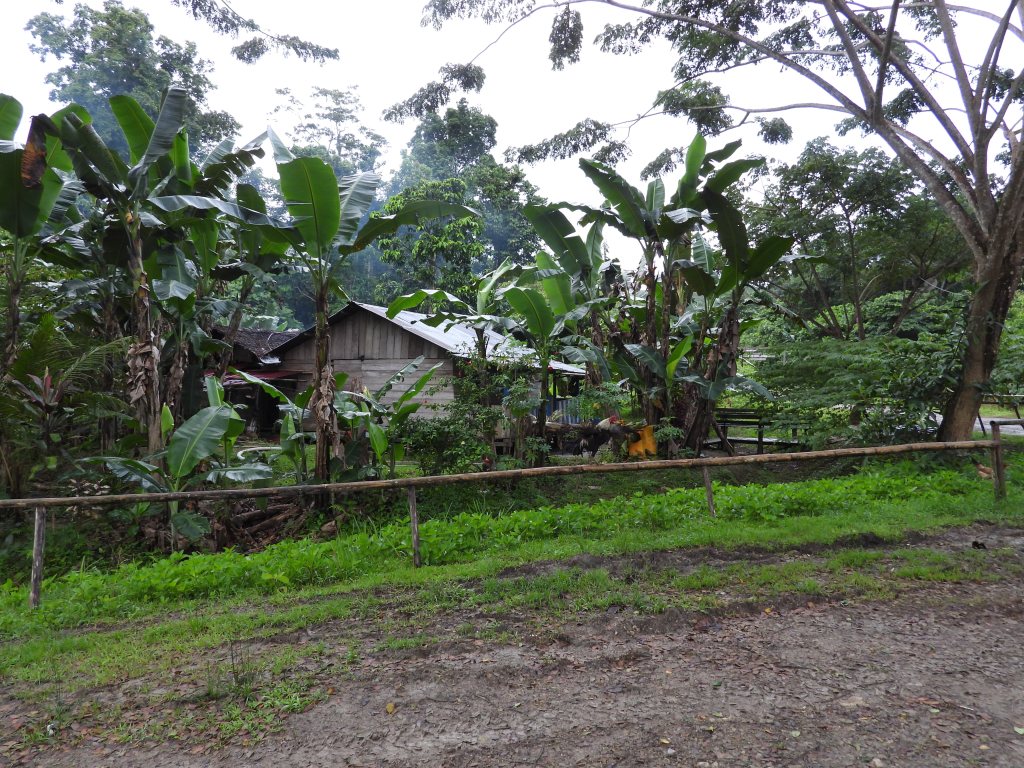
The village at Malasigi has set up some infrastructure for visitors, including trails and shelters, as well hides at key birding spots. There is also a place where adventurous people can camp. I suspect the area primarily attracts birders, but the local people will also give cultural performances, and it’s possible to go on fishing or caving tours as well.
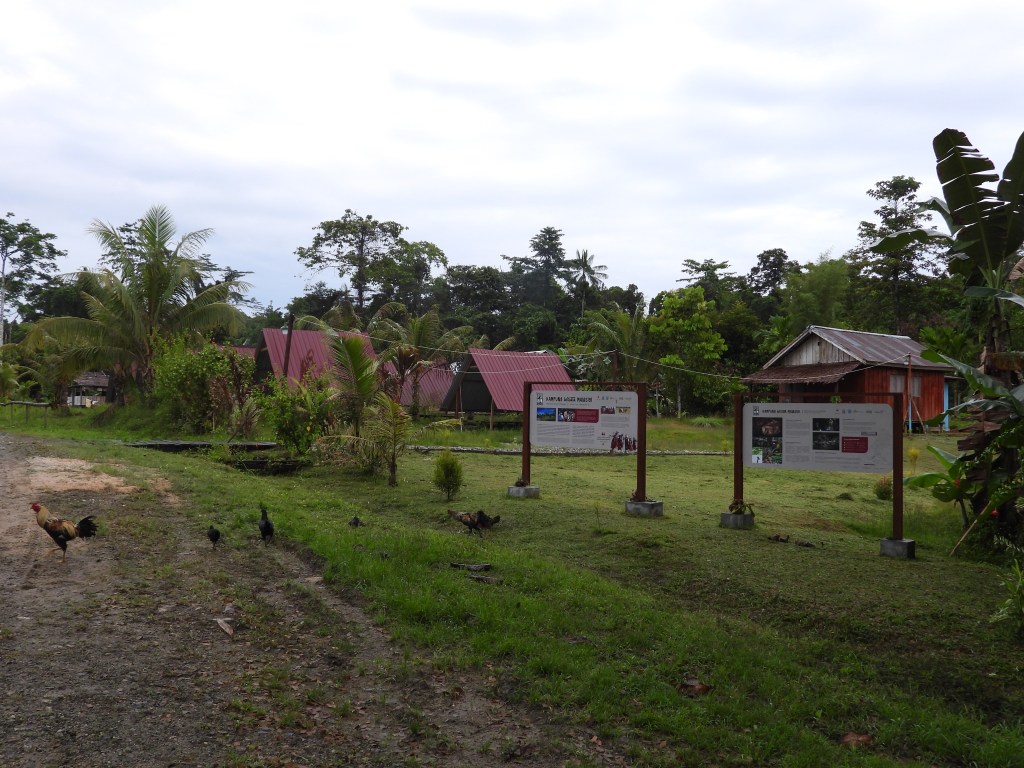

One of the highlights to the day had to be a Victoria Crowned Pigeon that we spotted on the way to one of the blinds. Alas, I have no pictures and most of the other pictures I took at this location were taken with my cell camera. My better camera’s batteries died on me and I had forgotten to bring extra.
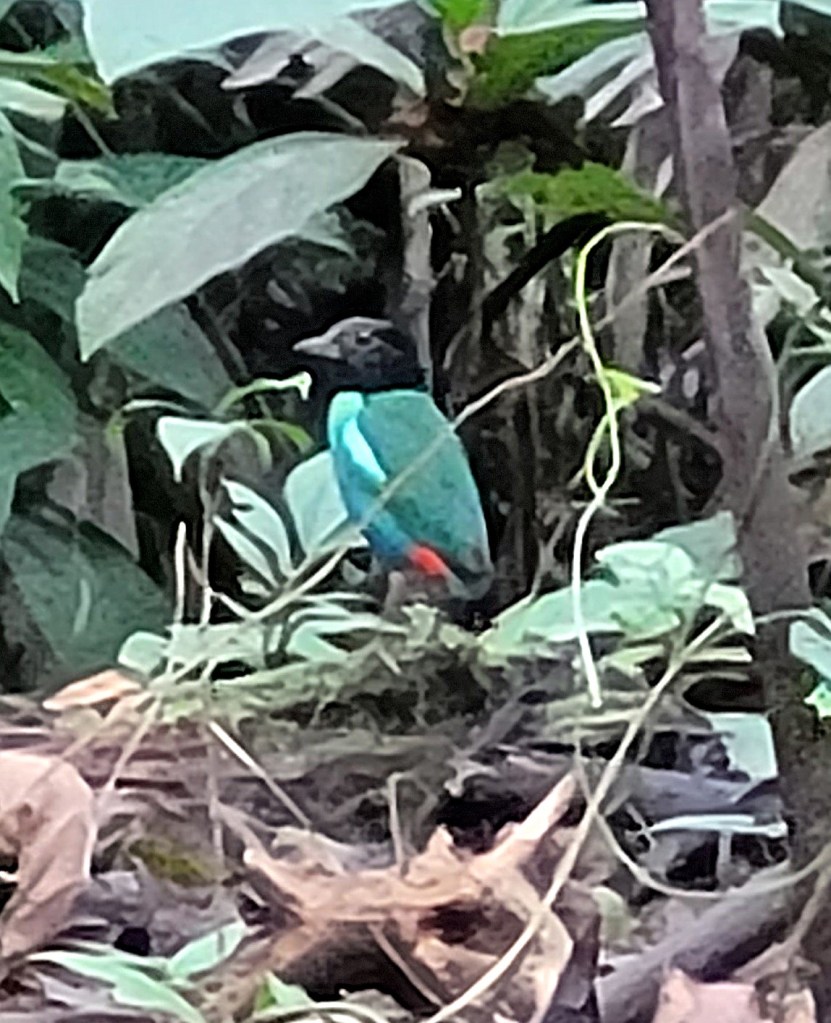
Nonetheless, I was able to get some very mediocre pictures of the Eastern Hooded Pitta that showed up at one of the blinds. It came close enough that I could get it with my cell phone. The picture does not capture the true beauty of this bird. Its colors are incredible, especially when viewed against the dark forest floor.
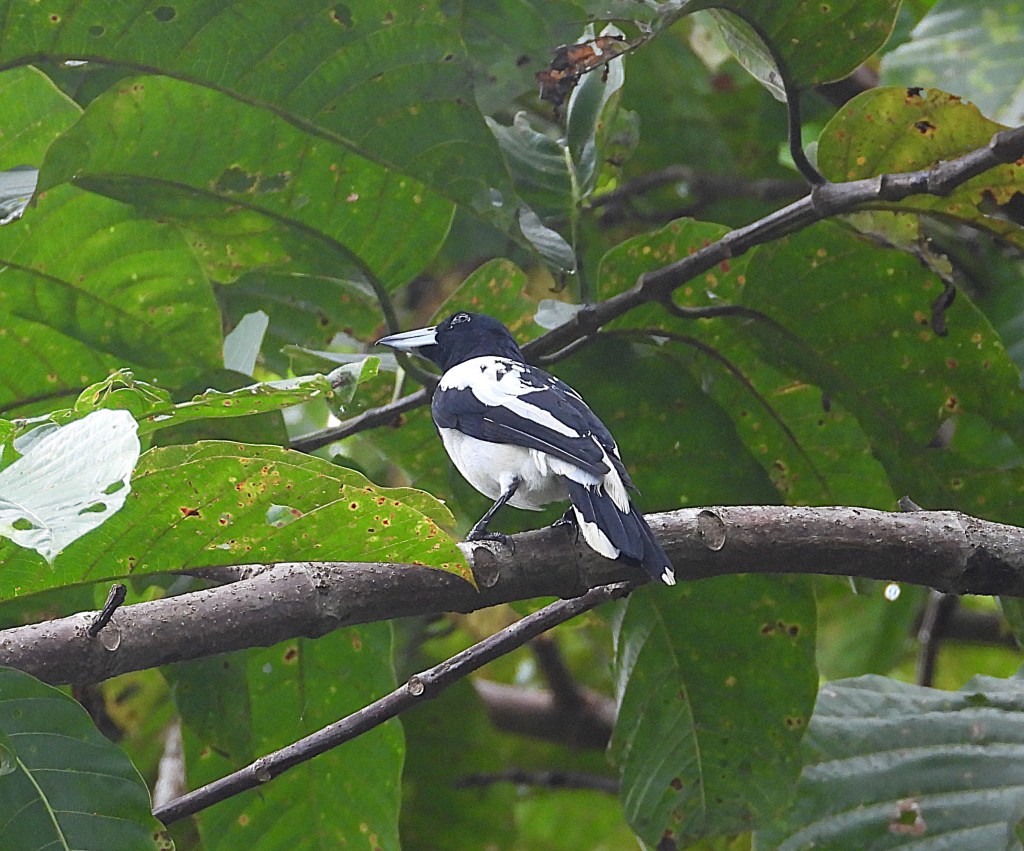
The below Black-sided Robin also made an appearance as we were waiting for the Eastern Hooded Pitta to show up.
We also went to a blind to view the Lesser Bird of Paradise, but they unfortunately were a no-show. The Magnificent Bird-of-Paradise, however, was not. Males of that species display at traditional sites on the ground, which they keep clear of leaves and other debris. The male Magnificent who showed up at the blind spent some time clearing his display court of leaves.
It’s not apparent in the video, but the male Magnificent Bird-of-Paradise has two curly, pale blue tail feathers. He also has an iridescent green breast shield that he can expand when displaying to a female.
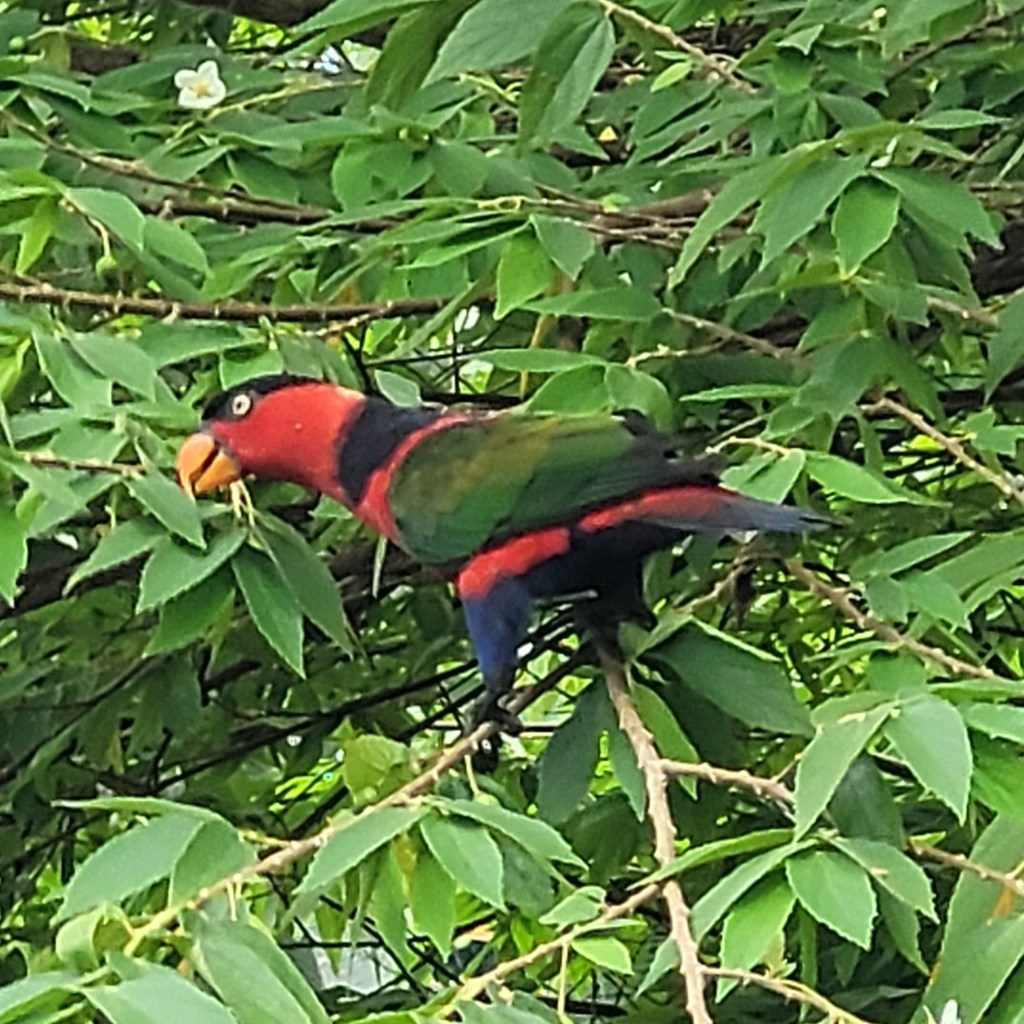
Despite my camera problems, I did get a picture of a Black-capped Lory. This bird was a tame but free-living bird that lived in the village. He was perched on top of the heads of one of the children but he flew off before I could get a picture. Because he was used to people, we could all get quite close to take photos.
We headed back towards Sorong at dusk, when hundreds of fruit bats started to emerge and fly towards their nightly feeding grounds.
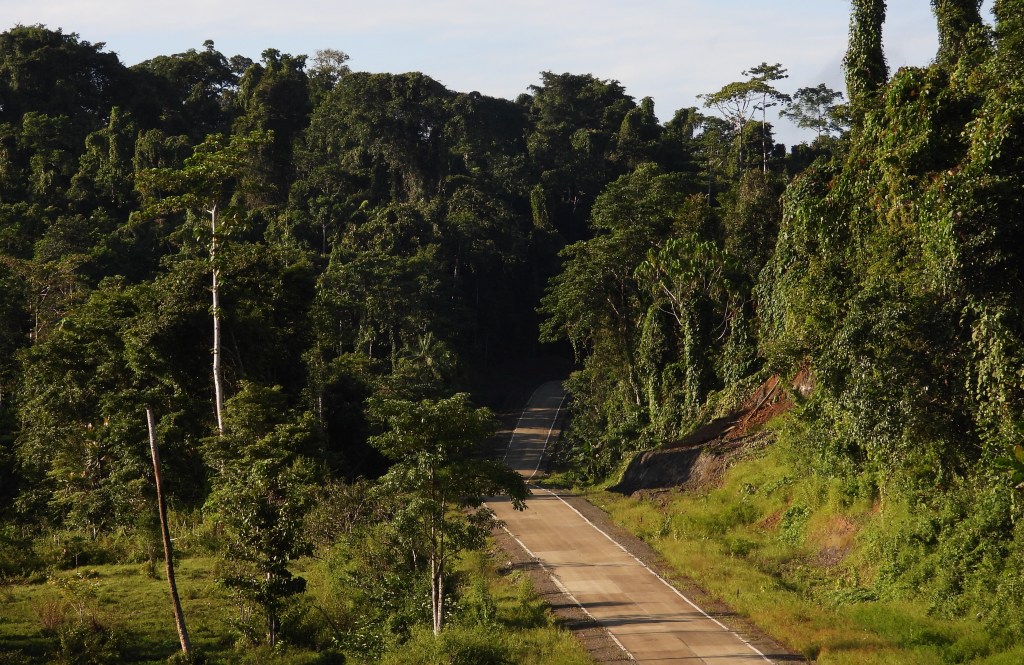
The next day, we headed to a patch of road southeast of Sorong to look for birds. I have no idea how the guides knew that particular spot (which seemed like a random patch on the side of the road) would be a good place to find birds, but we ended up with great views of several birds.
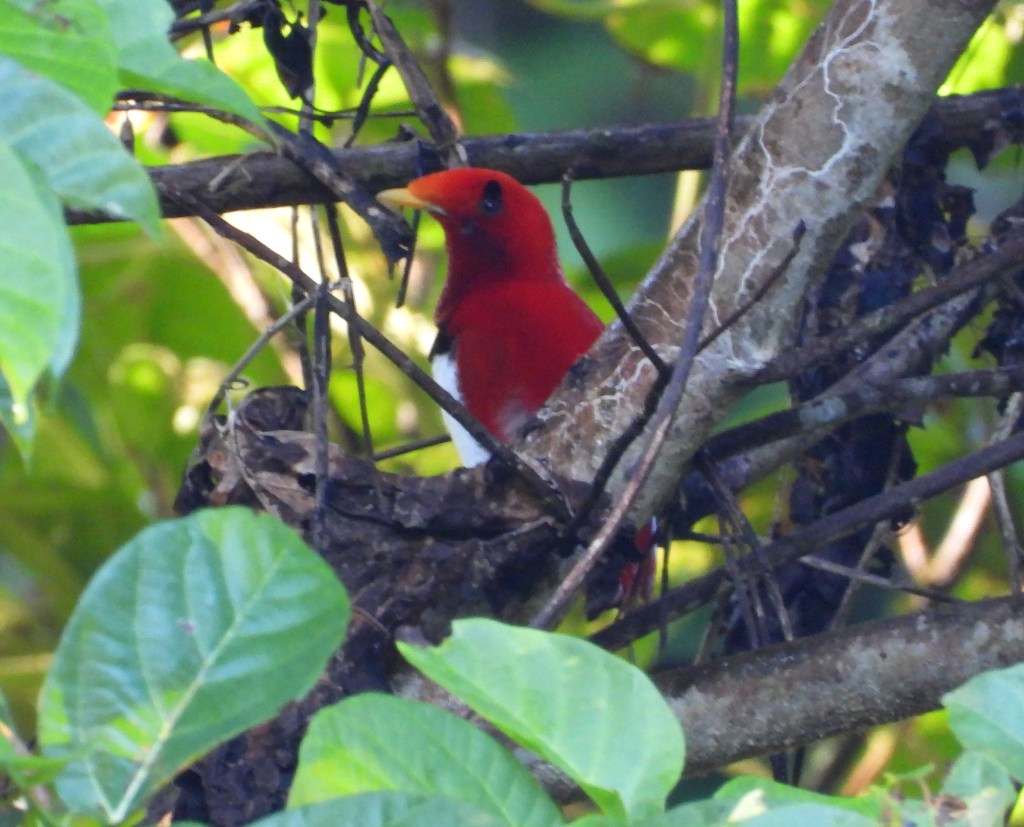
This spot was apparently a great place to see King Birds-of-Paradise and we did find the below male.
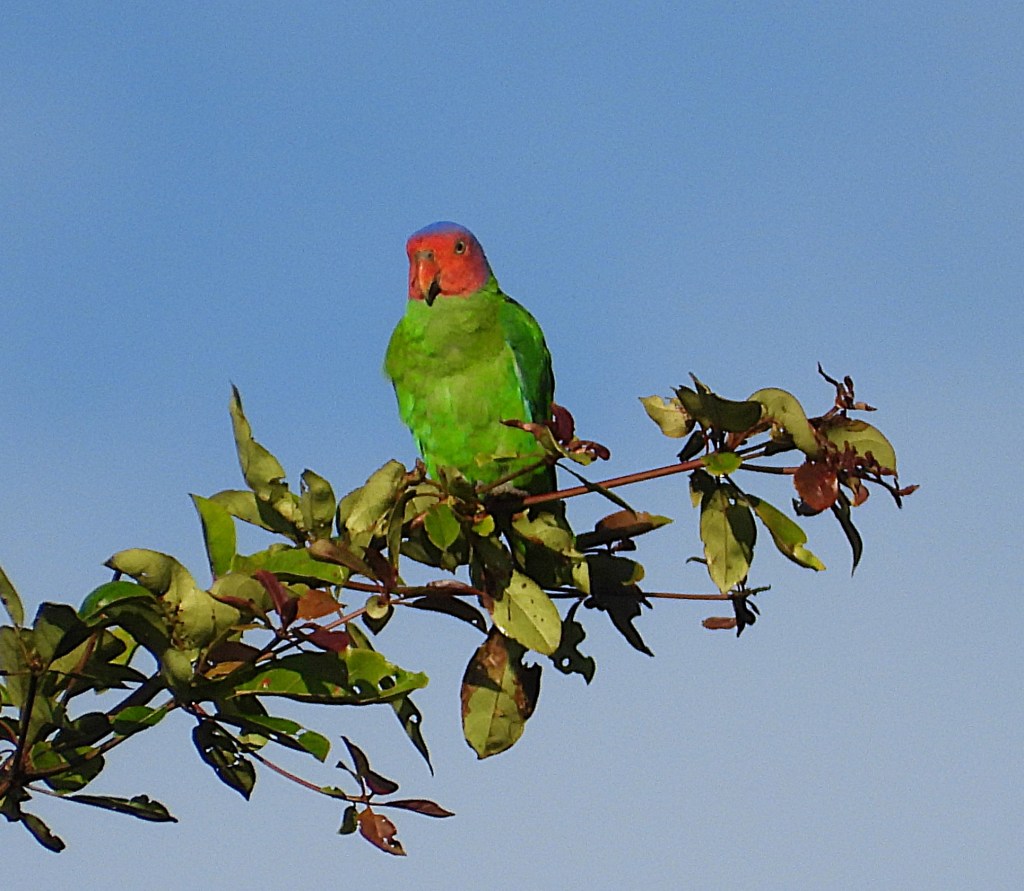
The area turned out to be a good one for parrots too. We spotted a pair of Double-eyed Fig Parrots just outside of a nesting hole and a Red-cheeked Parrot perching out in the open.


A Long-tailed Honey Buzzard also slowly flew over the area.

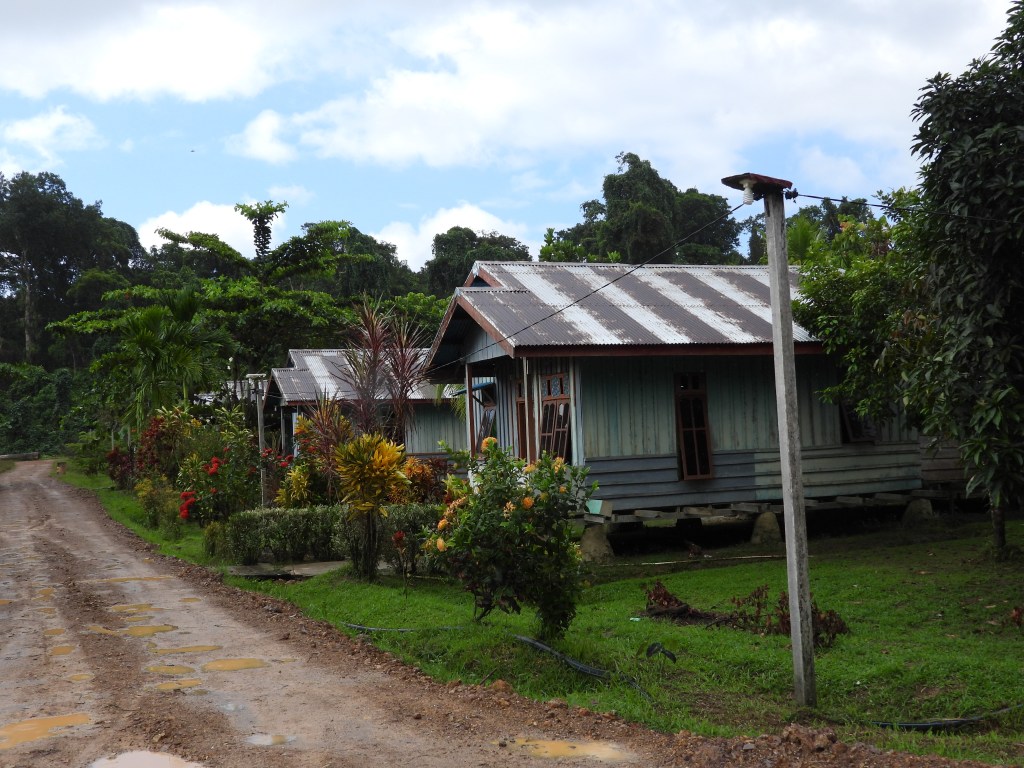
Later, we headed to a village called Malayuaw. We were greeted there by four cassowary chicks. They were quite tame and we were told that they were confiscated from poachers at an airport and given to the village. That could very well be the case, but some New Guinea societies will raise cassowary chicks as semi-tame livestock.
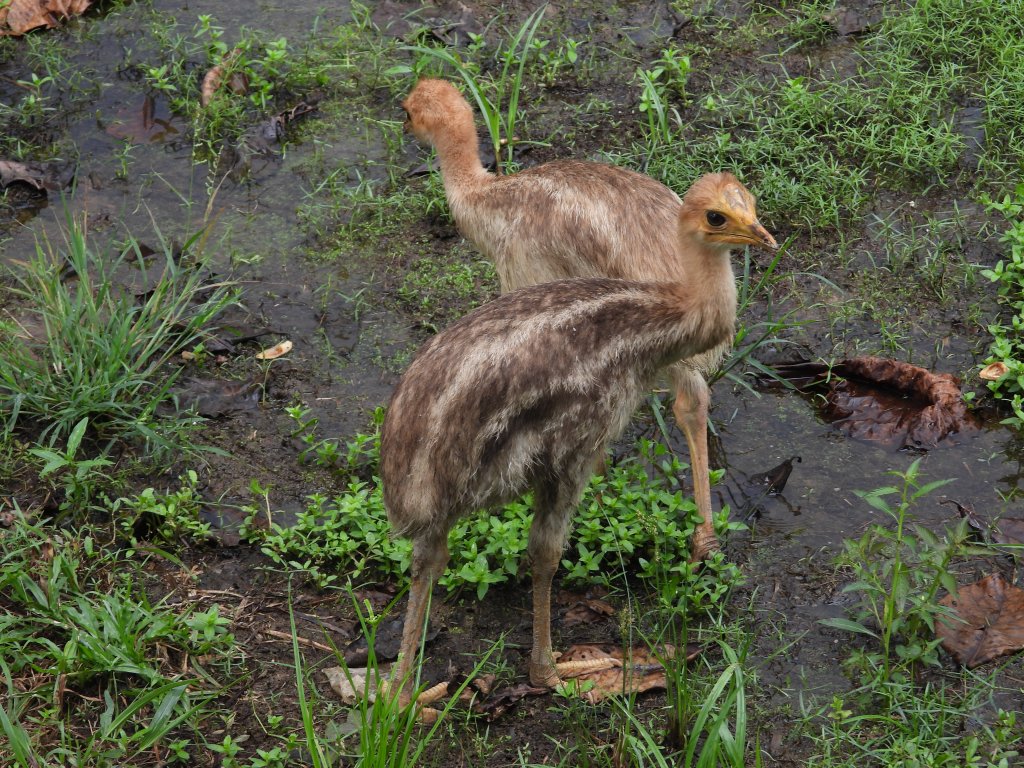
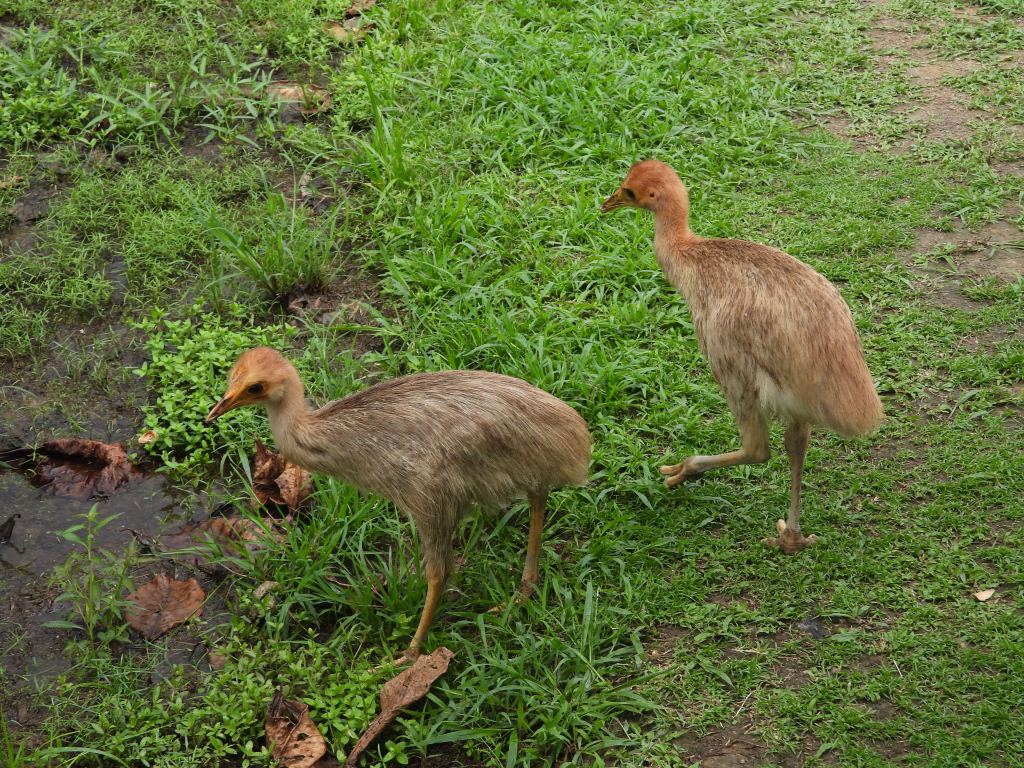
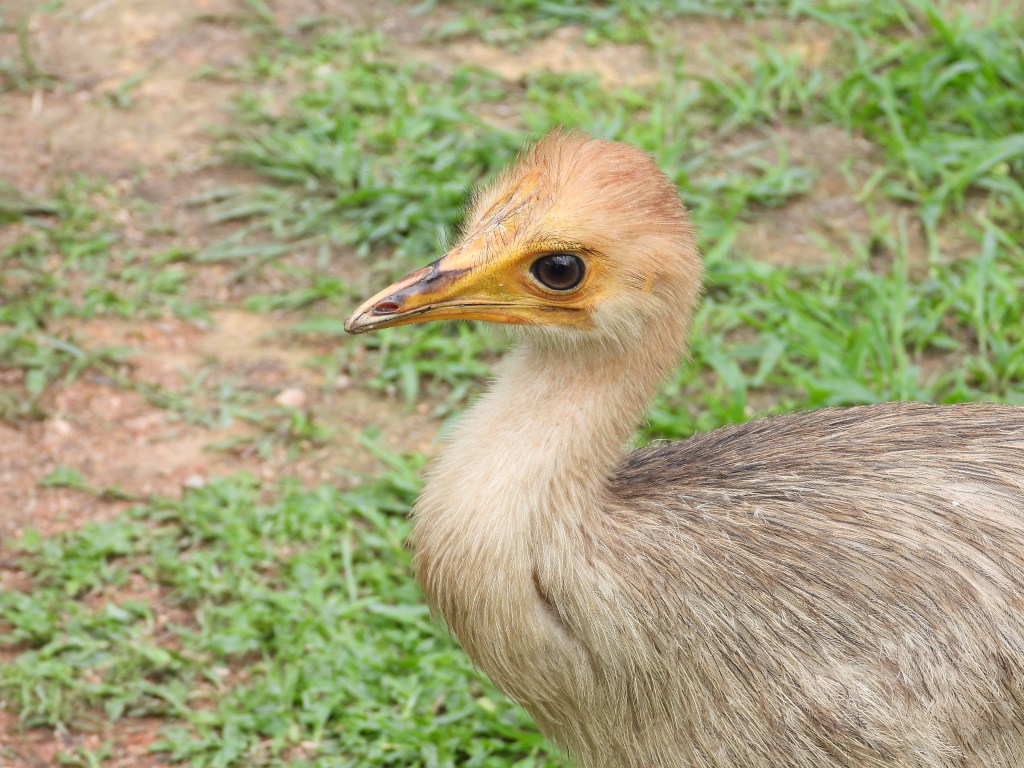
Cassowaries do occur in the wild in New Guinea but they can be very difficult to find as they are shy.
We found a variety of birds in this area, including another King Bird-of-Paradise. We got a great view of it, even though it was quite high up in the trees.

One of the target birds was the Red-breasted Paradise Kingfisher, which we did manage to find in the thick forest (it wasn’t easy):

Next up will be the island of Waigeo, which was my favorite part of the trip as we had absolutely spectacular view of two of the most beautiful of the birds of paradise!
 Peace Country Naturalist