Waigeo is a largely unspoiled island that is just north of the northwestern tip of New Guinea. It’s the largest island of the Raja Ampat archipelago, and is the only island in the group with any roads at all. It also has a small town and some small homestays / beach resorts. These resorts aren’t like the massive ones found in the Caribbean or Mexico – they are smaller, more peaceful places where people can enjoy nature. One can dive or snorkel (many places offer dive trips) or, of course, go birding.
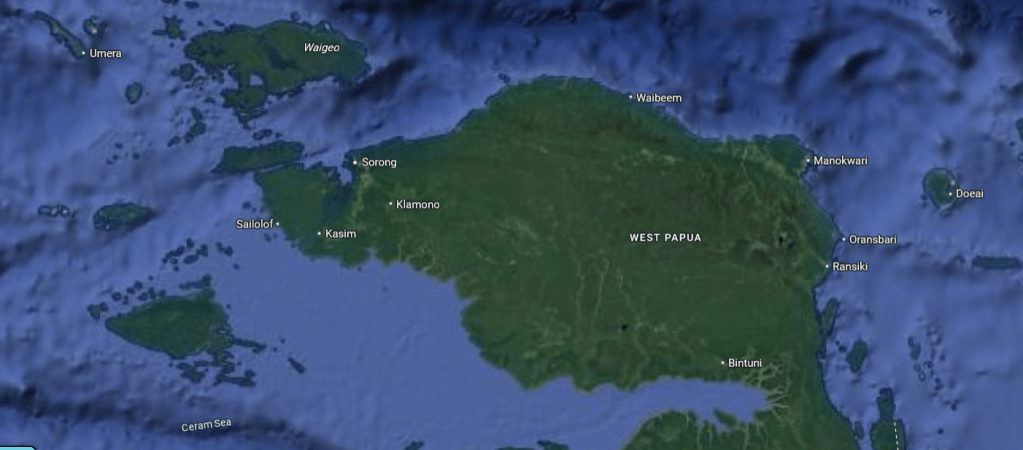
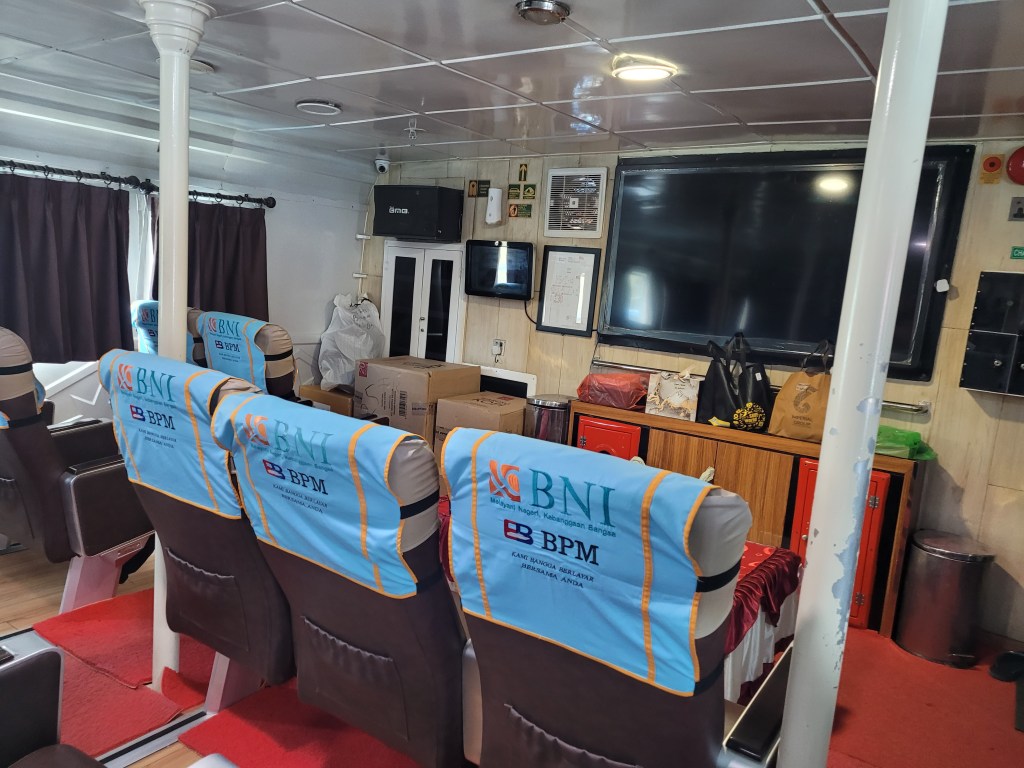
To get to Waigeo, we took the ferry from Sorong. It’s a nice ferry, although there’s only a very small area where people can sit outdoors and it can be crowded with smokers. I decided to stay inside.
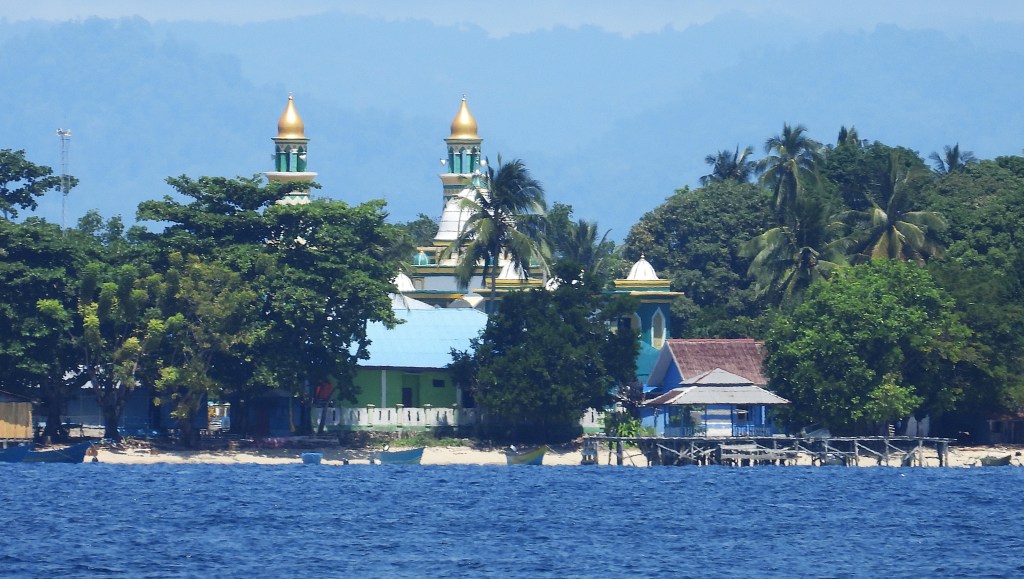


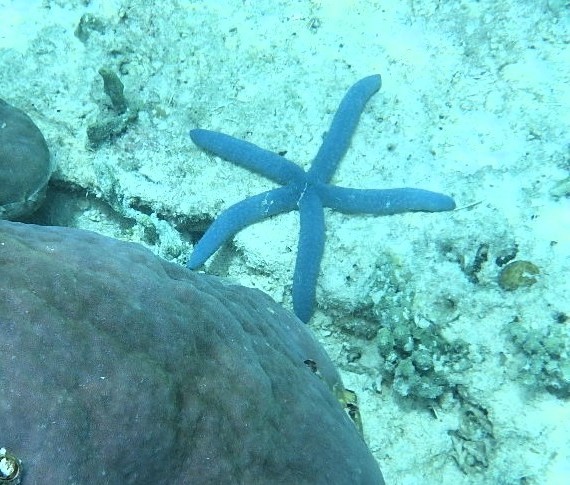
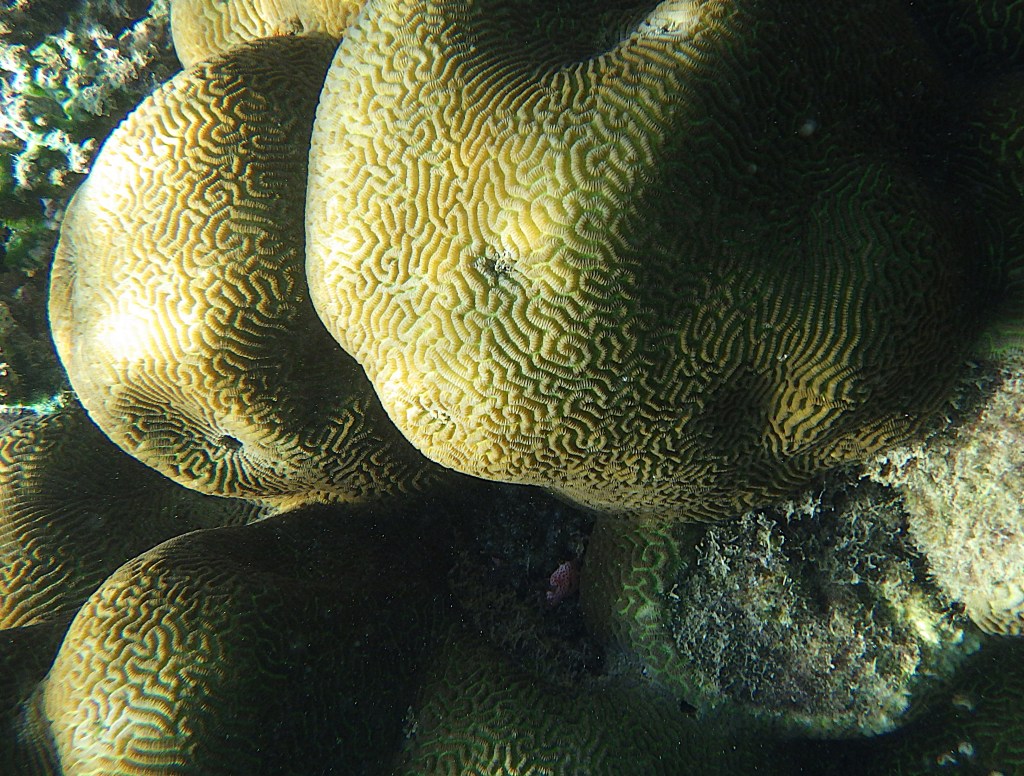
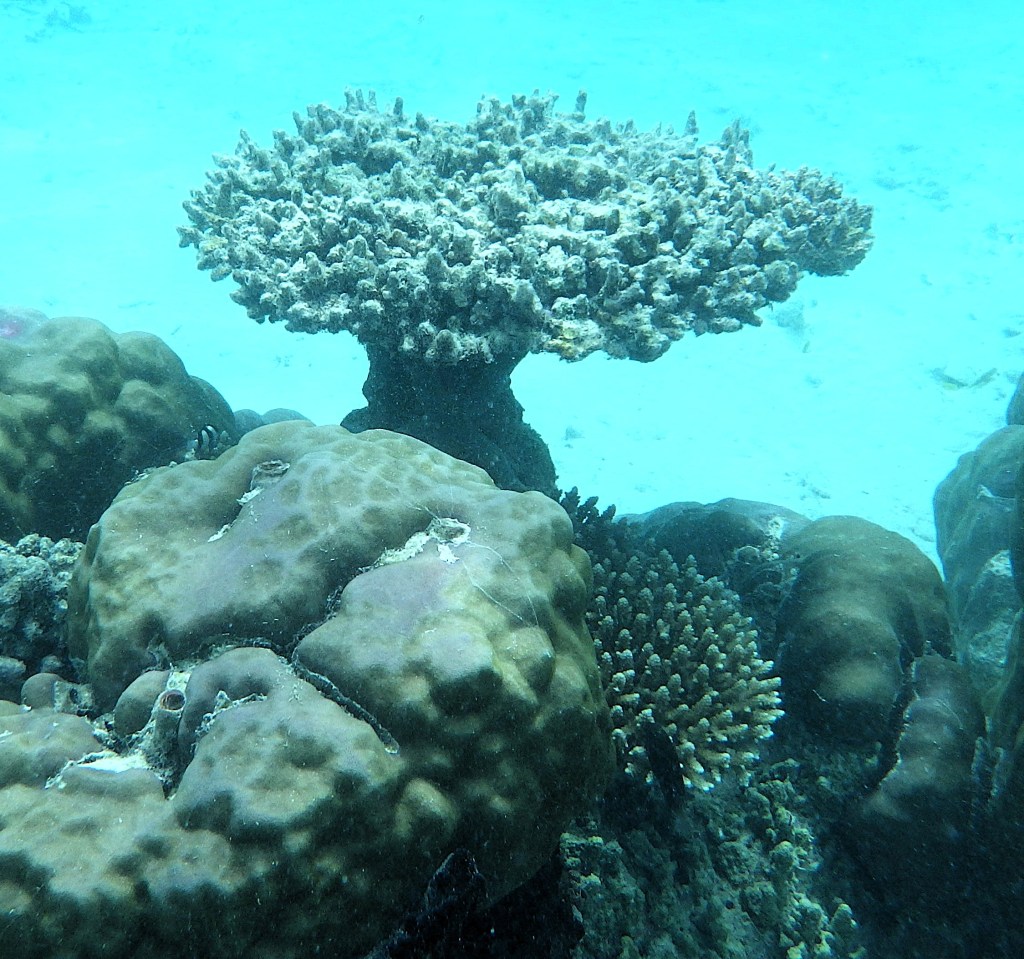
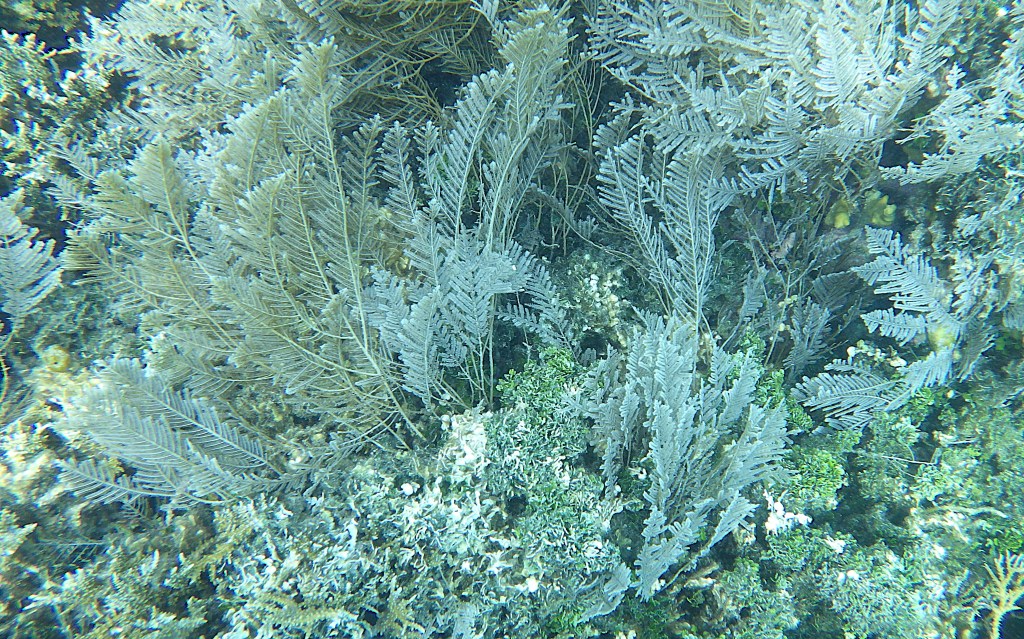
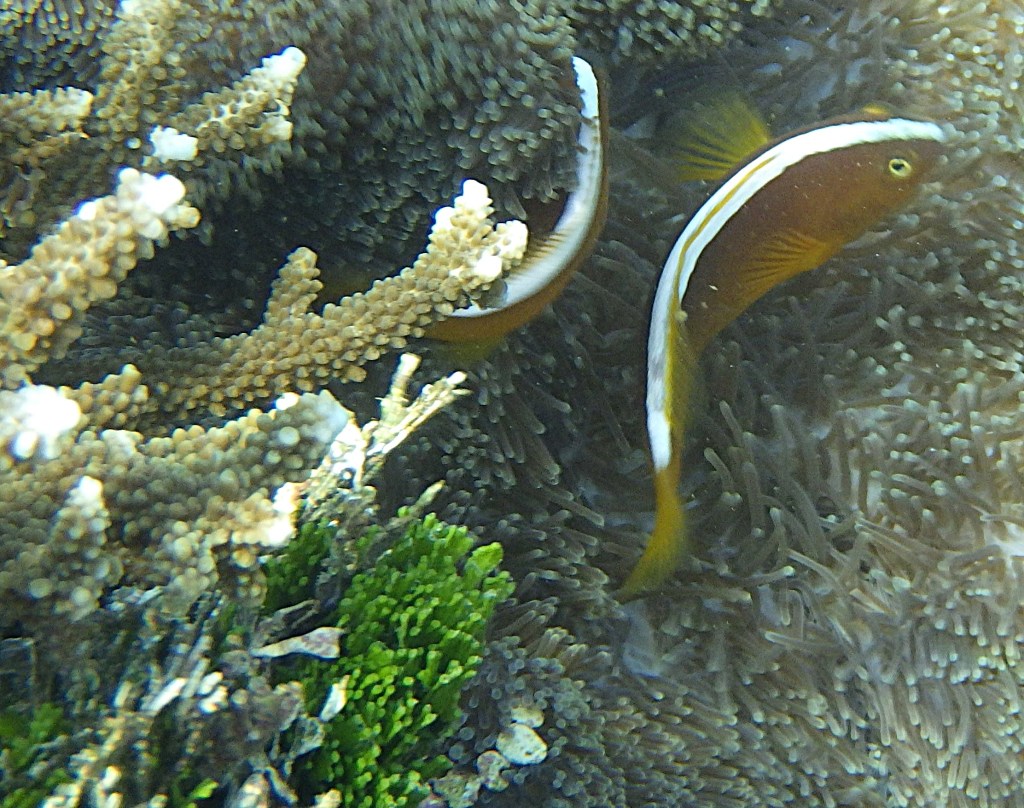
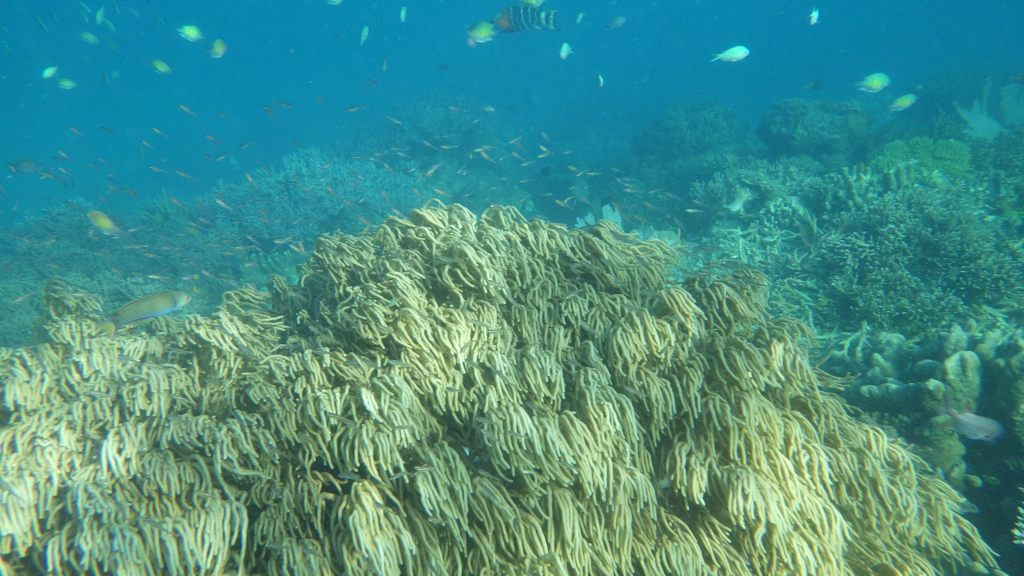
We stayed at a place called the Waiwo Dive Resort. It offers dive excursions but one can also snorkel right off the beach there and explore the coral reef, which is what I decided to do. They had lifejackets to rent and I used one because it’s very relaxing to just float and enjoy the gorgeous coral reef. The biodiversity associated with a coral reef can be incredible – the reefs themselves are made by colonies of small animals (coral polyps), and among the reefs, one can usually find a dizzying array of brilliantly-colored reef fish, along with a diverse collection of invertebrates, like starfish, sponges, and molluscs
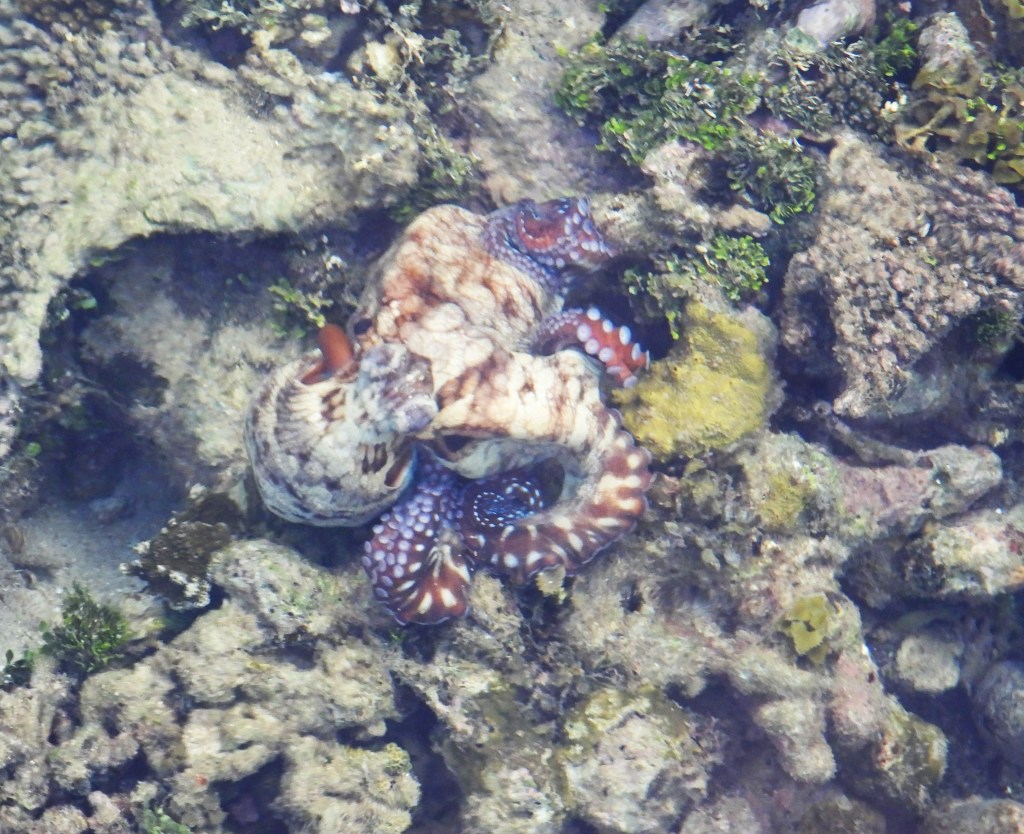
I brought my underwater camera to take pictures but I will admit that it was tricky to stay still in the choppy water, so many of my pictures are blurry. I still got some pictures that show the beauty and diversity of the reef.

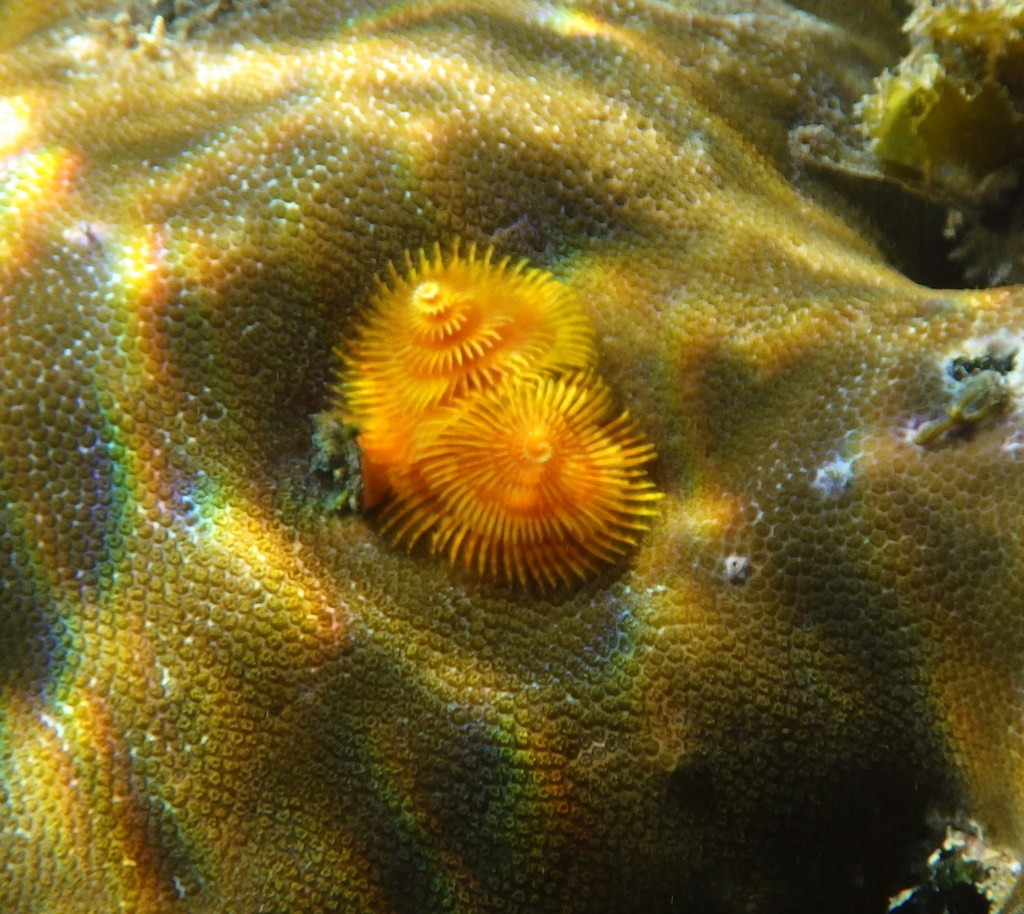

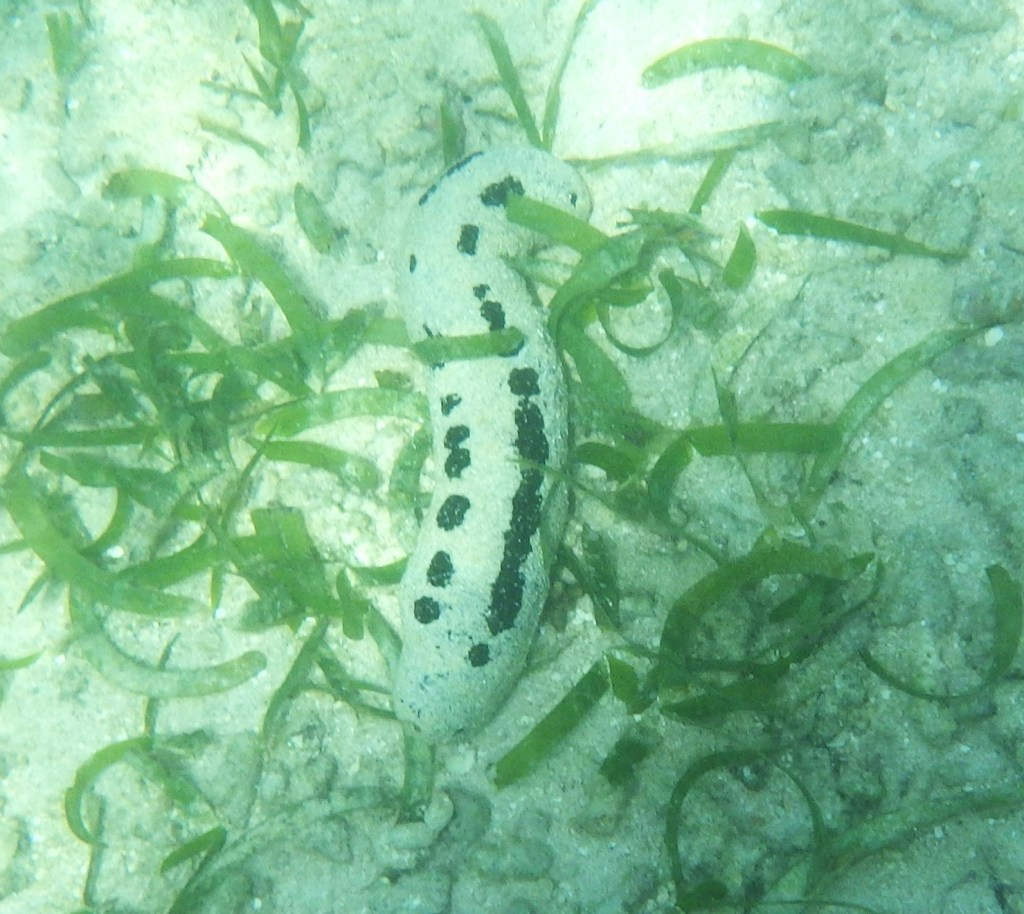
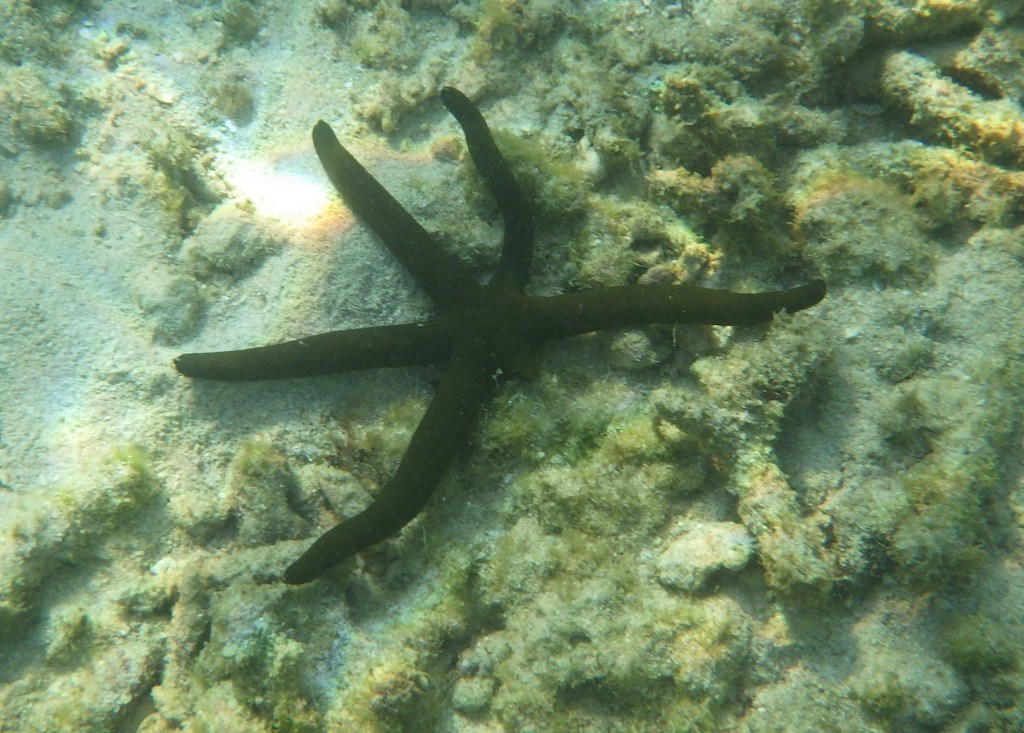
Here’s a gallery of Echinoderms:
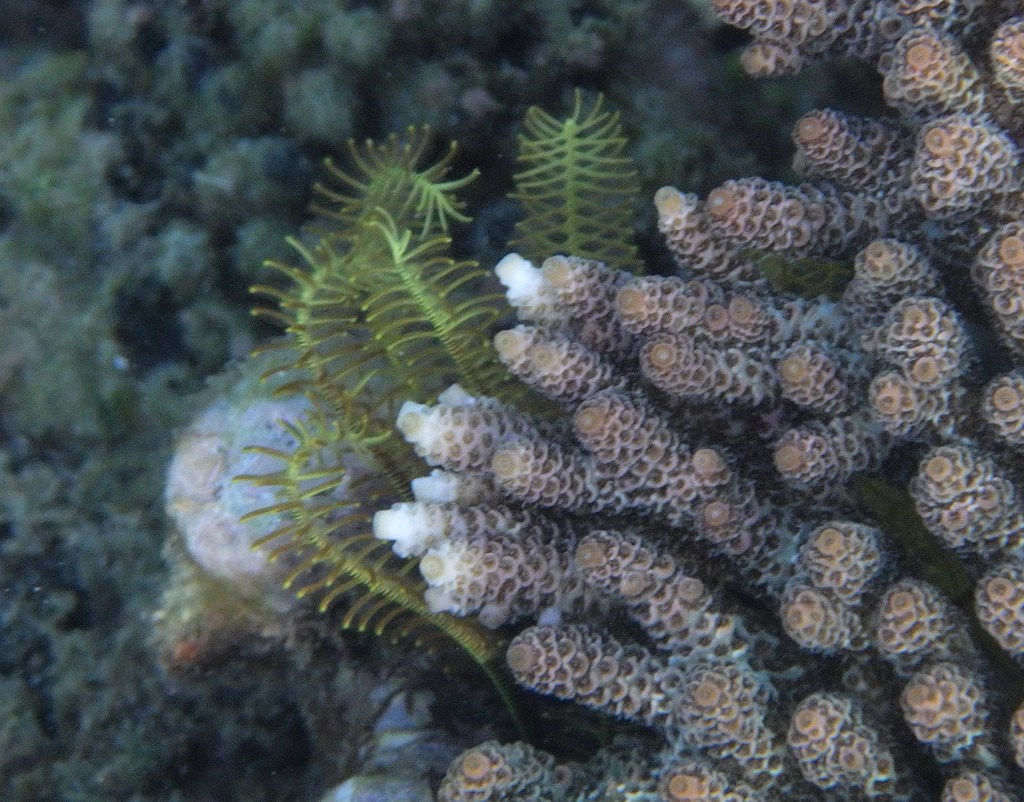
And corals:



Fish:

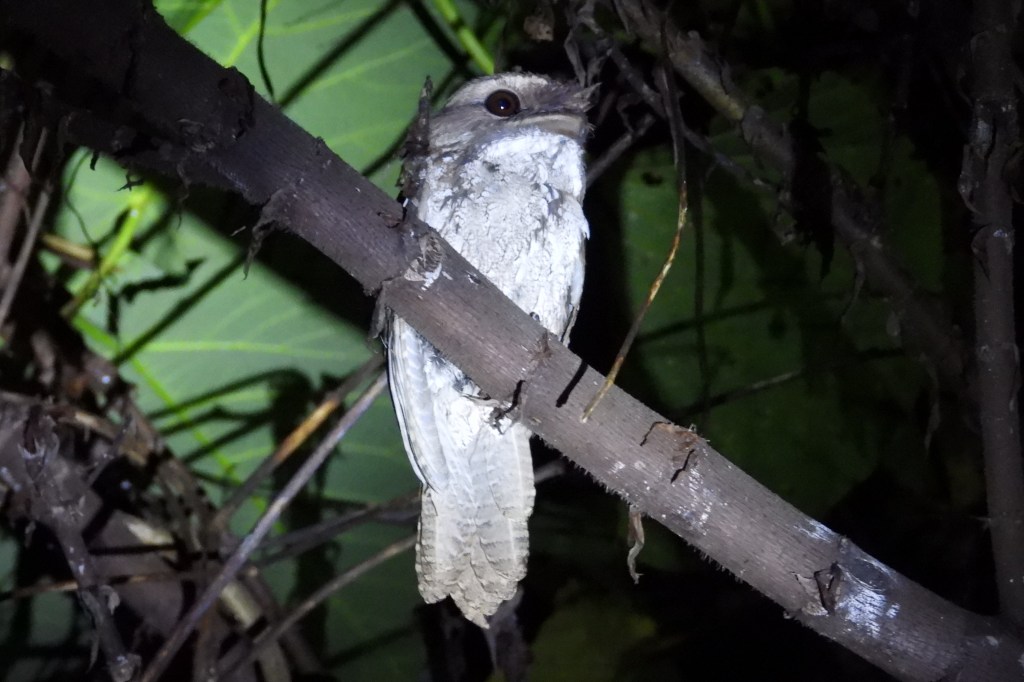
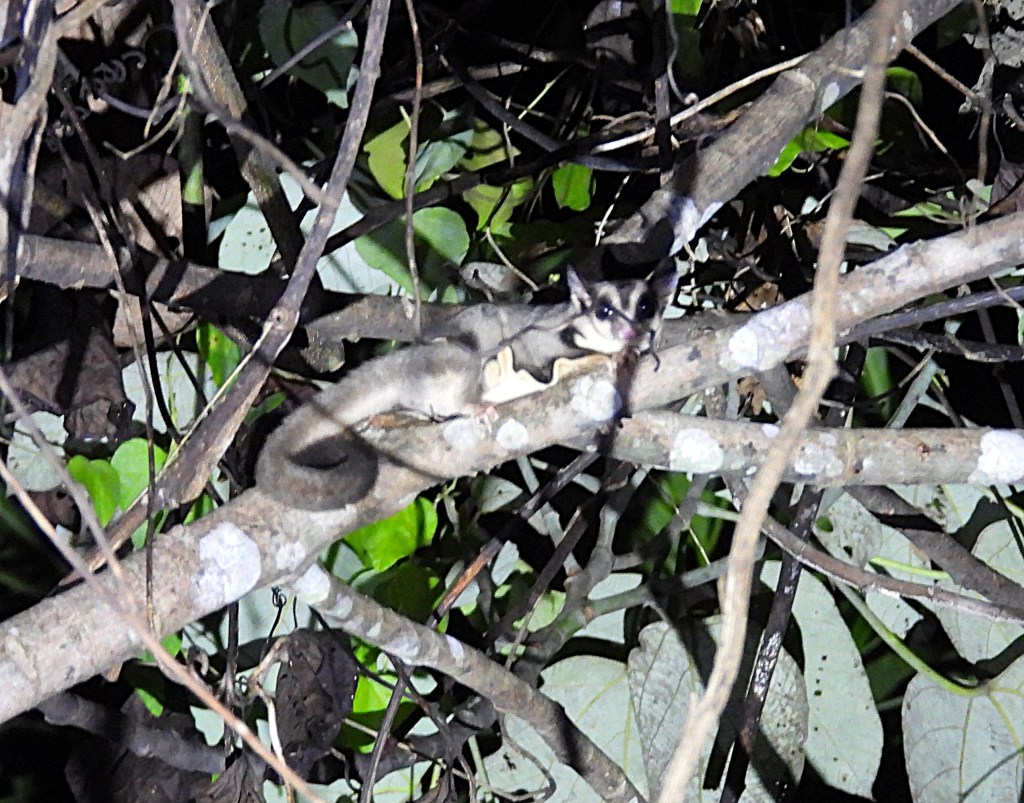
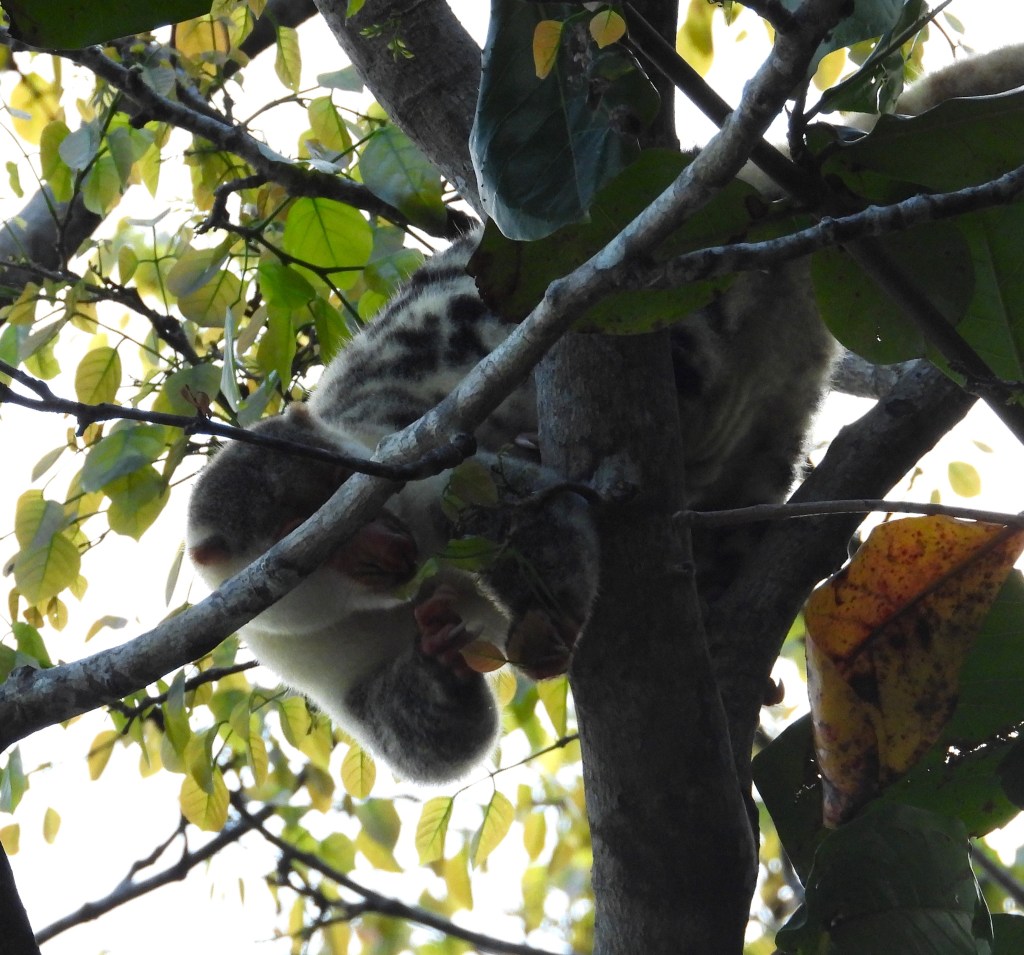
Now for the birds! The first night on Waigeo, we tried some night birding, which went extremely well. We found the below Marbled Frogmouth and Papuan Boobook, along with a Sugar Glider.

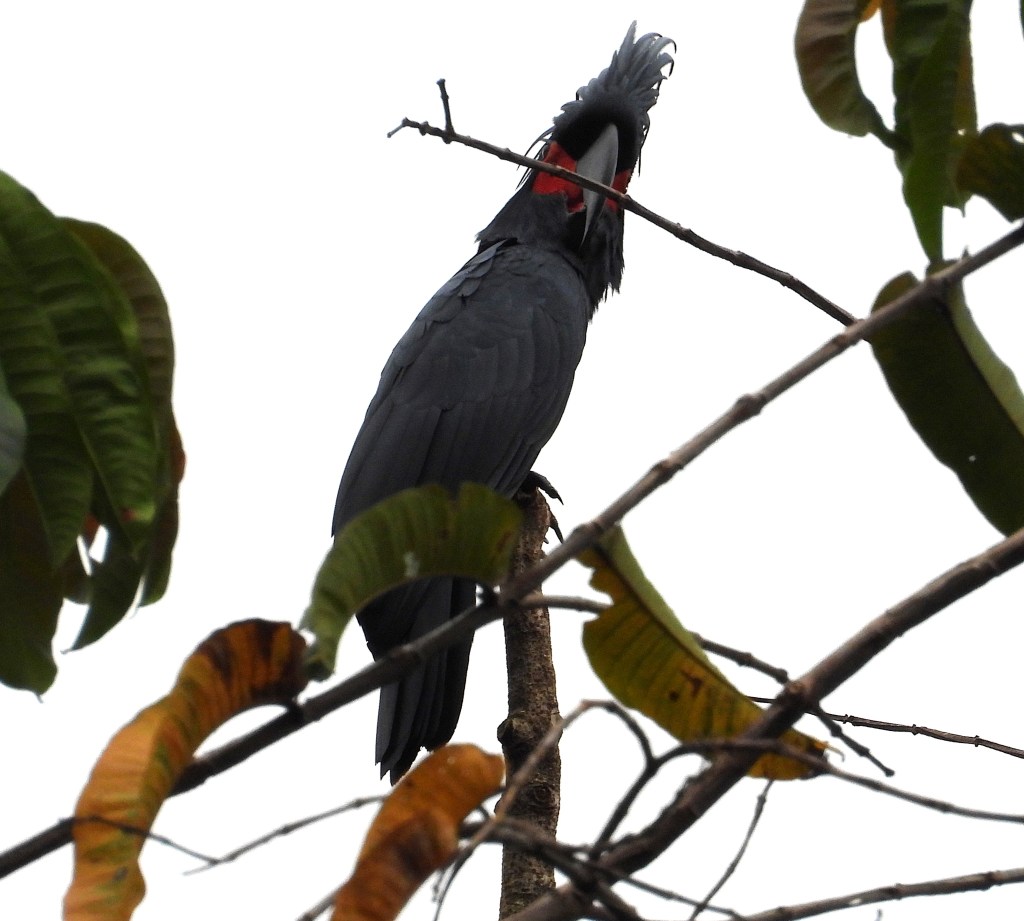
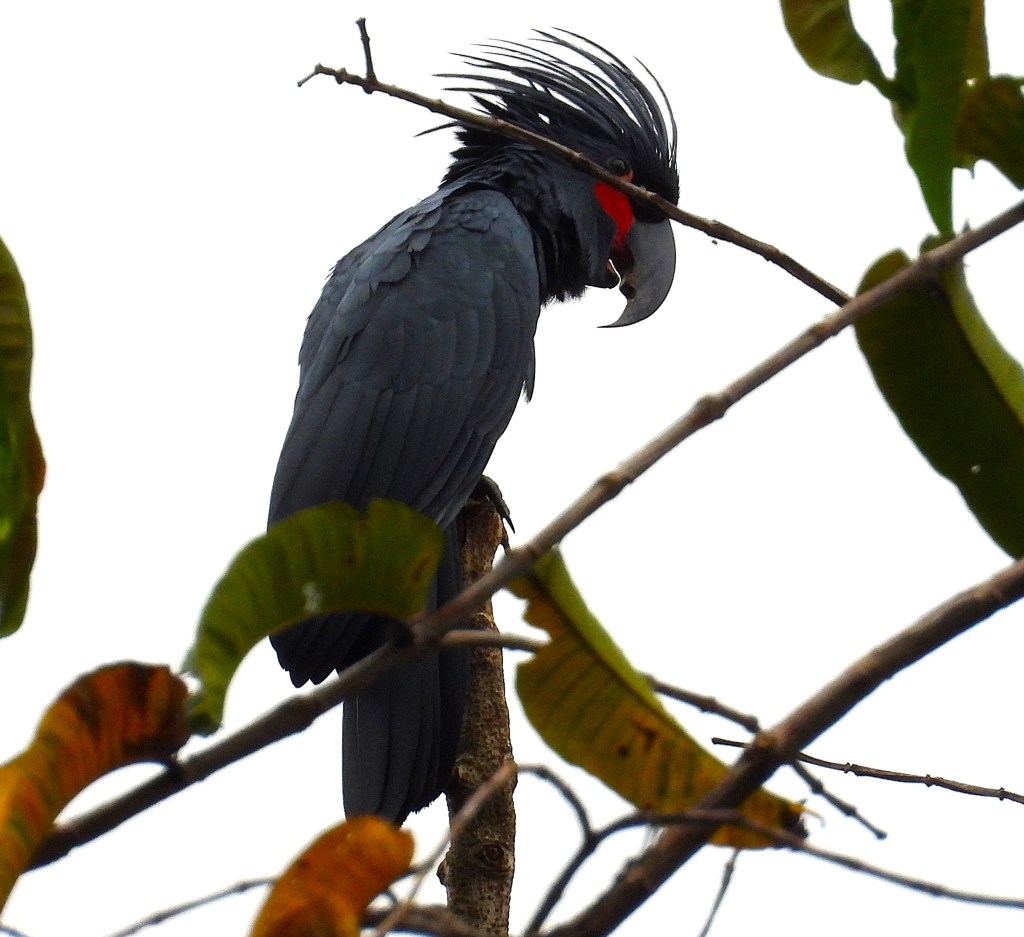
During the daytime, we found a good variety of spectacular birds. I was thrilled to see the below Black Palm Cockatoo in particular. I have seen these intelligent birds before in northern Australia, in the Iron Range National Park. They are the largest cockatoo species and have a very interesting courtship display. Males will take a stick in their foot and beat it against a large branch or tree stump. I wrote an article about my experiences viewing these birds on Cape York HERE.
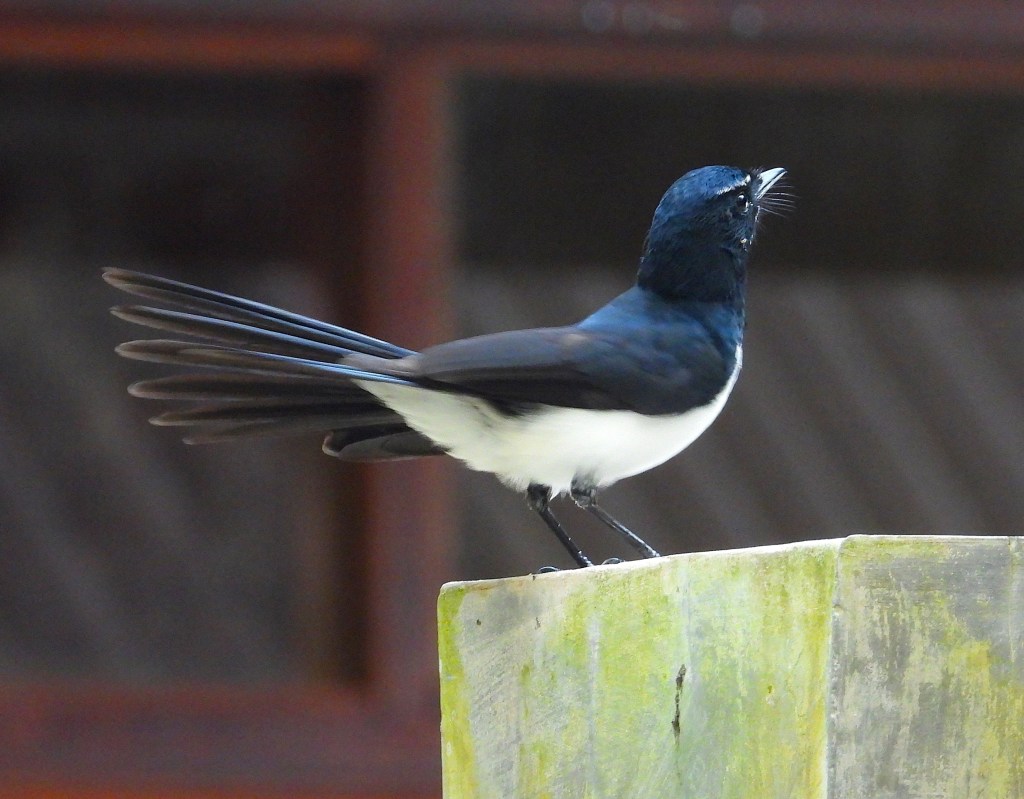
Willie Wagtails – another species that also occurs in Australia – were quite common around the island. It’s not hard to figure out how they got their names, as they do frequently wag their tails back and forth as they move about.
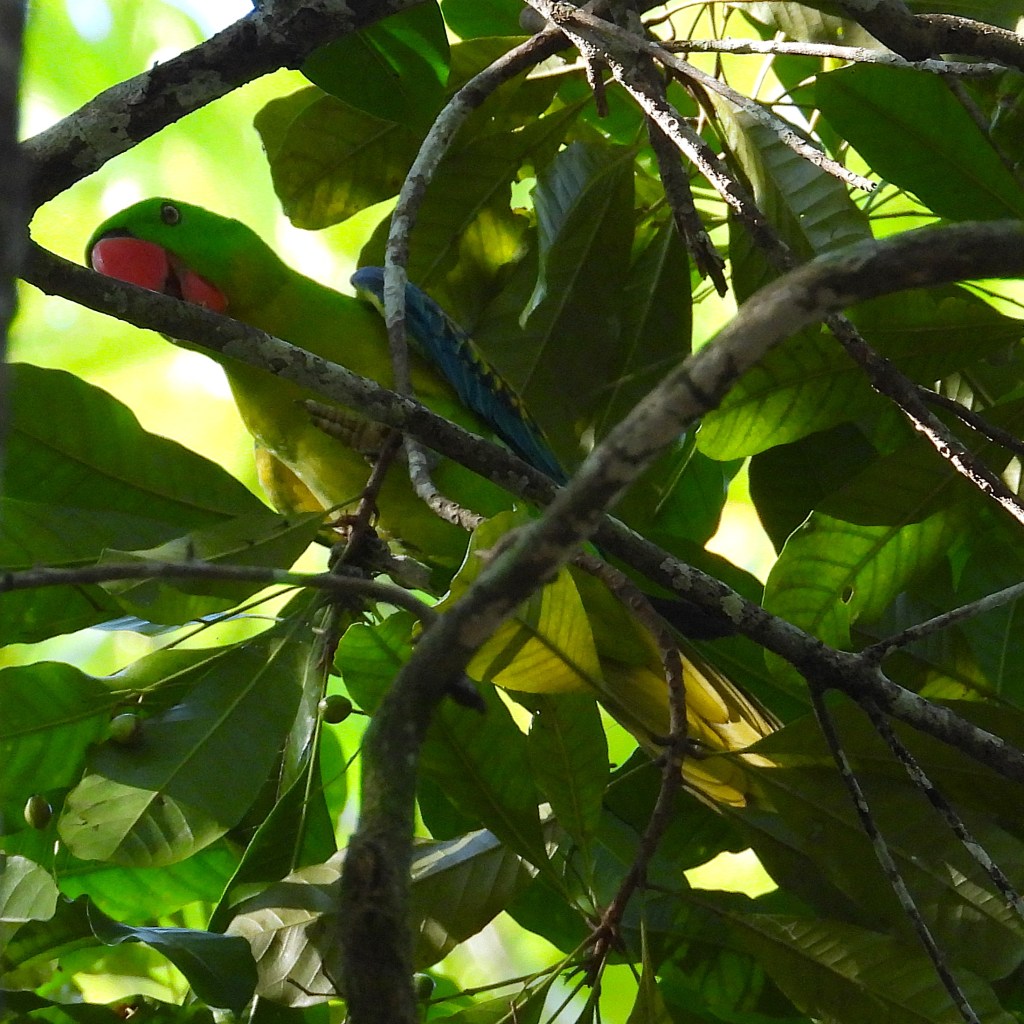
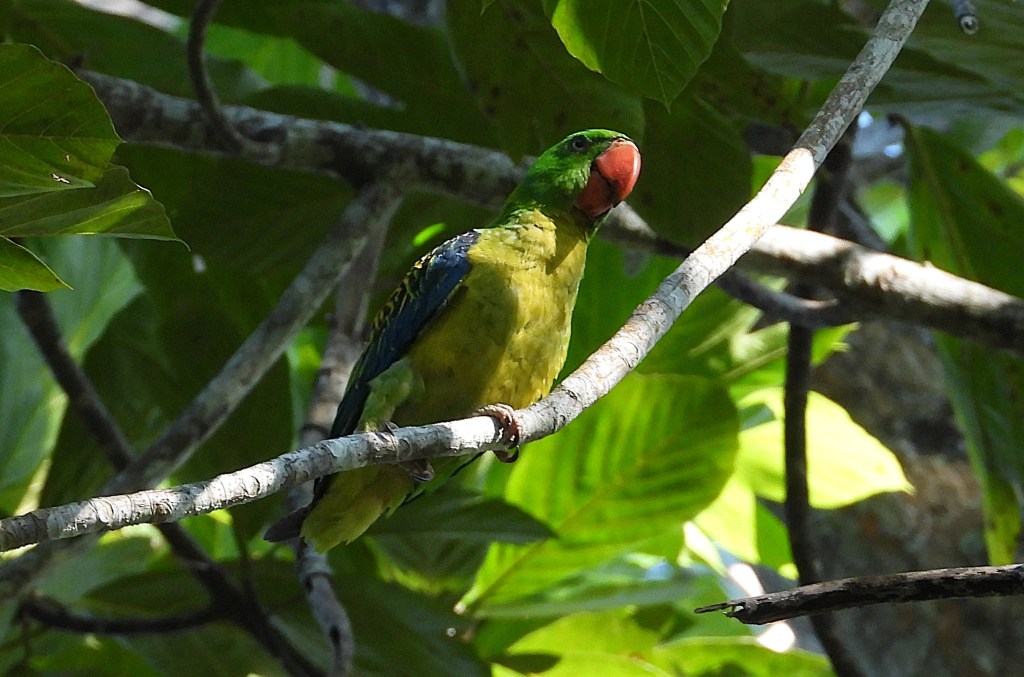
There were many birds right around the lodge, including the below Great-billed Parrot. I could hear this parrot calling, but it took me a while to find it, as it was quite high up in a leafy tree.
This cute spotted cuscus was also frequently spotted around the lodge:
Below are some of the other birds we saw:


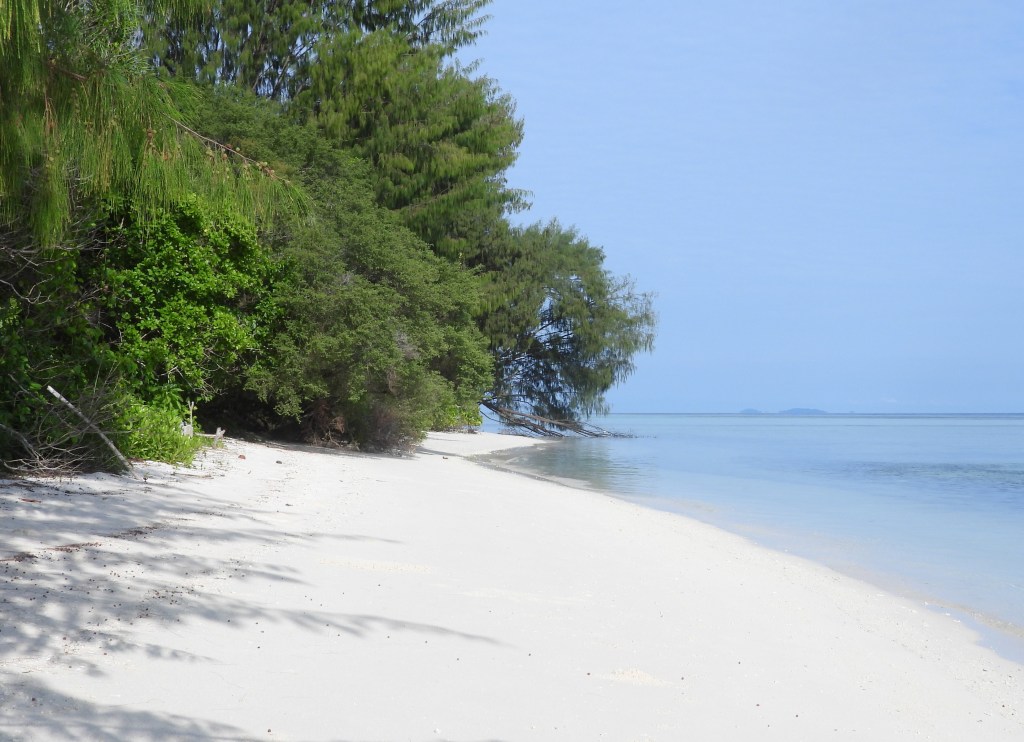
We also made a short side trip to nearby Merpati Island. It’s quite small, with only 2.8 km of coastline. It, like all the other islands in the area, really looks like the kind of place that could have a giant resort on it. I think their remote location thankfully protects these islands from those types of developments.
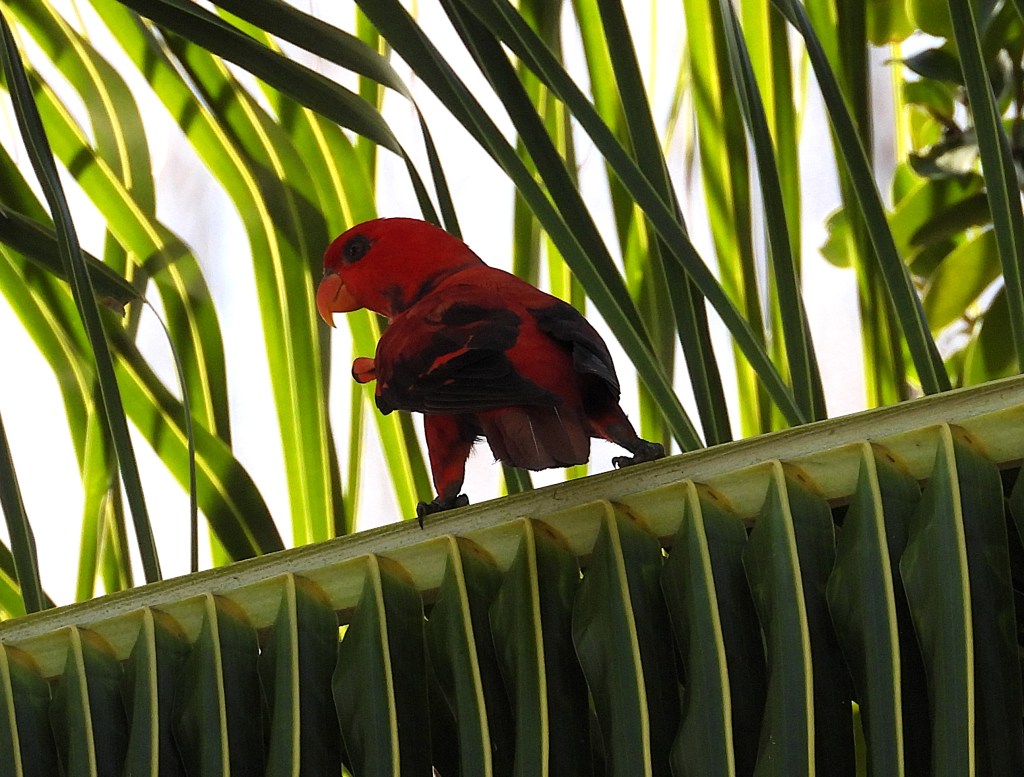
Merpati is surrounded by coral reefs and white sandy beaches so we did some snorkeling there. We also saw a variety of birds, and I managed to photograph the below Violet-naped Lory and Osprey close to the beach. There were also lesser frigatebirds visible from the beach.

One of the most spectacular natural spectacles we saw on the island occurred as we were looking for a kingfisher along the side of the road. We were having trouble finding the kingfisher, but as dusk started to settle in, large Papuan hornbills started flying in from all directions. First, they trickled in, and as it got darker, more and more of them starting arriving. It was an incredibly noisy spectacle, as the birds in the trees were all calling to the newly arriving ones. By dark, there were likely close to 1,000 hornbills in one cluster of trees.
I’d seen that type of behavior before with various parrot species in Brazil, Texas, and Australia. A large roost of parrots can be a chaotic and noisy spectacle. It was amazing to see hornbills gather in at their night roost, especially because no one was expecting this (at least I wasn’t).

The highlight of the visit had to be the birds-of-paradise we saw, but I will give them their own post!
 Peace Country Naturalist