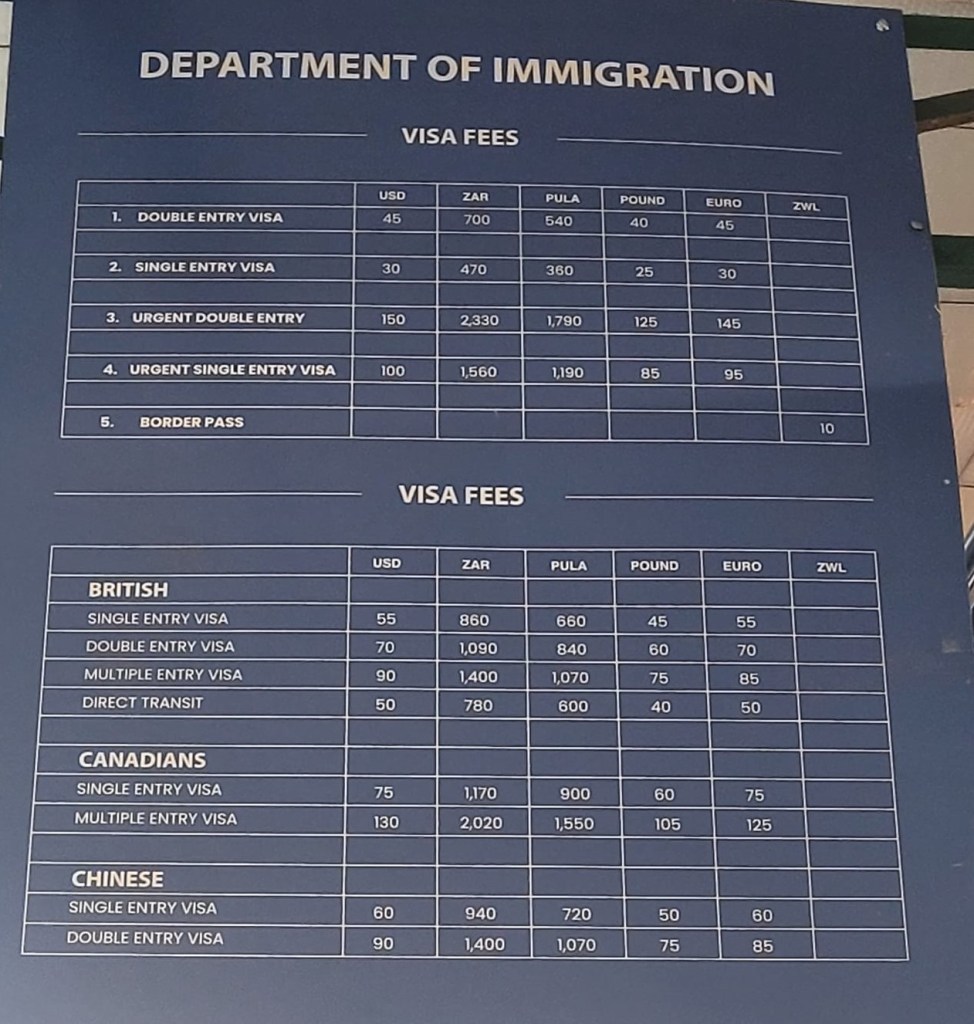
The second time I crossed over into Botswana was with a separate tour I took out of Victoria Falls. The birding tour ended in Victoria Falls, but I decided to stay there for an extra couple of days. For one of the days, I went on a tour of Chobe National Park. I booked it through Viator.com and wasn’t really sure what to expect, but the tour went very smoothly. It included a game drive, lunch at a lodge, and a boat ride. Getting through the border crossing into Botswana and back again into Zimbabwe wasn’t difficult, but for some reason, the visa fee for Zimbabwe is highest for Canadians. I remembered to bring enough US dollars this time. The first time going through this border, I didn’t have any US cash and they couldn’t accept cards. I was able to borrow some money and pay it back once in Victoria Falls. The bank machines there do dispense US cash, which seemed to be the preferred currency in Zimbabwe.
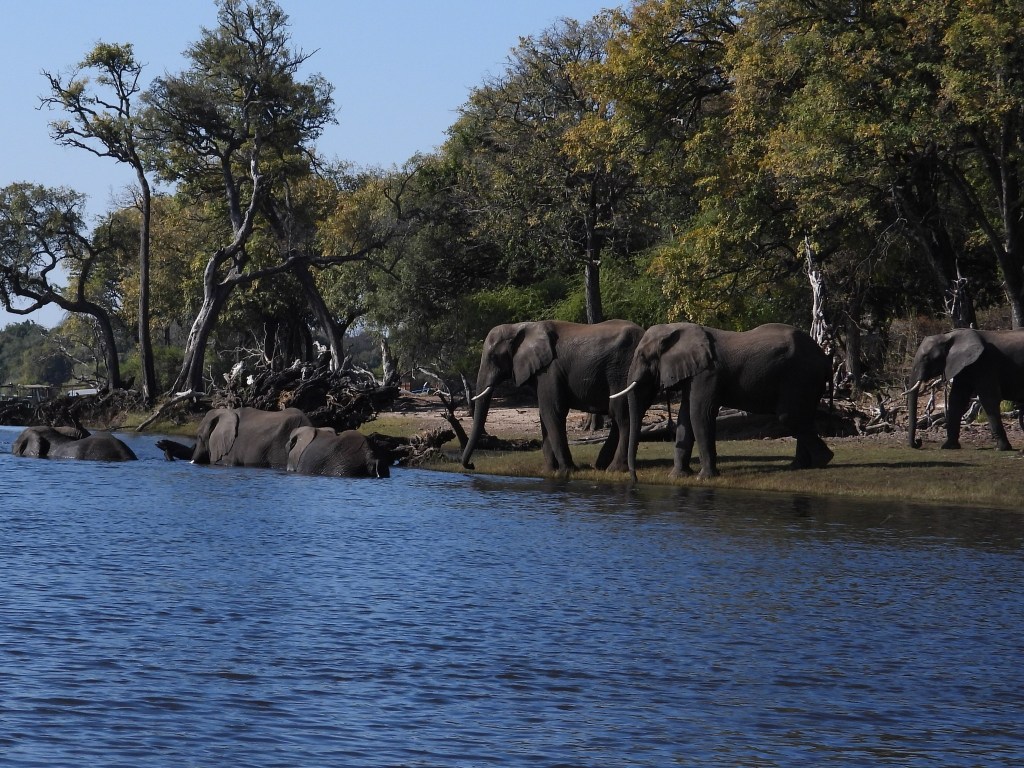
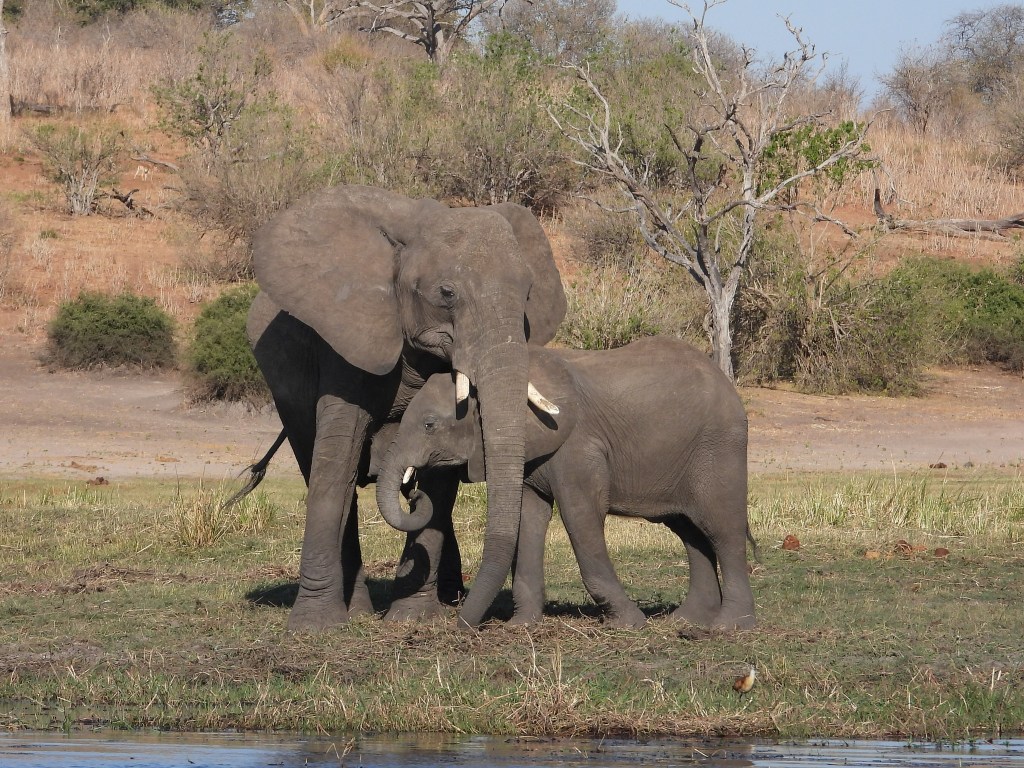
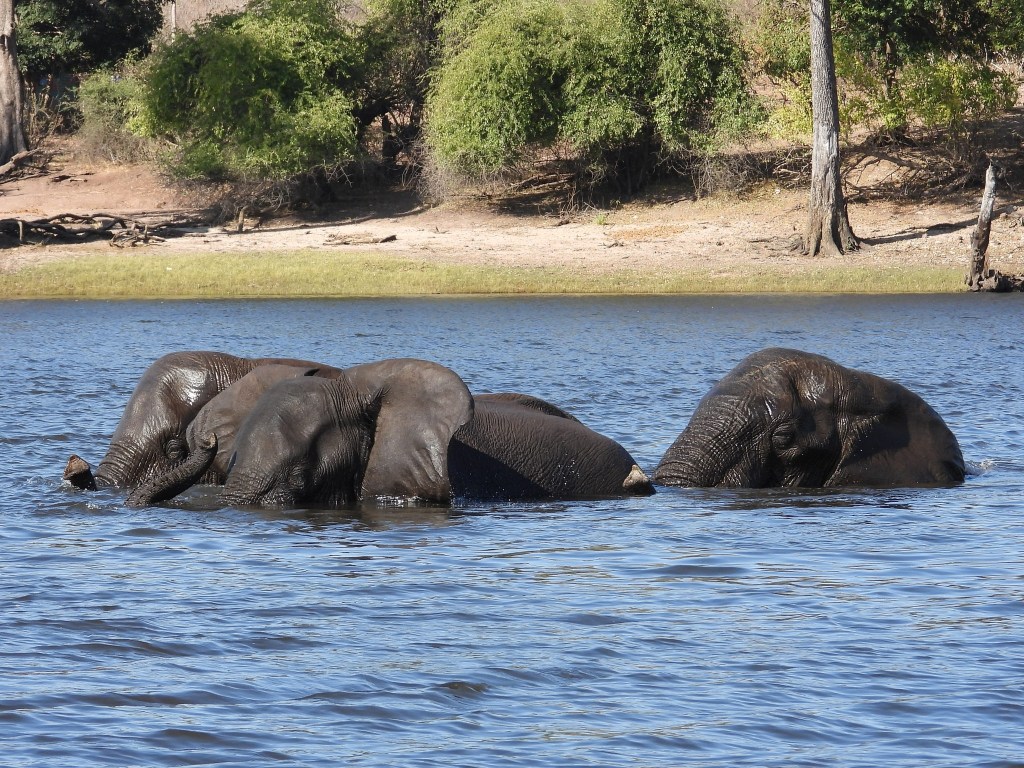
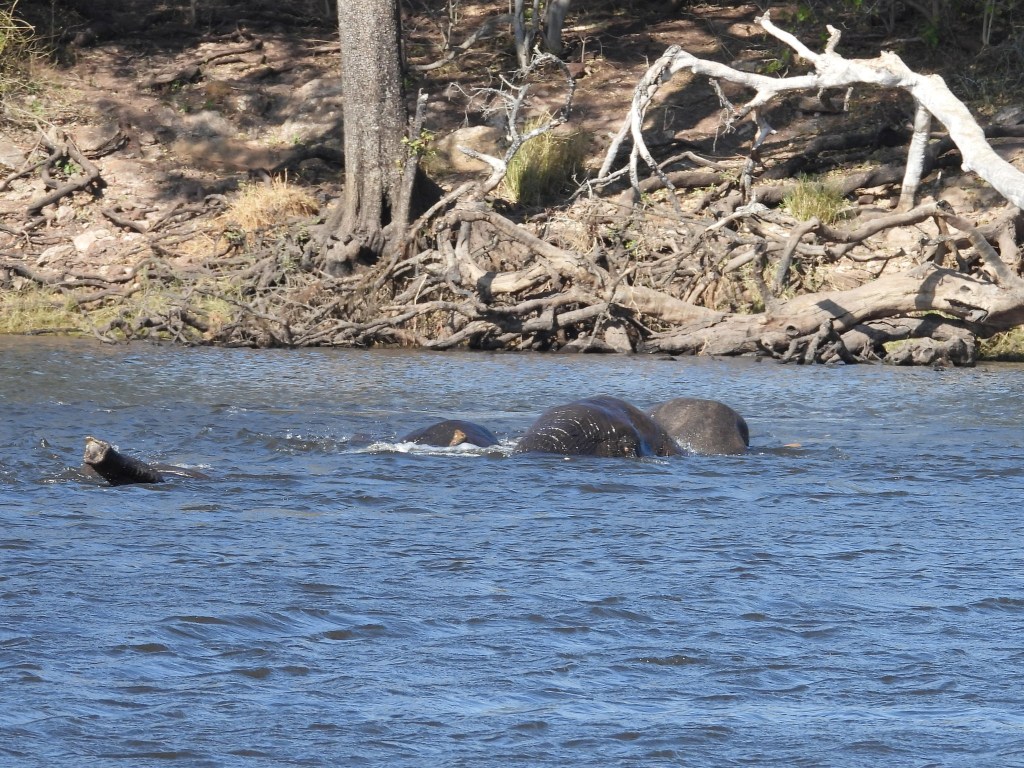
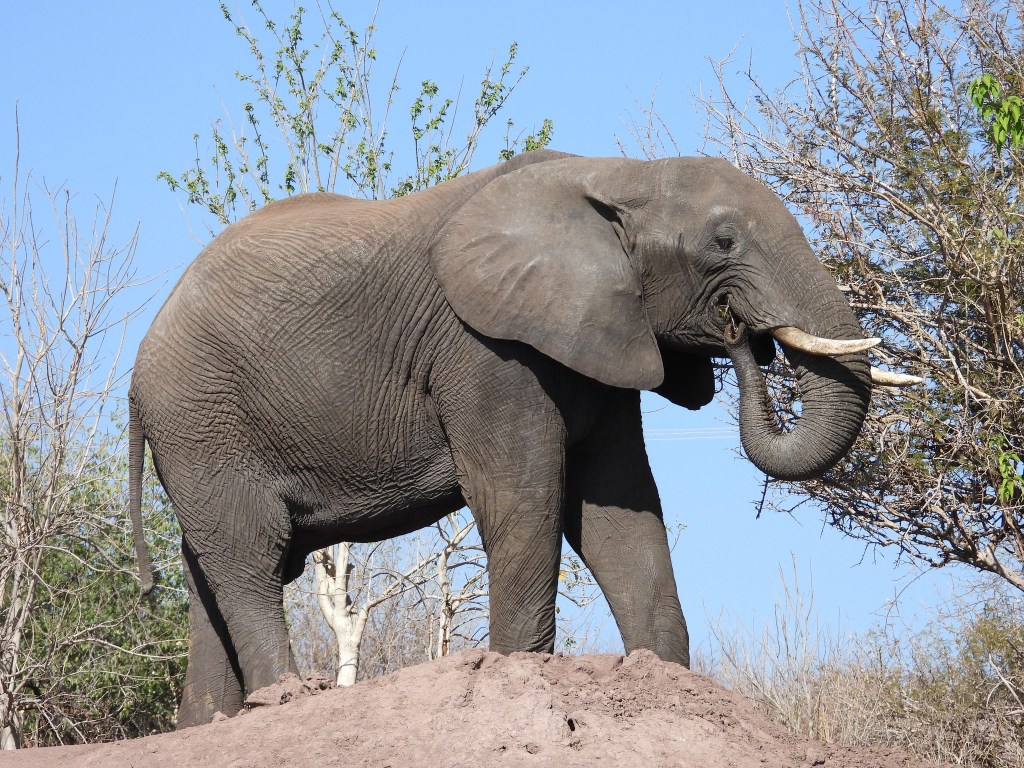
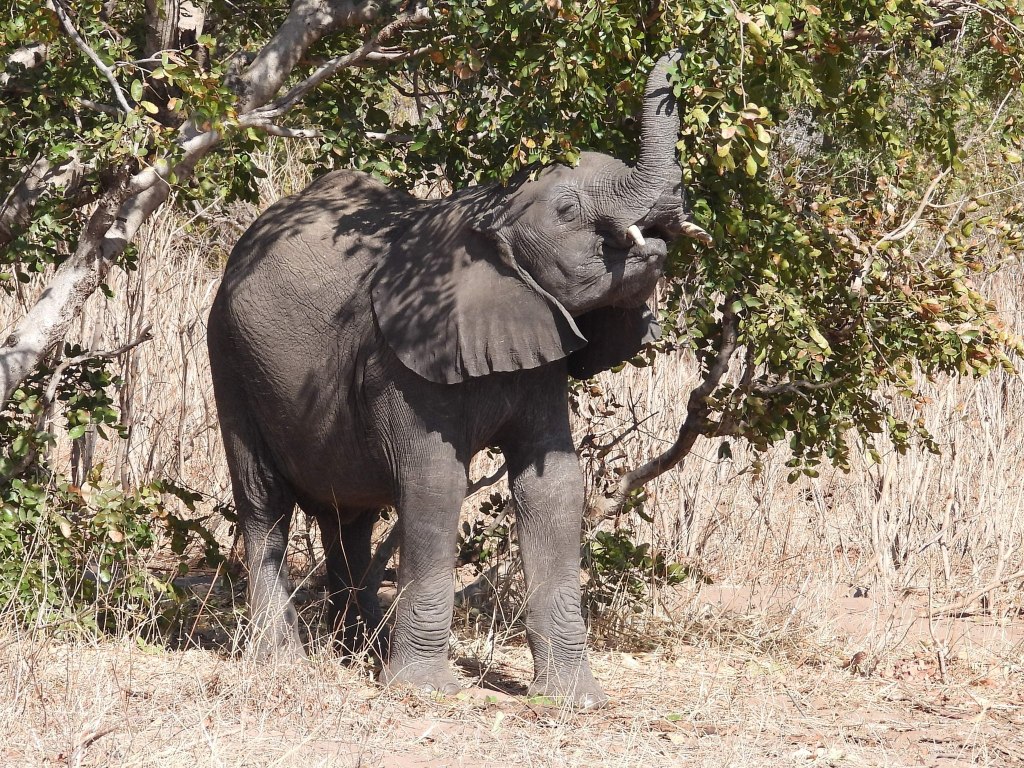
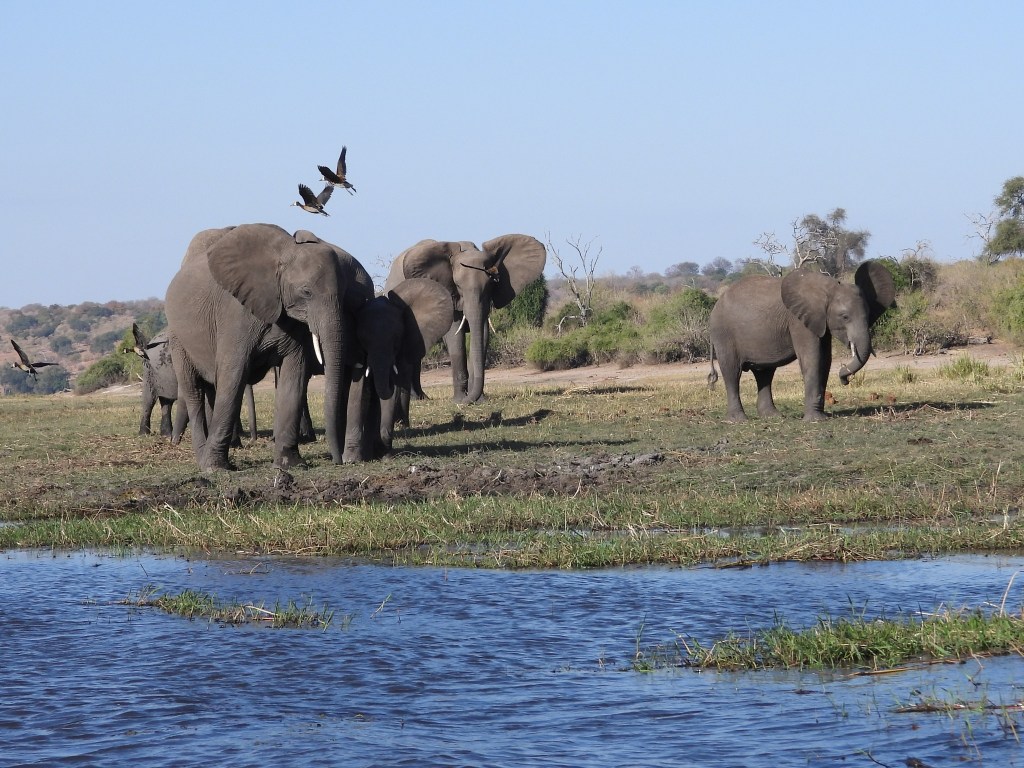
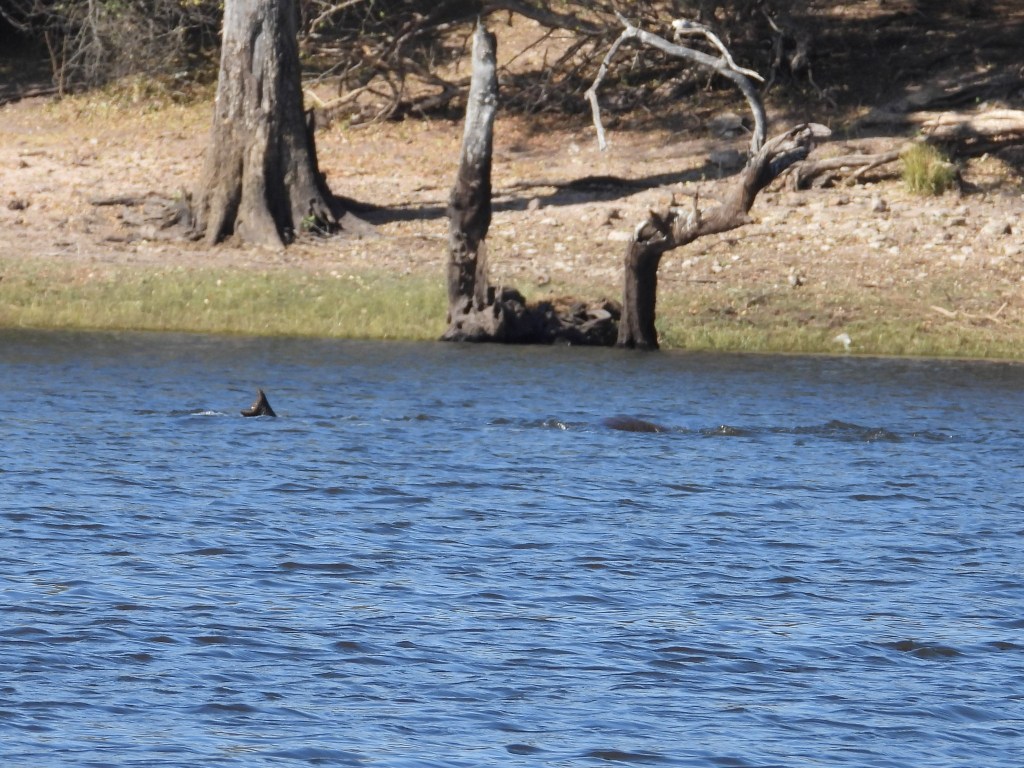
Chobe National Park has an incredibly high density of elephants. They were the major highlight of the boat ride because a large herd of them crossed the Chobe River right in front of the boat. Some of them ended up completely submerged, and I could only see the tips of their trunks sticking out of the water, which they were using as snorkels.



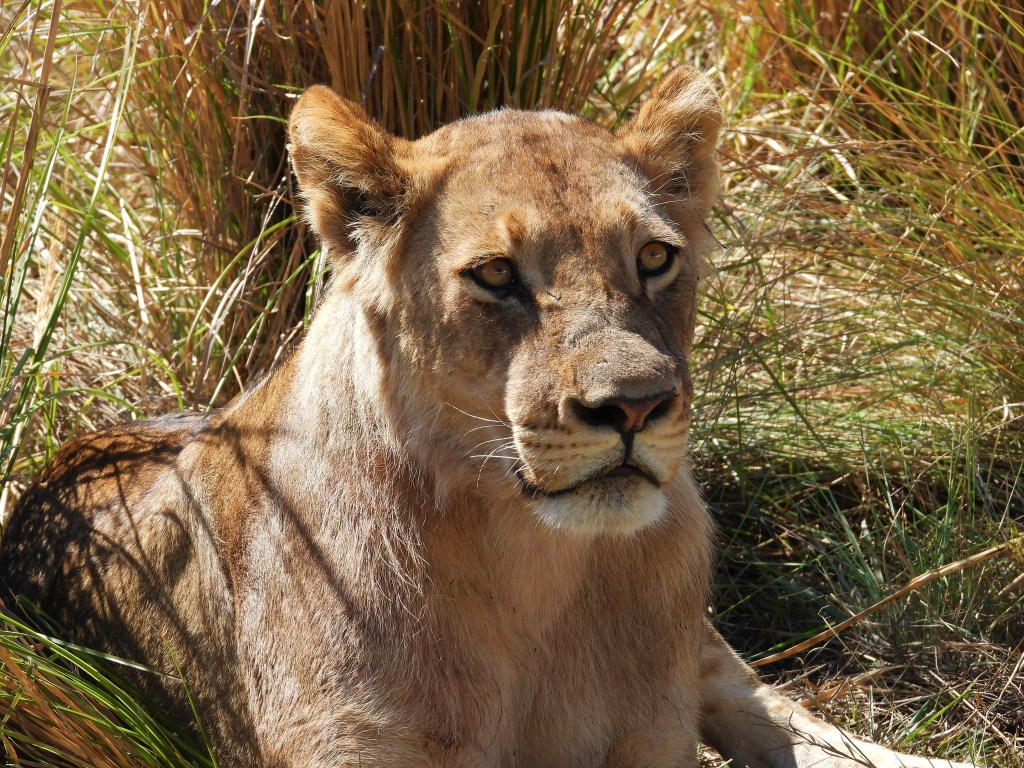
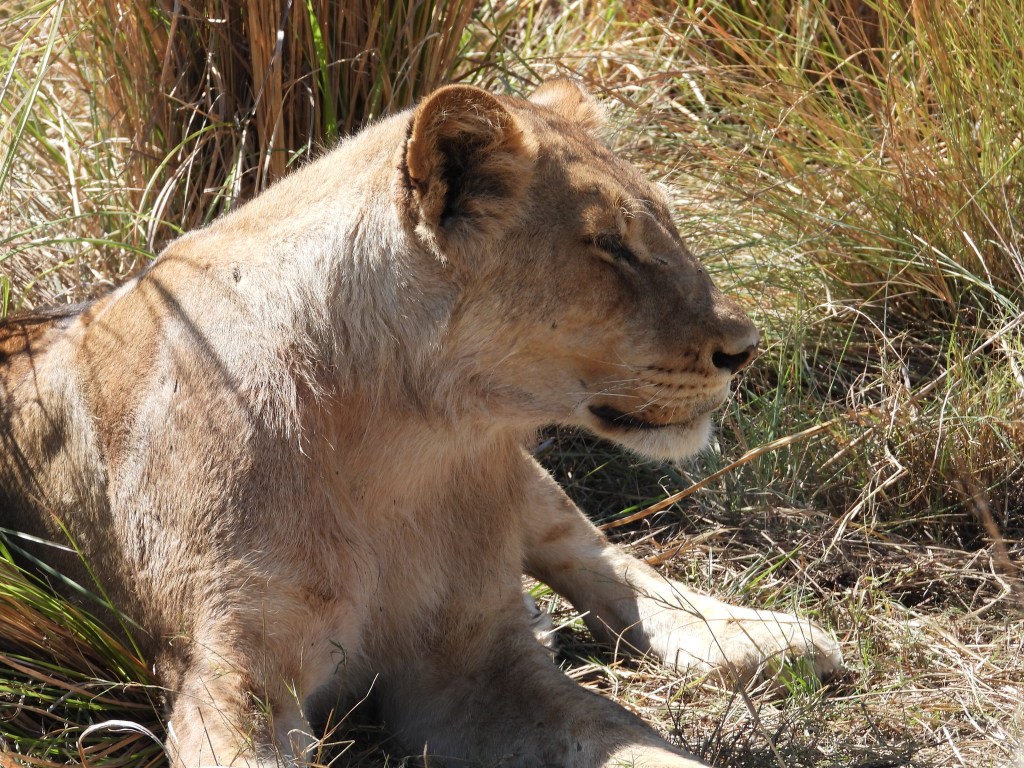
We came upon a pair of lionesses during the game drive. These ones were quite easy to see, unlike the ones I saw in Etosha, which were farther away and partially obscured by vegetation.
The boat and jeep drivers in Chobe would often get very close to the animals and the animals did not react much at all. I suspect the animals in this park are very used to the safari vehicles and just view them as a benign part of the environment. That would change should a person try to get out of the vehicle; hence, everyone has to stay inside at all times.
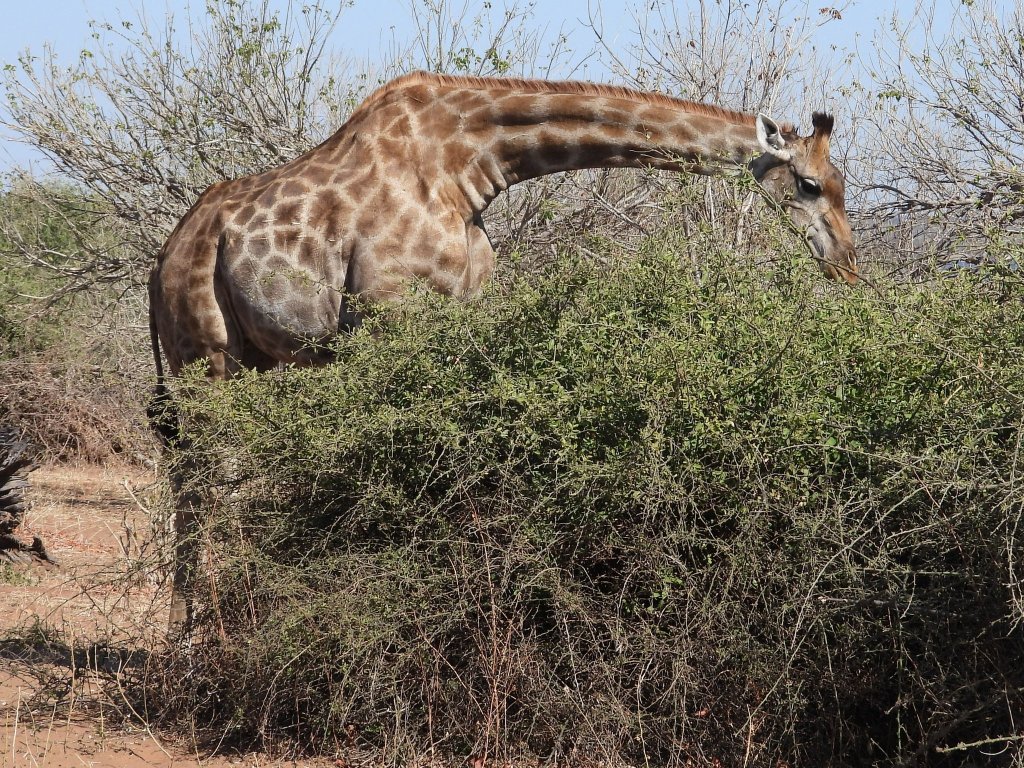
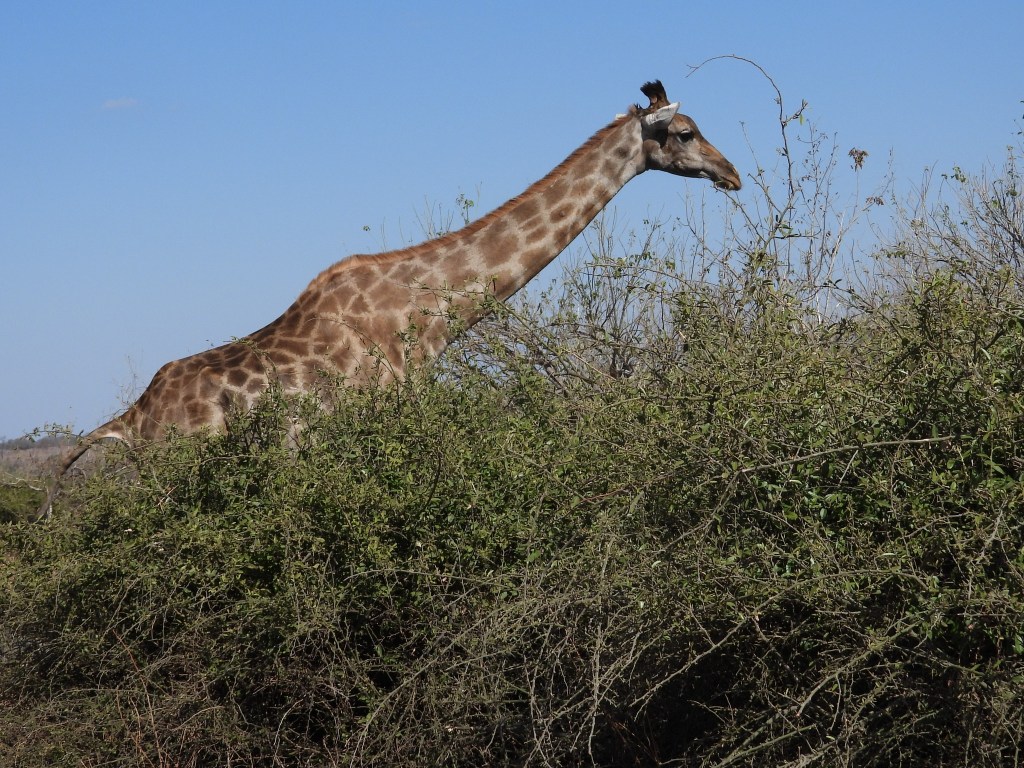
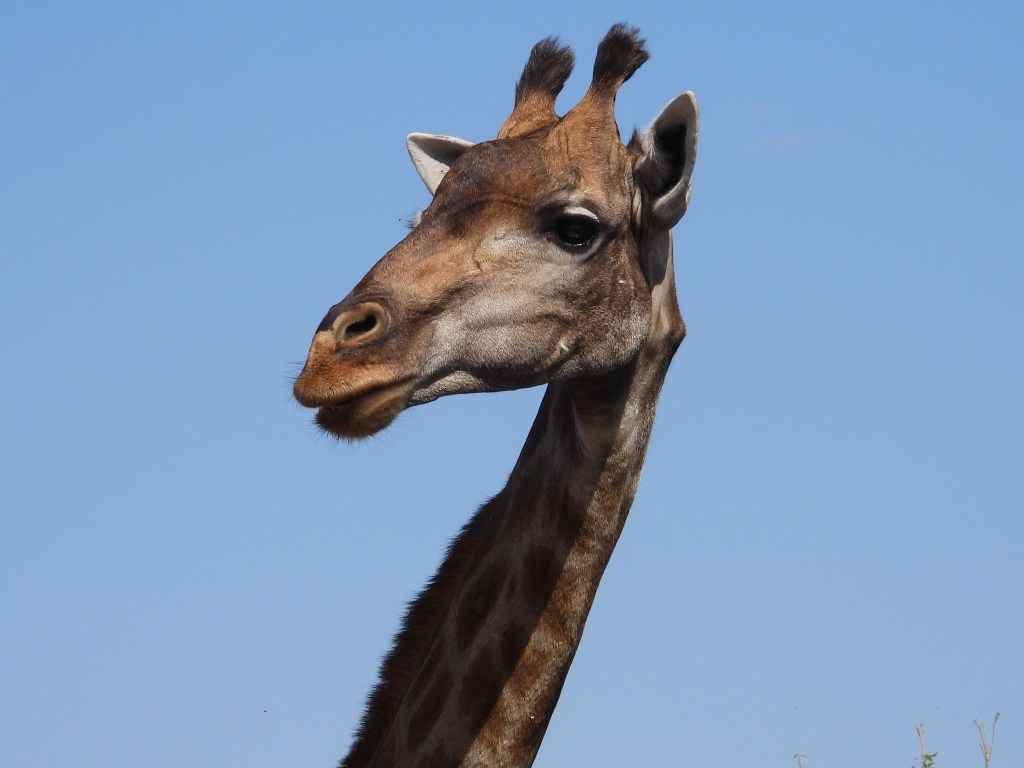
Giraffes are common in Chobe as well. We came across many individual giraffes, as well as a group of nine of them. The color variation among the giraffes was quite striking.


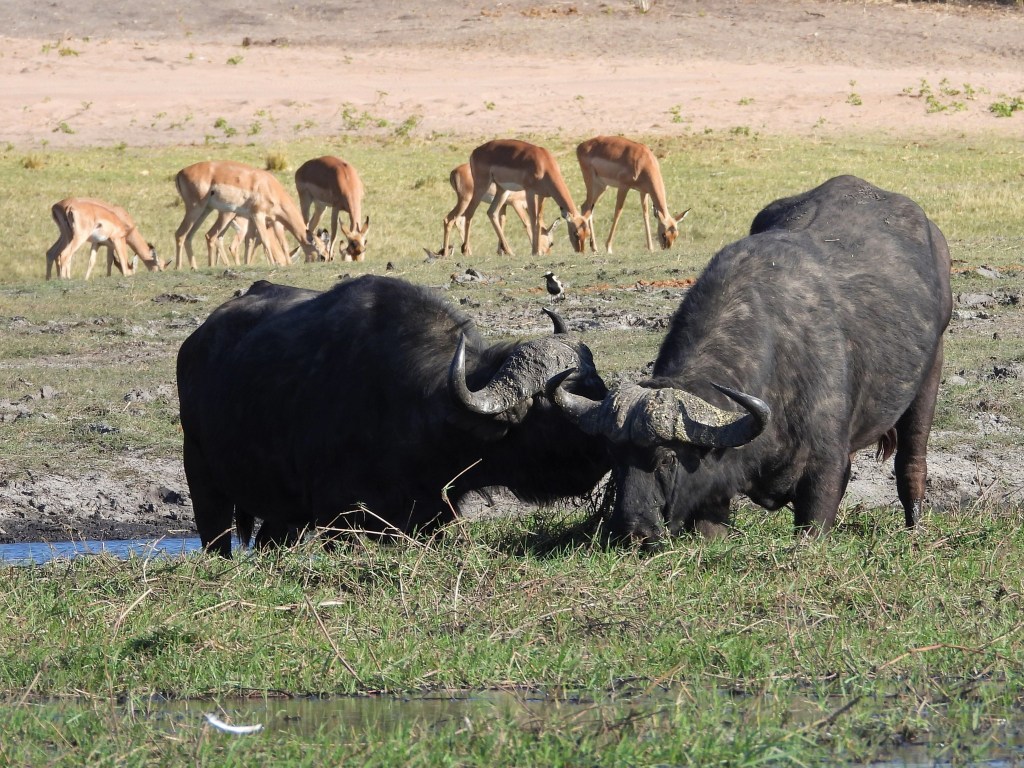
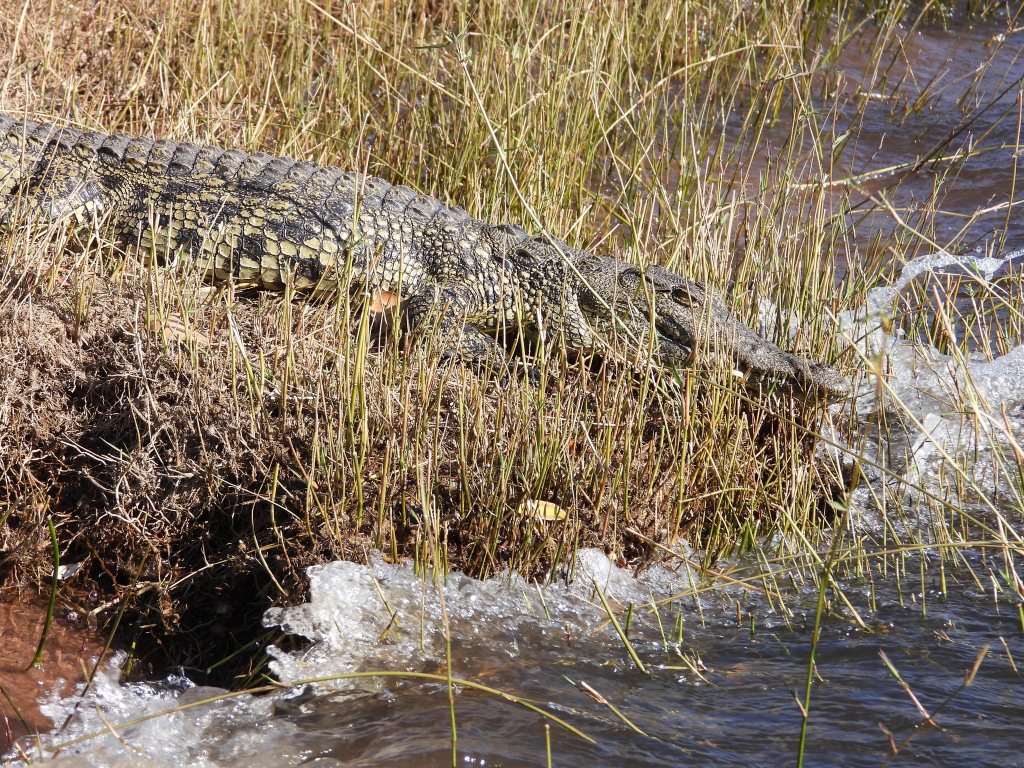
The game drive also turned up kudu and herds of impala. On the boat ride, besides the numerous elephants, we also saw buffalo, impala, Nile crocodile, and hippos. I was rather impressed with the wildlife we were able to find on just a day trip.


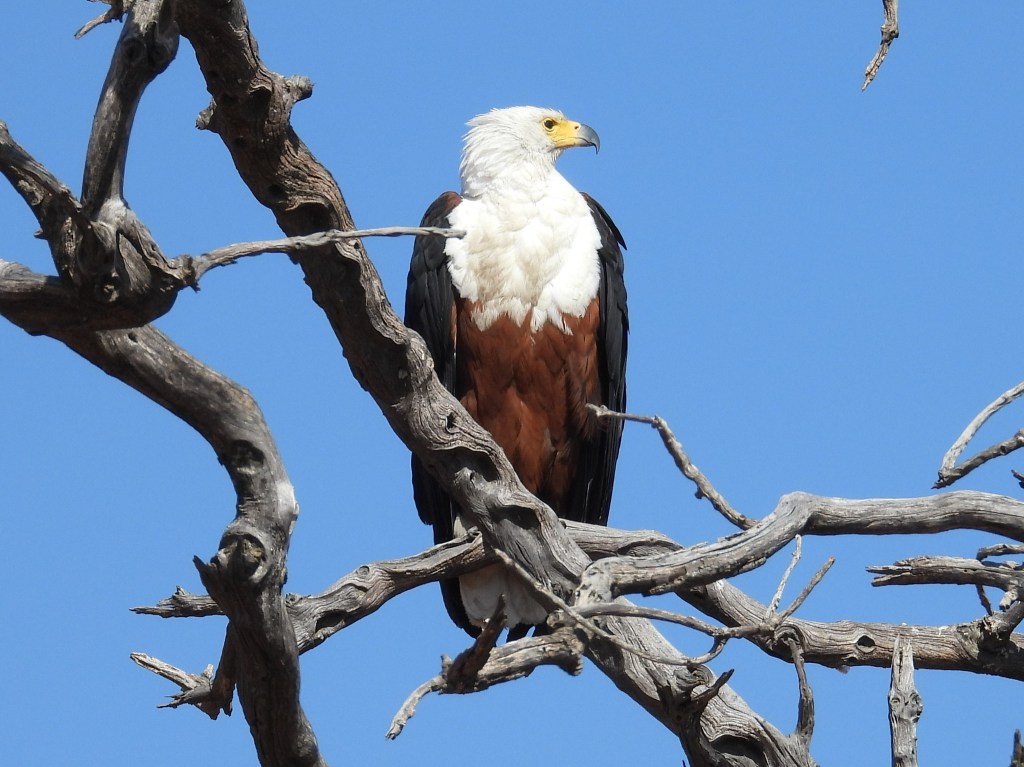
This trip to Chobe focused on the big mammals, but I couldn’t help but notice the birds as well, which were very abundant by the water. The pictures below show an African Openbill and an African Fish Eagle.

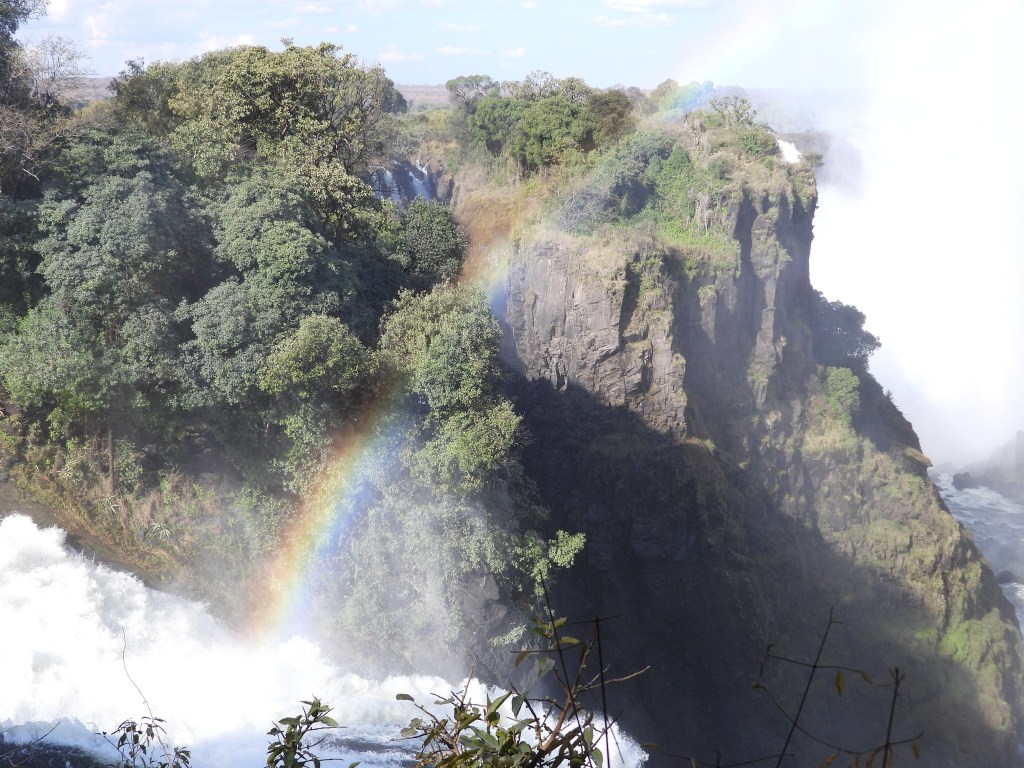
I visited Victoria Falls while I was with the birding group. It is an incredible place and we arrived at the right time to see a rainbow form over the falls. People who are into extreme sports can bungy jump over the falls, go rafting down the Zambezi river or swim in a pool at the top of the falls called the “Devil’s Pool.” I was happy just to view the falls from the walkways.

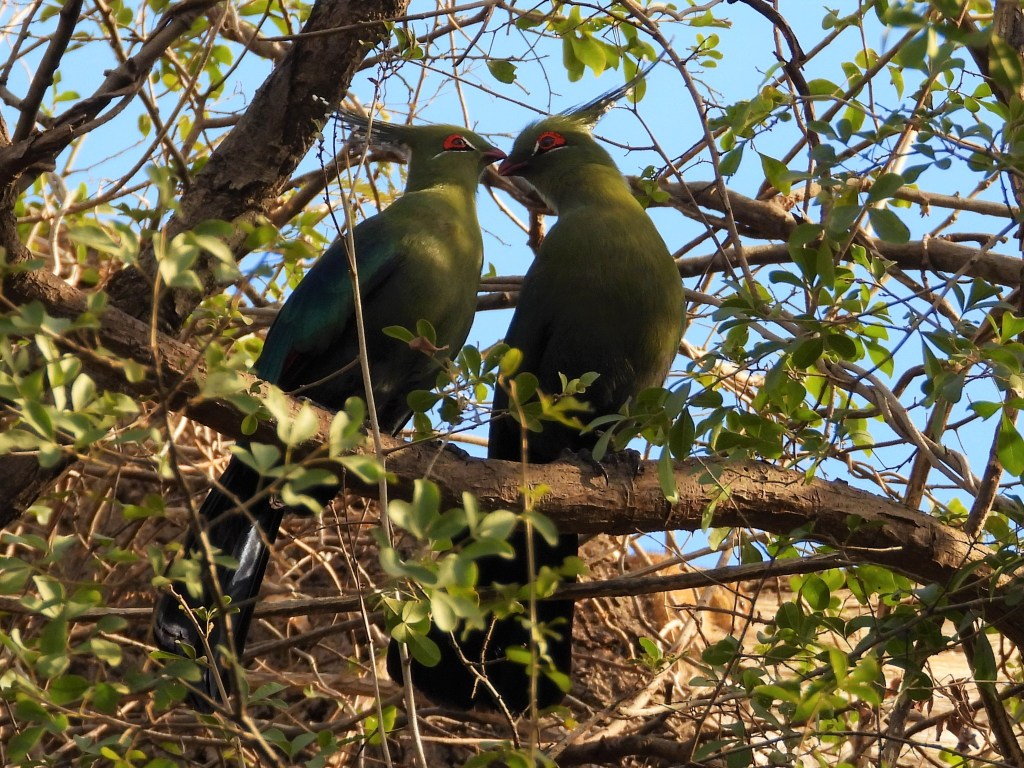
We of course did some birding around the falls. The highlight for me was seeing this pair of Schalow’s Turacos (below). There are also a lot of vervet monkeys and baboons around the falls, and they do try to steal food and other items from people so you have to be careful around them.
The town of Victoria Falls itself has a lot of shops and restaurants and seems to be a safe place to walk around. Tourists walking around will be approached by people selling things – especially old Zimbabwe bills with absurdly large numbers (i.e. 100 trillion dollar banknotes).
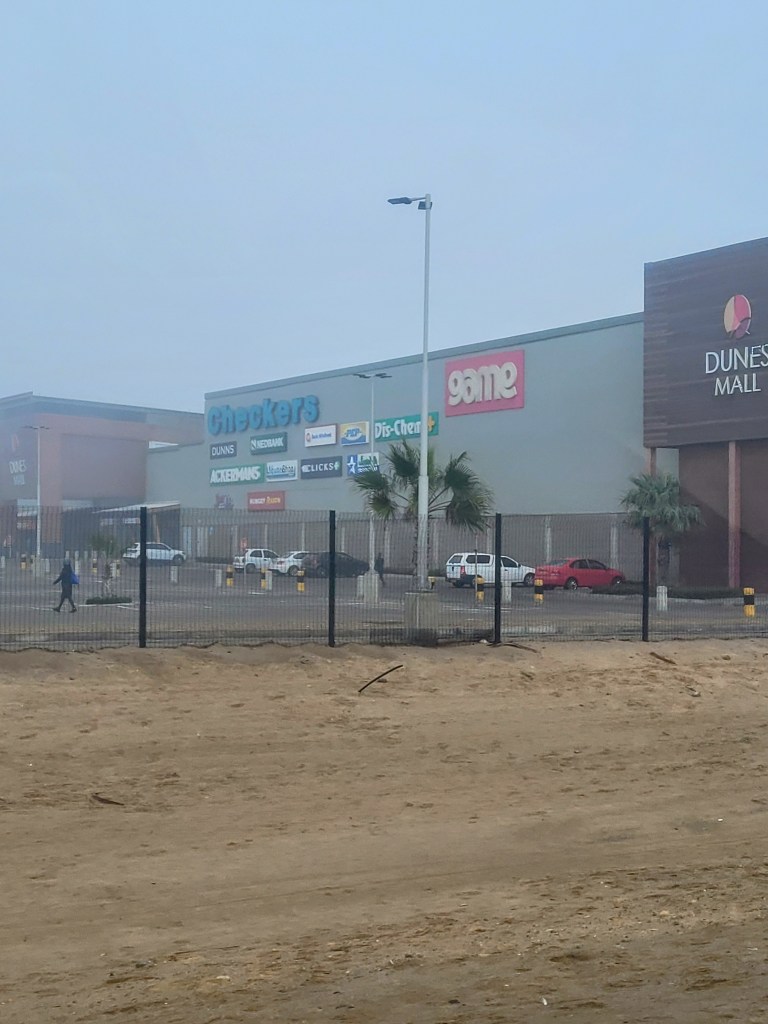
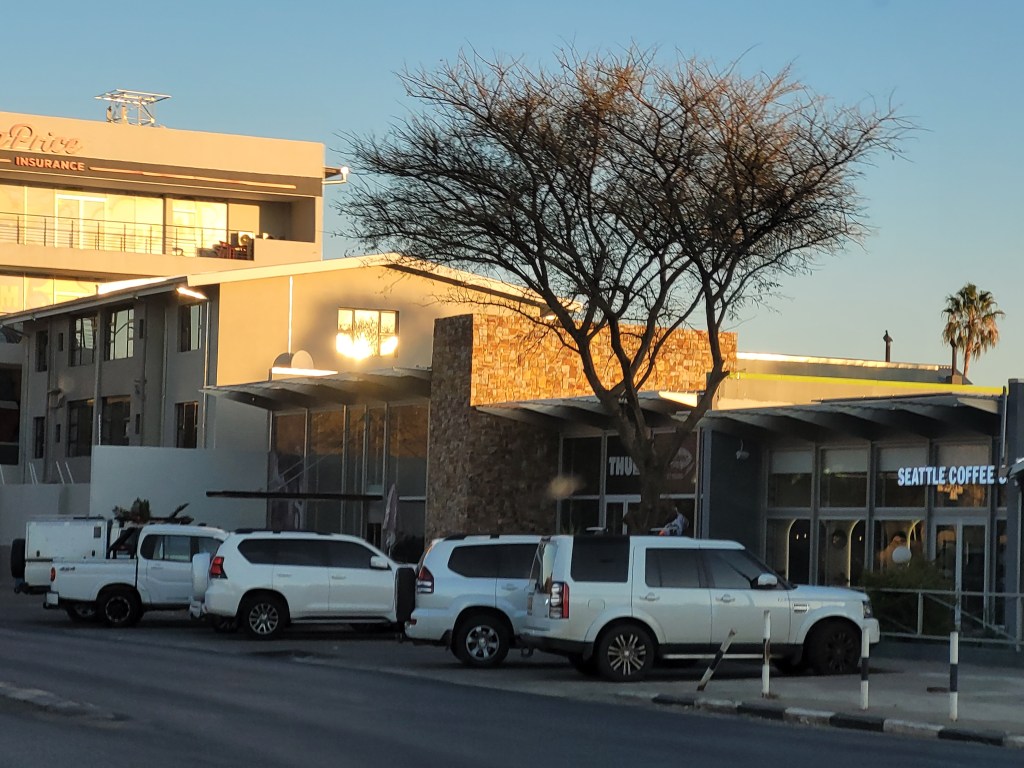
Africa in general has a reputation for being very impoverished and war torn, but that stereotype doesn’t really fit every region. Both Botswana and Namibia seem politically stable and are very reasonable places to visit. However, I was struck by the income disparity there. There are a lot of nice houses and shops in cities like Windhoek and Walvis Bay (below are pictures I took from a vehicle), and the road network is good. However, a large proportion of the population lives in housing they made themselves with corrugated metal sheets or wood & grass. Sometimes, these types of houses had some attached modernities, like satellite dishes, but often they didn’t. A lot of people in the informal settlements run little businesses out of their housing, such as coffee shops, hair salons, or car washes. Many people rely very much on this co-called “informal economy.” I don’t really have many pictures of the human side of Namibia, because I generally don’t feel comfortable taking pictures of people who are just going about their daily lives.
Any of the places frequented by tourists will also have vendors selling various carvings, colorful stones (especially by Spitzkoppe), and other handicrafts by the roadside. I did buy some bird carvings from one of these little businesses – one of a hornbill and one of a guinea hen.

Would I recommend Namibia as a travel destination? For sure – especially for people who enjoy nature and wildlife. There are also interesting cultural sites too, such as places with ancient San rock art. The birding trip (run by Rockjumper) was excellent and appropriate for any “level” of birder. Because of the abundance of open habitat, birds are easy to see and photograph and because the country’s economy depends a lot on tourism, there are good places to stay in most parts of the country. People who want to camp can do that too. There are campgrounds throughout Namibia, including fenced ones in Etosha.
I’ll start writing about my latest adventure this week, a trip to a very different country, where the birding was both challenging and rewarding.


2 responses to “Botswana Part II: Chobe National Park, Plus Victoria Falls (Zimbabwe)”
WoW! Wonderful photos! We will definitely be going here! For some reason, i couldn’t like your blog.
LikeLiked by 1 person
Thanks! The Namibia trip was great – I’m sure you will enjoy your trip too.
LikeLiked by 1 person