For various reasons, I have to take a bit of a break from the more distant travel destinations and specialized birding tours. Last summer, I did go to a conference in Winnipeg, and I took that opportunity to make a stop in Grasslands National Park, in southern Saskatchewan.
Southern Saskatchewan isn’t quite as exotic a destination as Namibia or Indonesia, and most people think of Saskatchewan as being a rather monotonous place with a lot of wheat fields. However, it is a very worthwhile destination for naturalists, as there are beautiful national and provincial parks that have a lot to offer in terms of wildlife, scenery, and flowers.
Grasslands National Park is in the far south of the province and like the name suggests, is primarily covered in grassland. It’s a special place because the majority of native prairie grassland in Canada has been converted to agricultural land. That leaves little habitat available for native grassland wildlife that doesn’t tolerate human-modified habitats. Grasslands National Park acts as a major safe haven for such species.
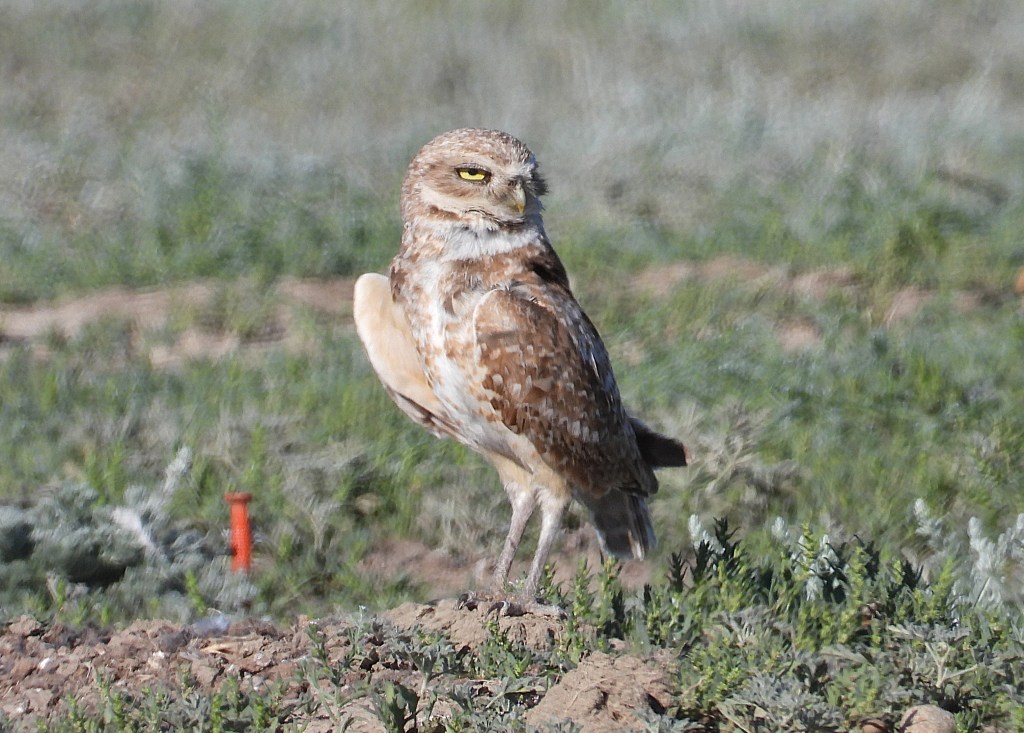
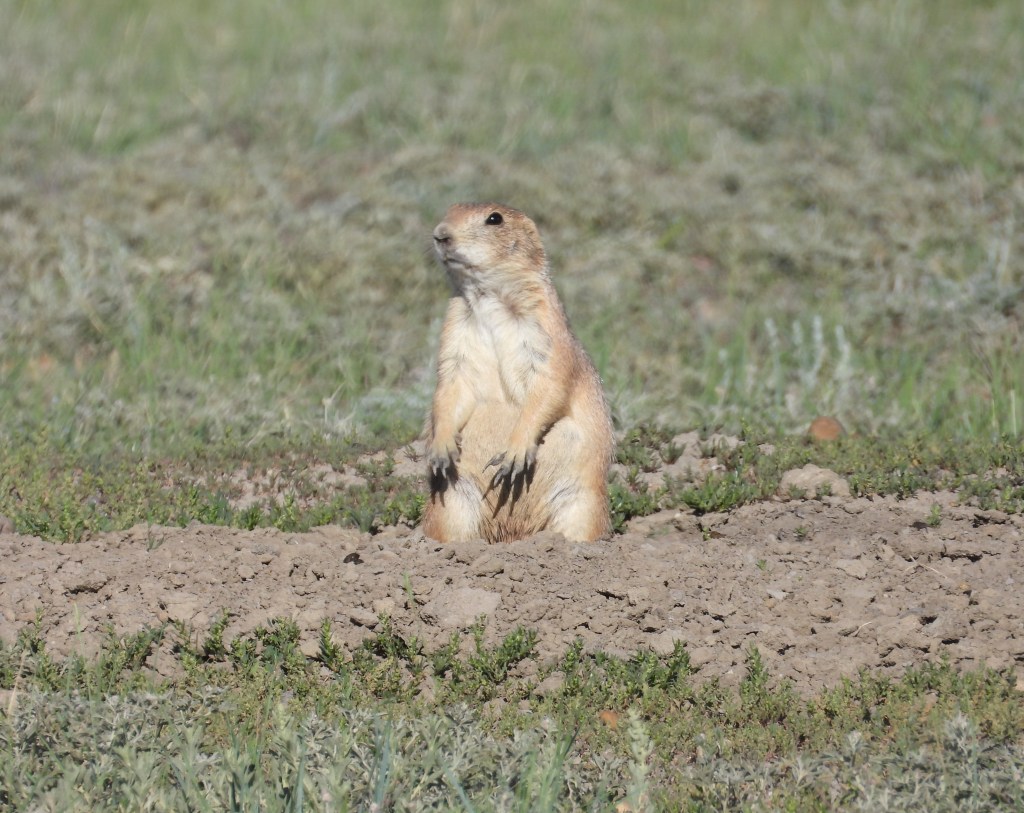
One such species would be the Burrowing Owl. They have a wide range globally but are considered endangered in Canada. In Grasslands National Park, they can often be seen perched around the burrows of Black-tailed Prairie Dogs, which are considered threatened in Canada. Burrowing Owls, as their name suggests, nest in burrows, but they rarely excavate them on their own. Rather, they tend to use the abandoned burrows of other species, such as badgers, ground squirrels, or prairie dogs.
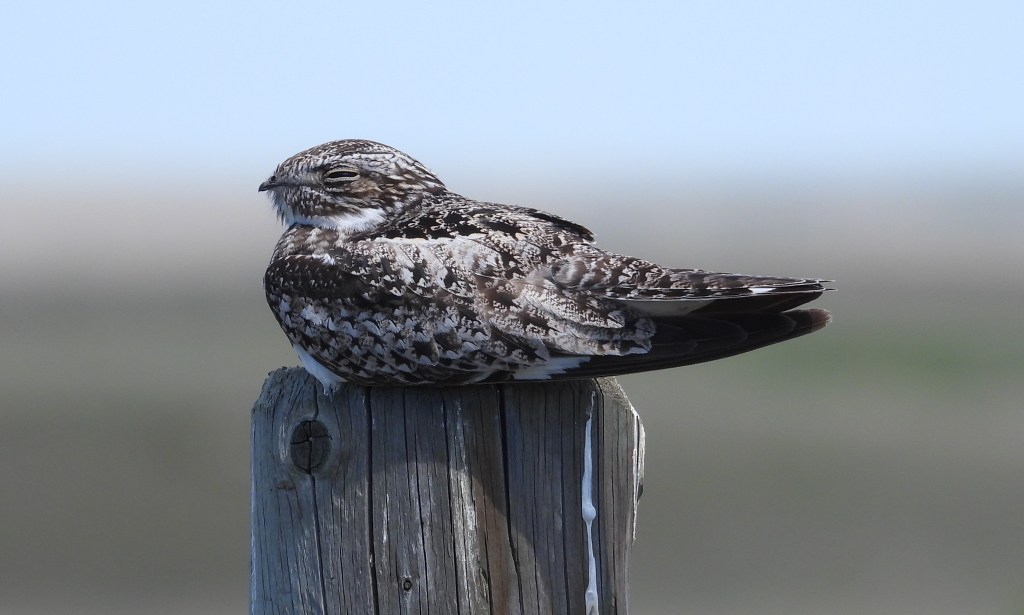
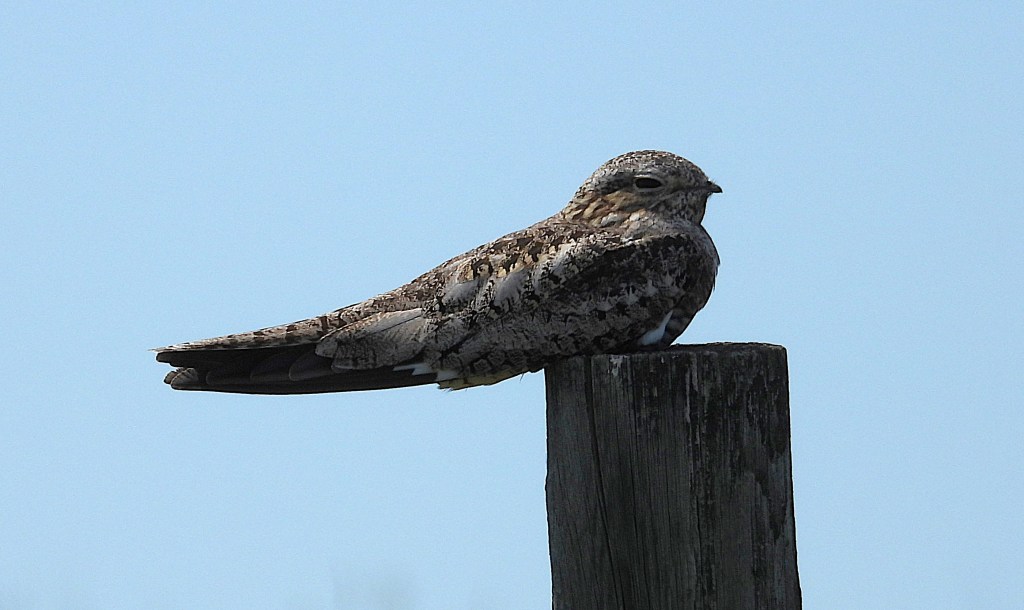
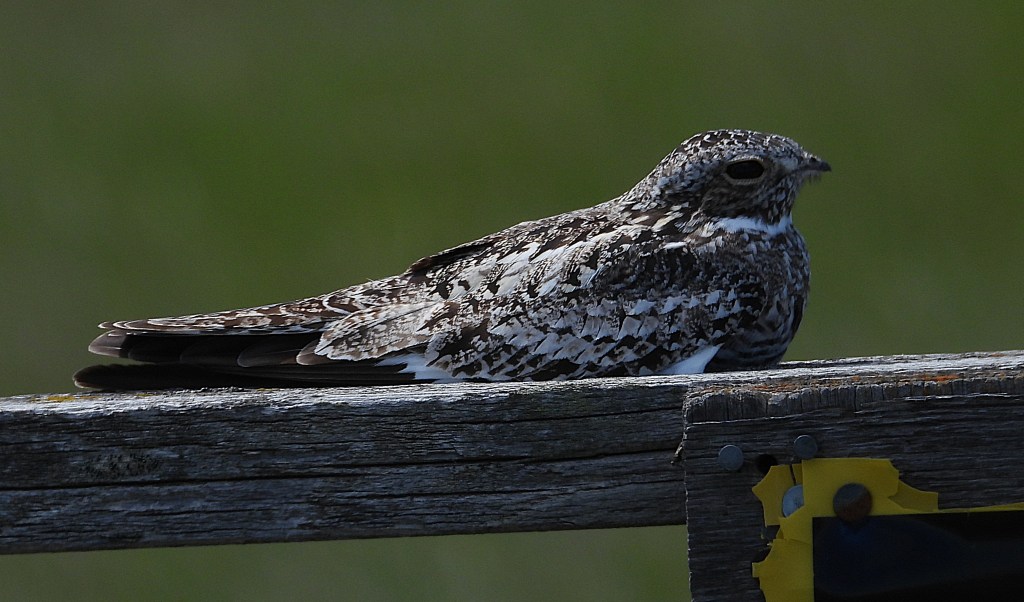
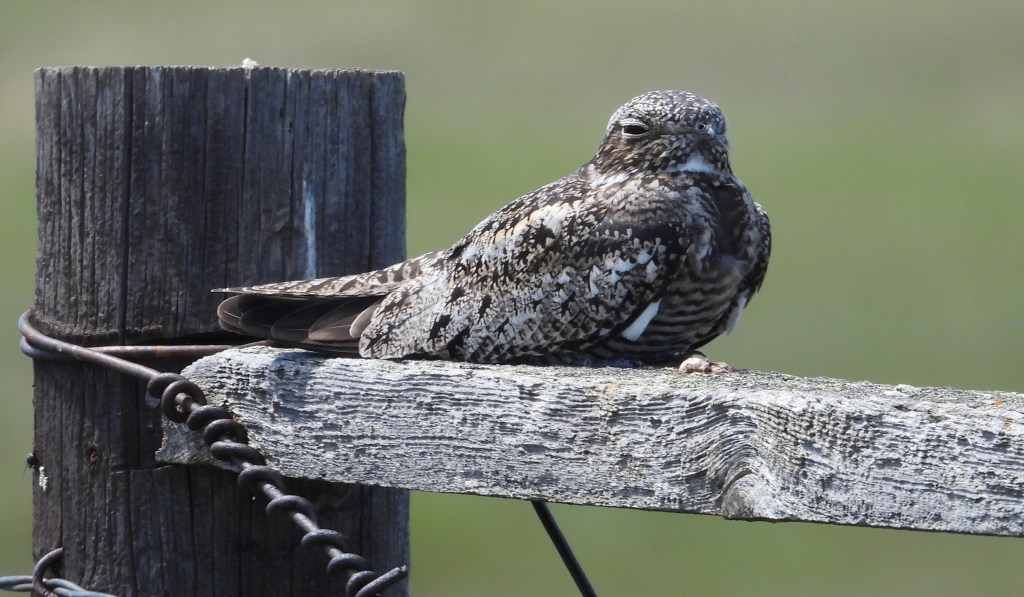
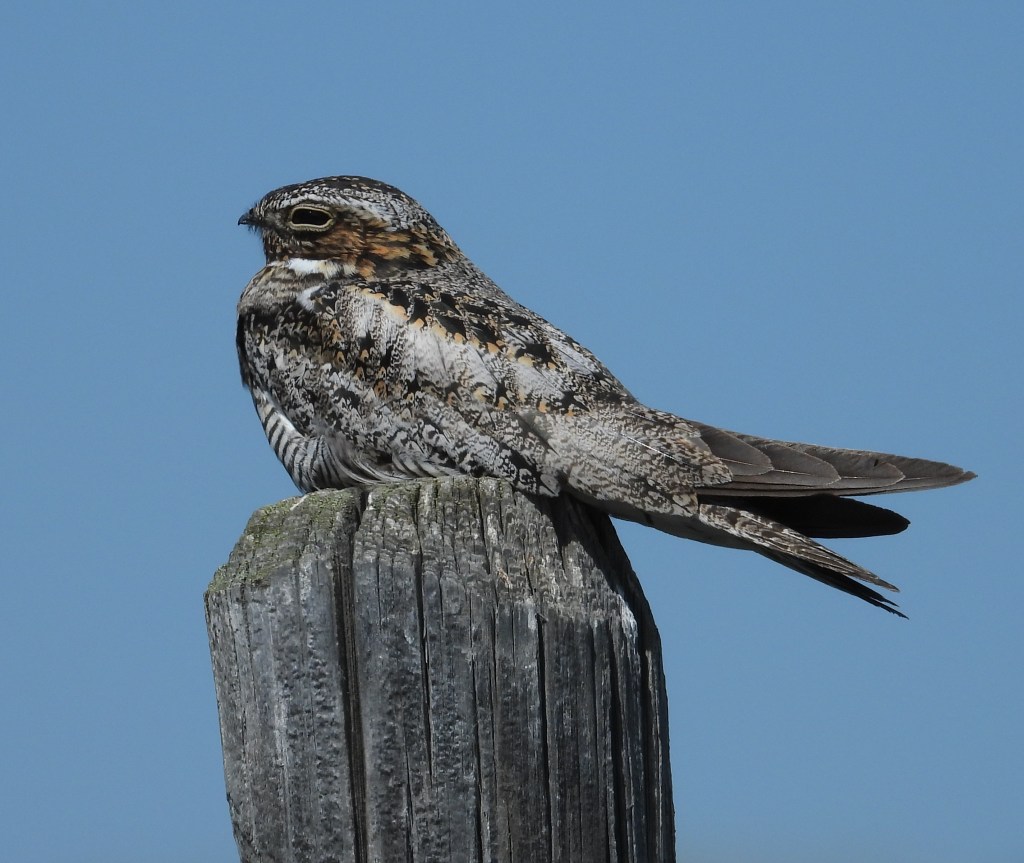
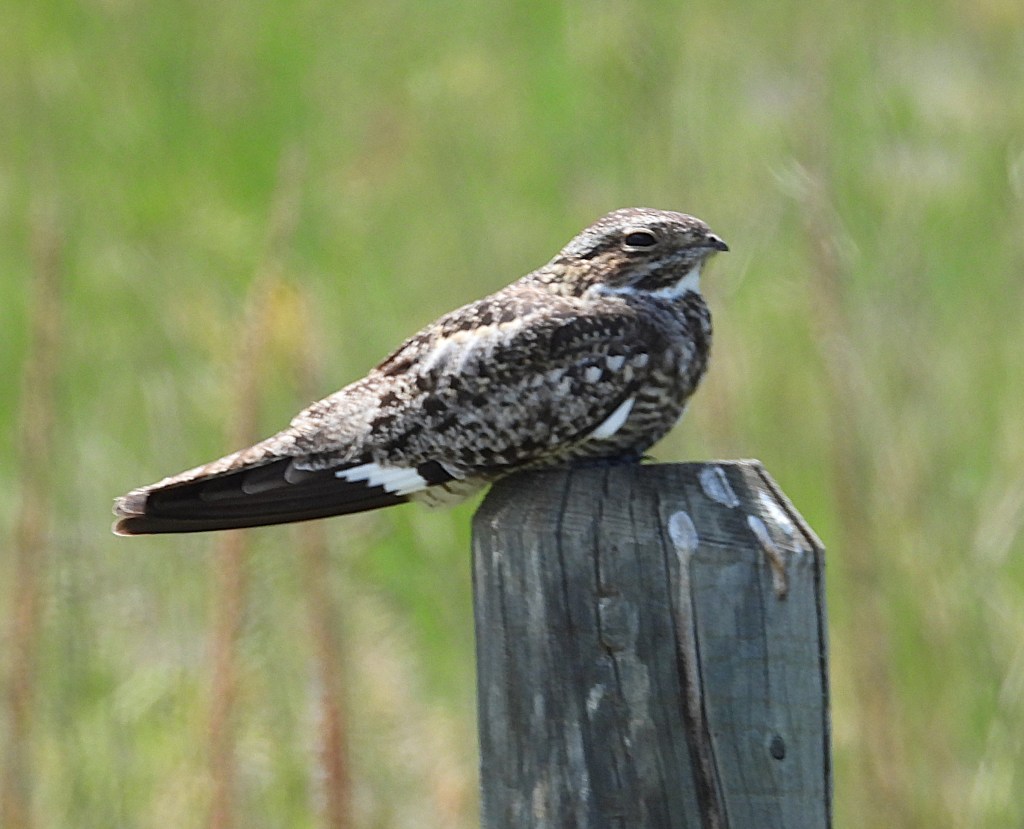
Common Nighthawks are also quite common in the park, despite being considered threatened in Canada. I’ve seen many of them in my life, but it’s usually when they are in flight. Nighthawks tend to become active at dusk and dawn, and they make their presence known by emitting a very distinctive “peent, peent” call. The males also make a loud “whoosh” noise when they dive rapidly downwards.
I heard a few nighthawks making their “peent” calls early in the morning, but they tend to be inactive during the day, when they will typically rest on the ground. They make their nests on the ground as well. The birds and their nests can be extremely difficult to see because they blend in very well with their surroundings. However, many nighthawks will roost on top of fenceposts, which makes them quite conspicuous. There was one location just outside of the park where I counted six nighthawks sleeping on fence posts, and one campground in the park had at least 25 nighthawks sleeping in a row on a fence.
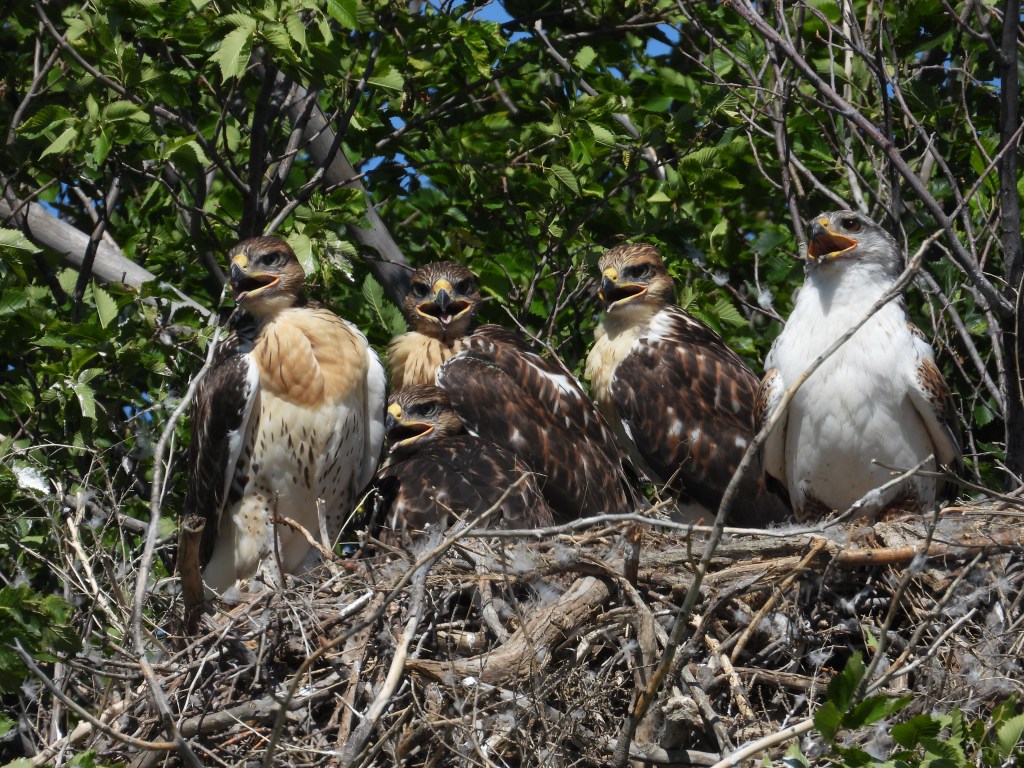
Ferruginous Hawks, another federally threatened species, also occur in the park. I got extremely lucky and managed to find a nest with five Ferruginous Hawk chicks just outside of the park. All five chicks looked quite healthy. It was a hot day, which is why they are all panting.
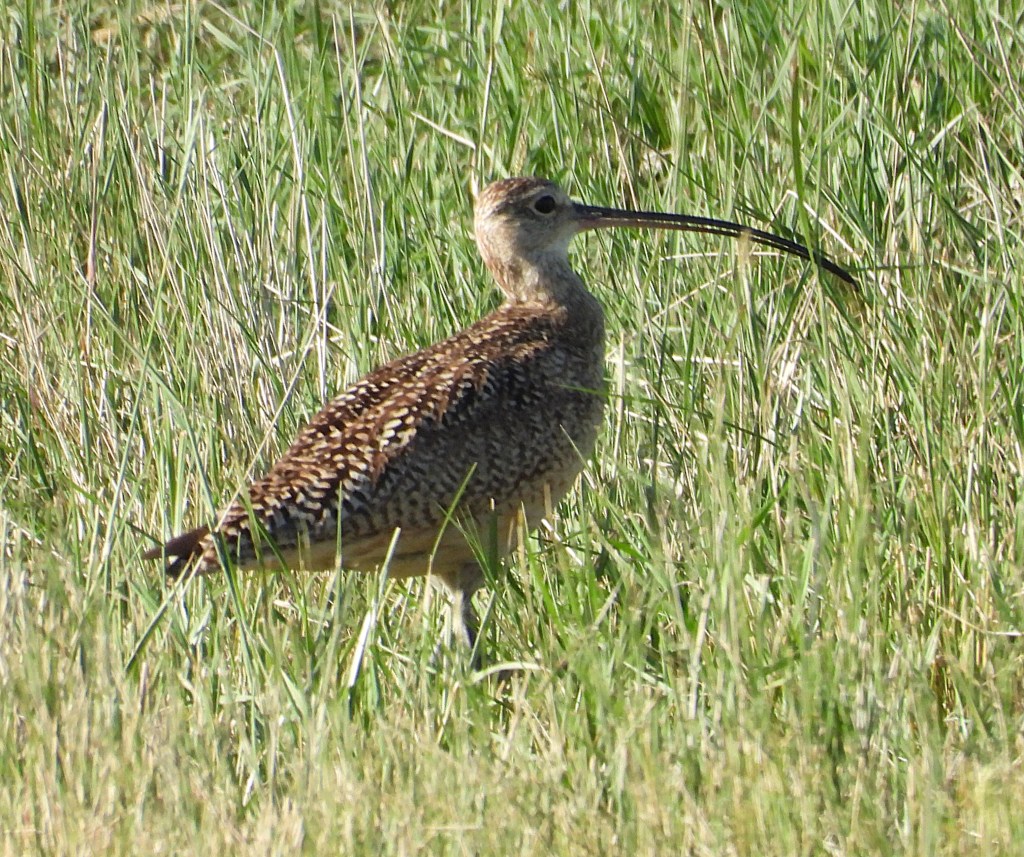
The Long-billed Curlew and Upland Sandpiper were both on the list of birds I wanted to see, and I wasn’t disappointed there. Long-billed Curlews are in the shorebird family (Scolopacidae) but they breed in grasslands. However, they spend their winters in more typical shorebird habitats.
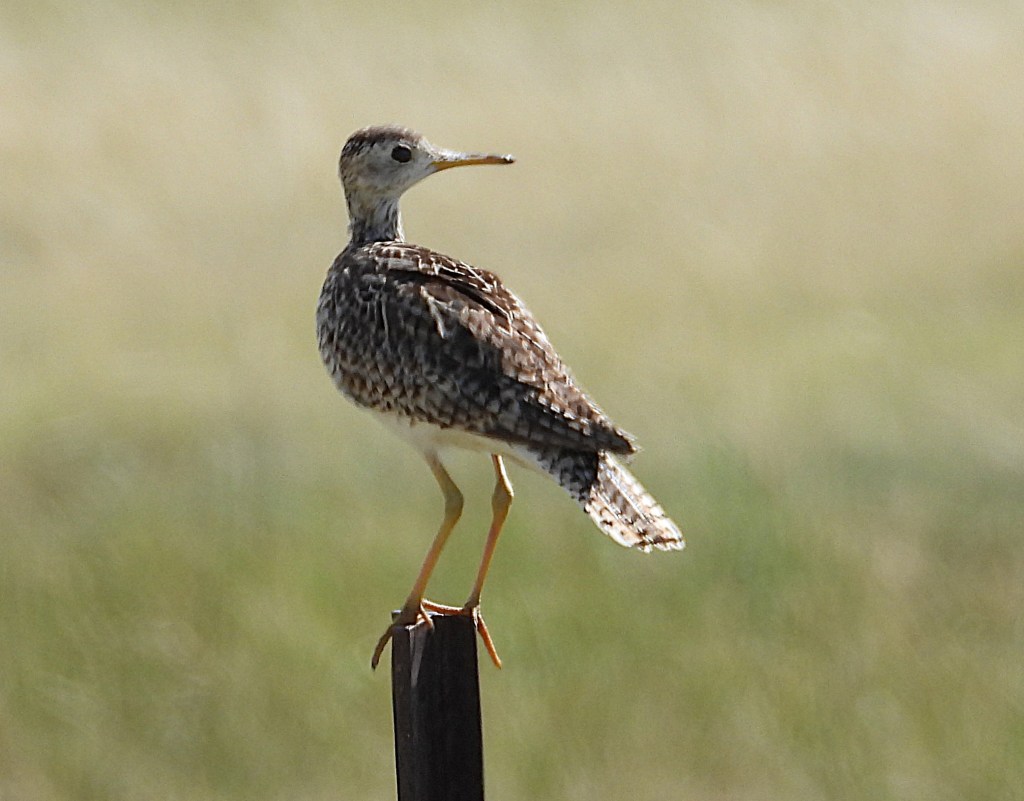
Upland Sandpipers are also in the shorebird family, but they also prefer grassland habitats, even during the non-breeding season. They are most often spotted perched on fenceposts, like the one below.
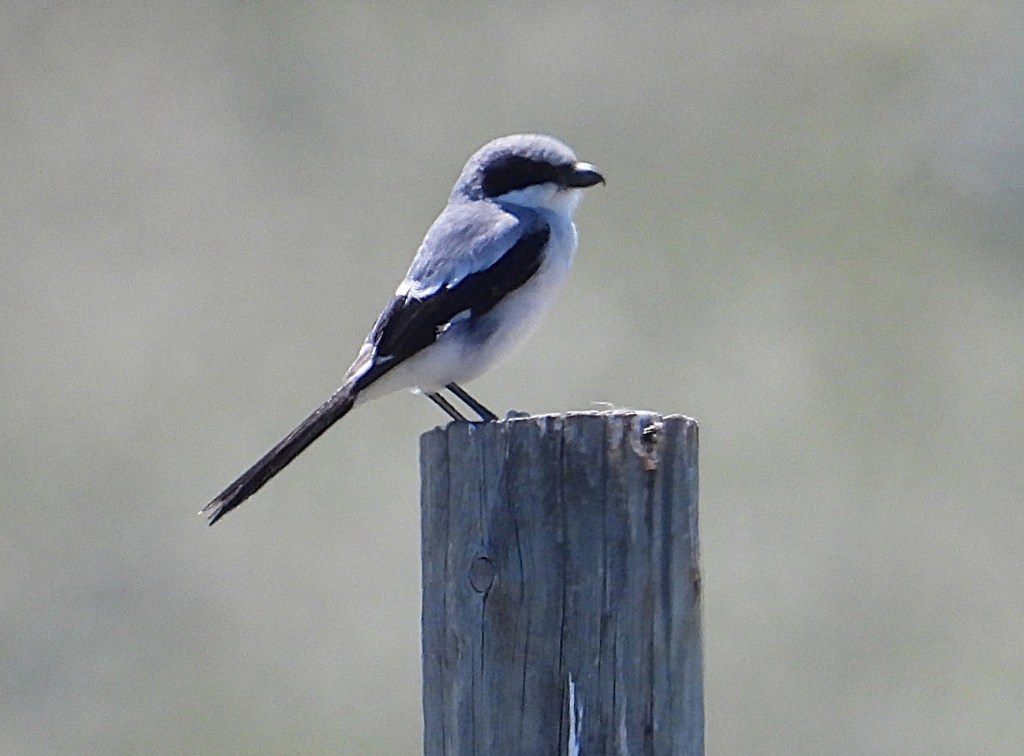
There are a variety of songbirds in the park, including the Loggerhead Shrike (pictured below). Shrikes are unusual for songbirds, as they often prey on small vertebrates. They also have the rather gory habit of impaling their prey on thorns, twigs, or the prongs on barbed wire fences. I’ve seen a few Northern Shrikes around where I live (Grande Prairie, Alberta) but the Loggerhead Shrike was a new bird for my ebird list.
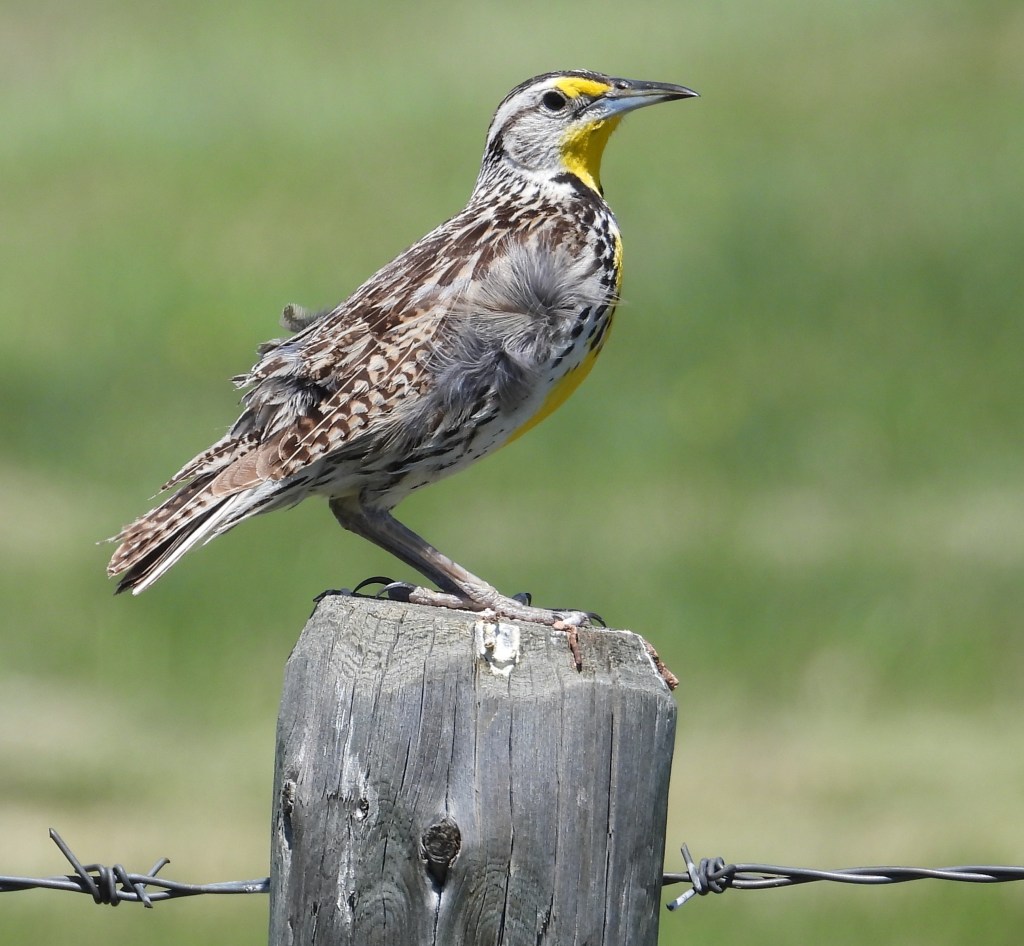
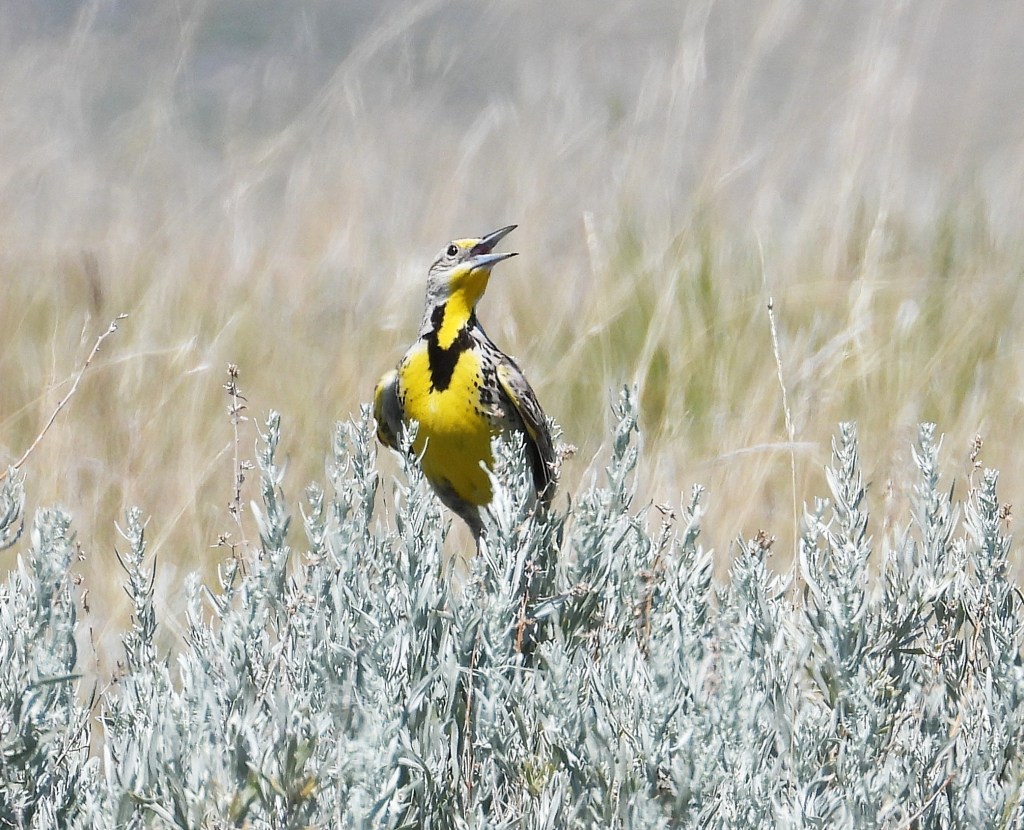
Some songbird species – all of which seem to have ‘lark’ in their names – are more or less impossible not to see in the park. These include the Horned Lark, Western Meadowlark, Lark Bunting, and Lark Sparrow. Many posts will have a meadowlark perched on them, singing away, and Horned Larks were everywhere by the roadside. Lark Buntings and sparrows were also common, and I tended to see them perched on rocks or wire.
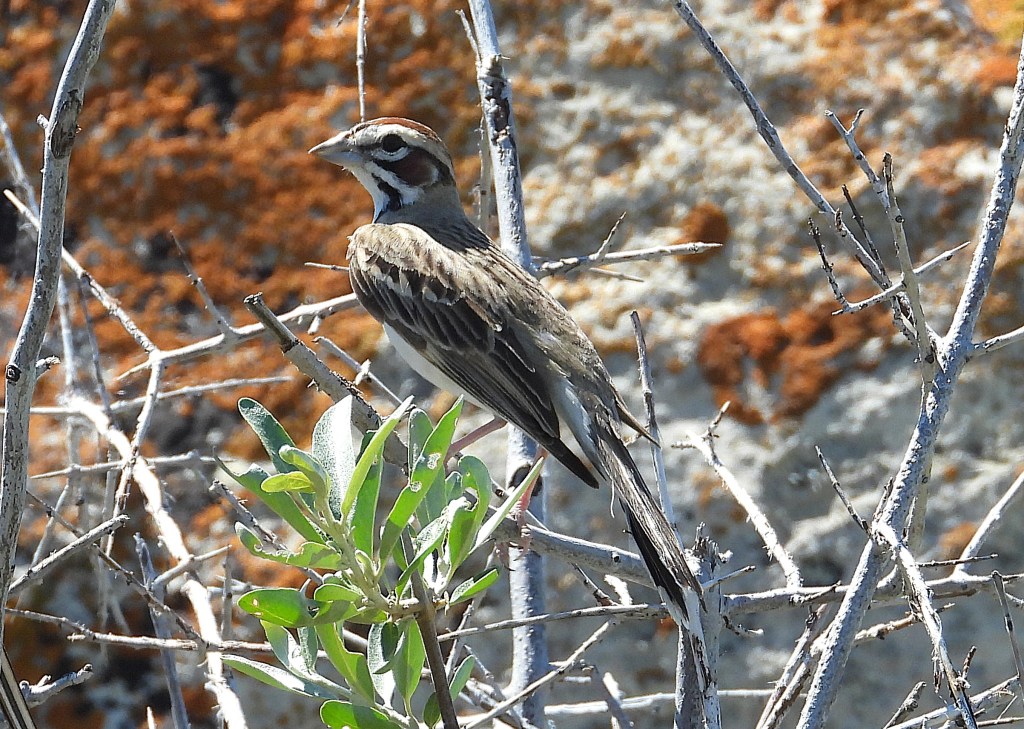
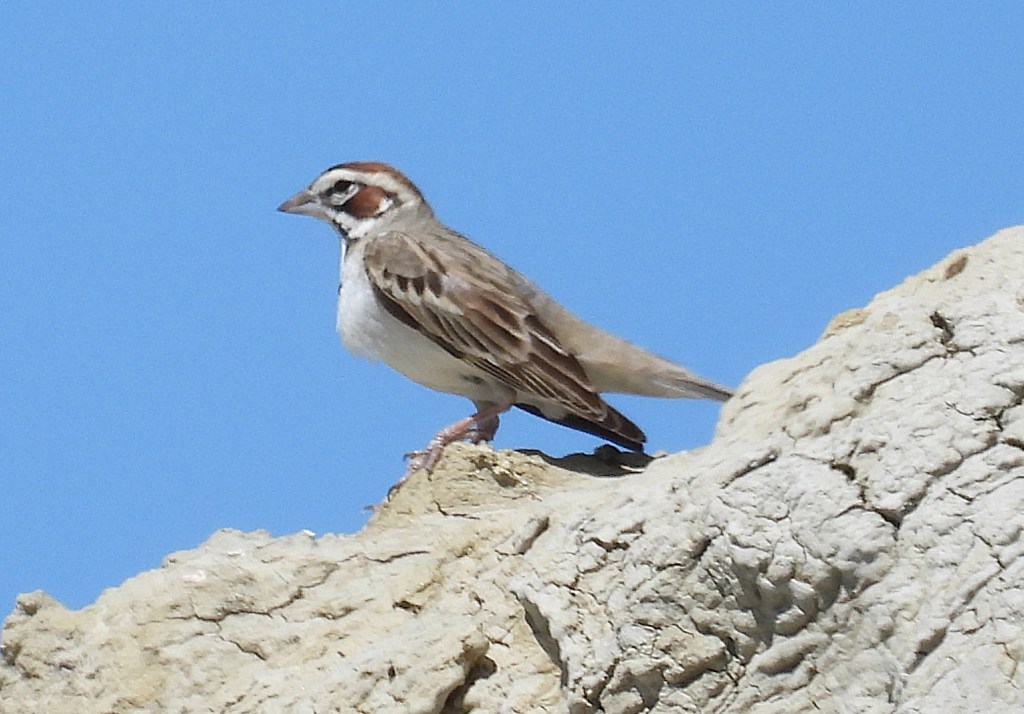
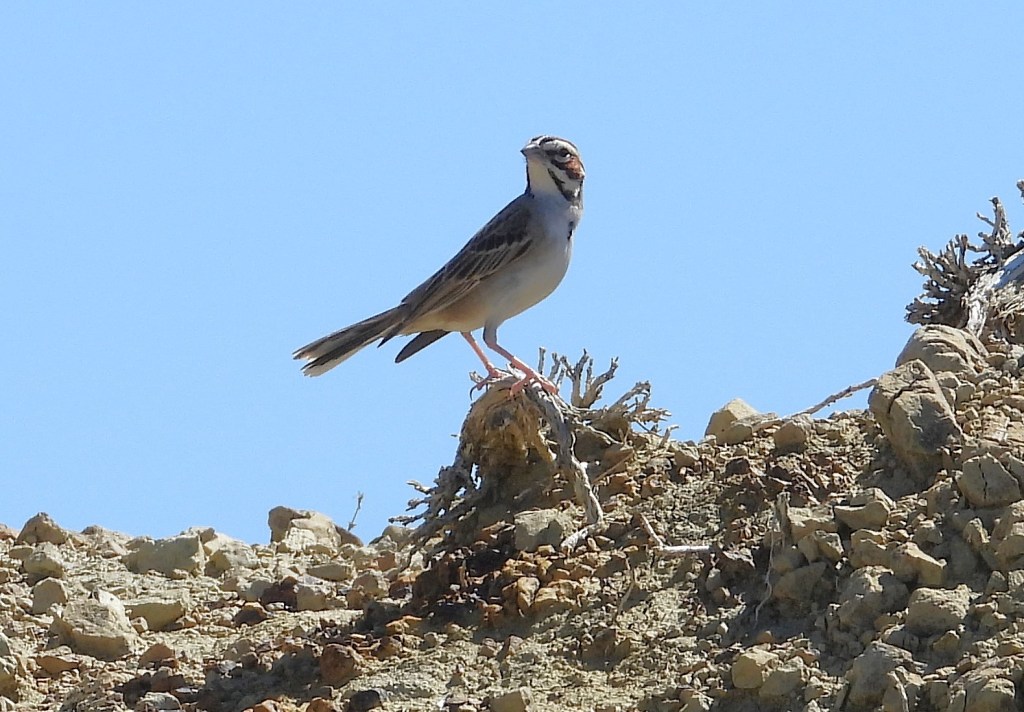
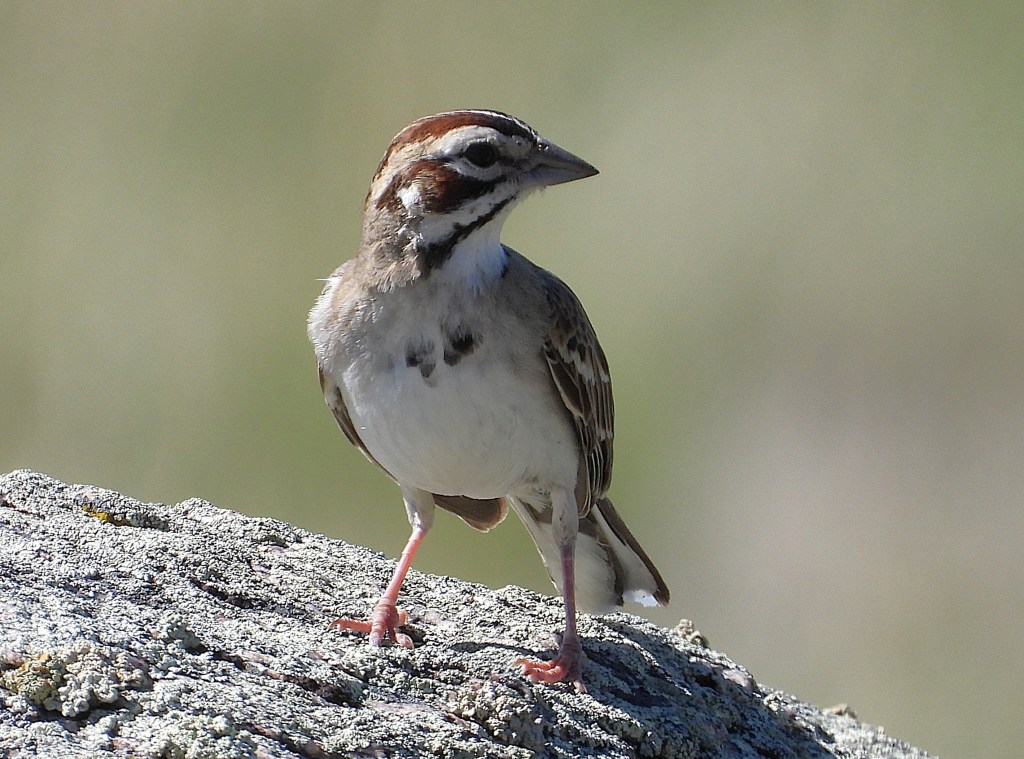
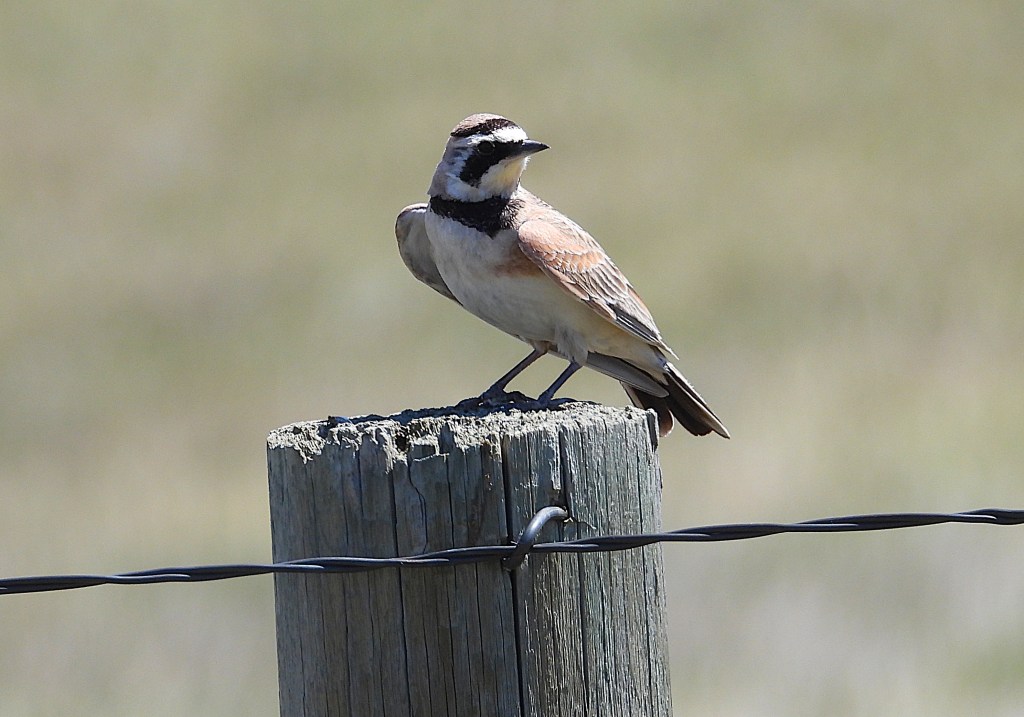
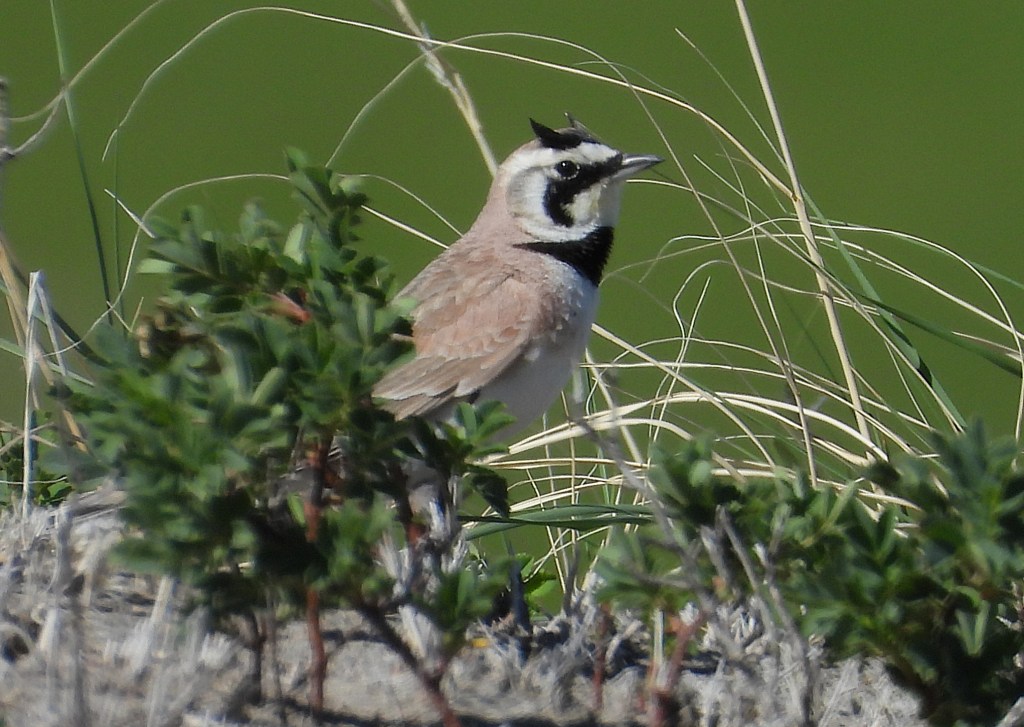
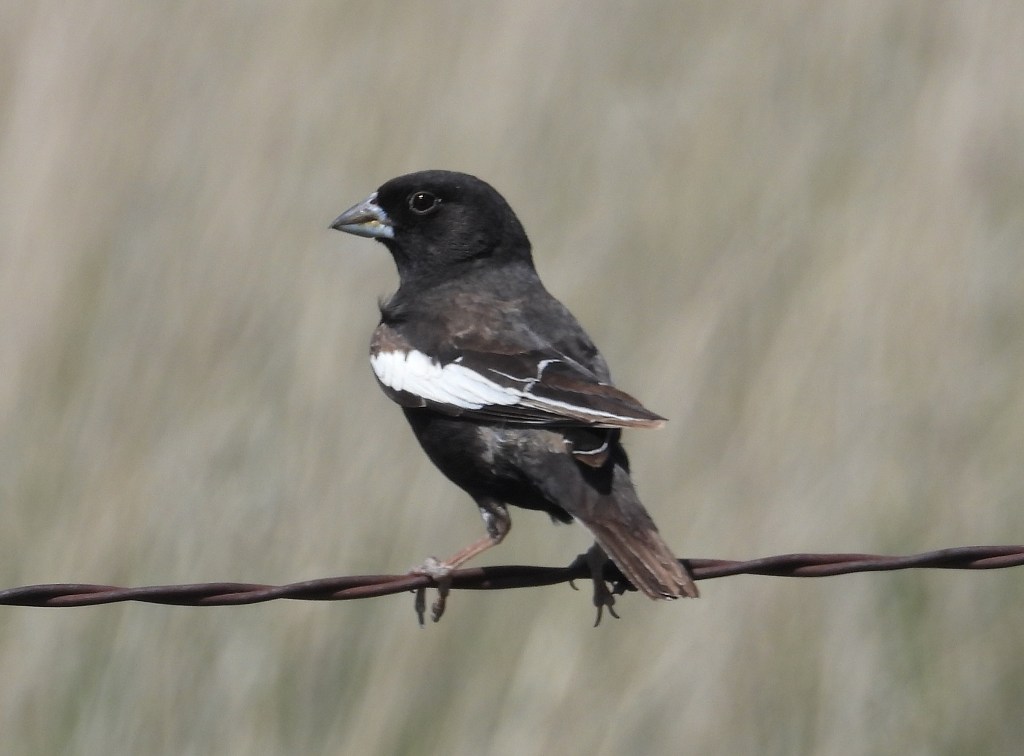
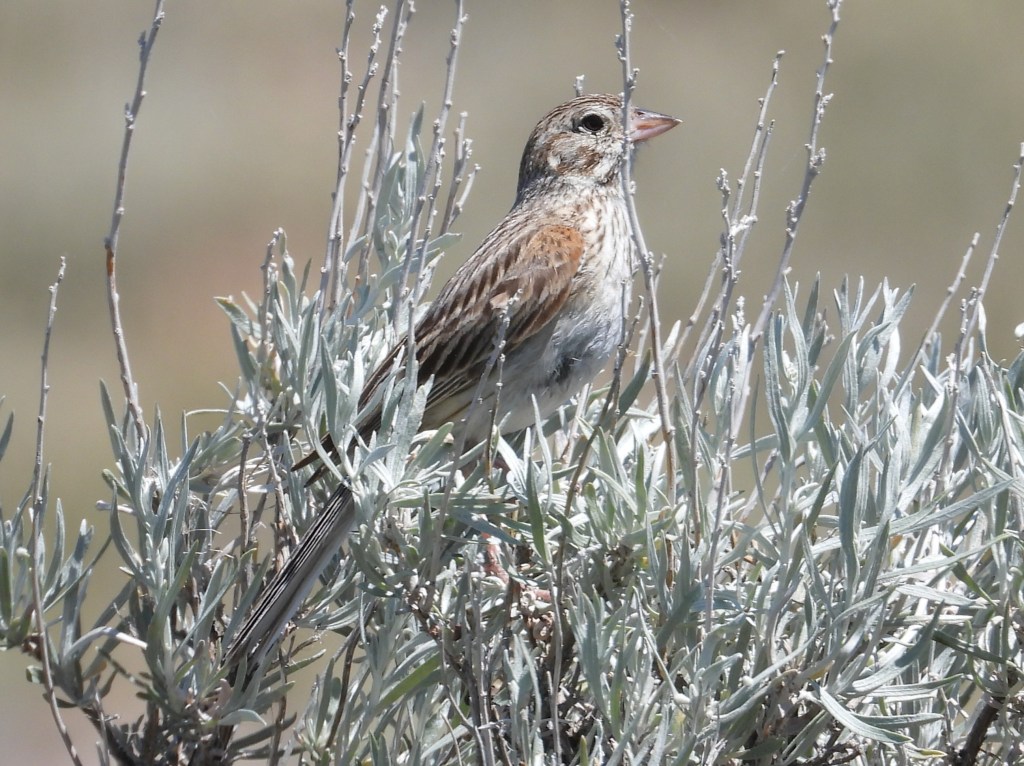
Vesper Sparrows were more or less everywhere too:
The park is divided into two sections: east and west. I spend most of my time in the western block, but I did take a drive to the eastern block. The eastern block has some fantastic badlands scenery and an 11 km single-lane parkway around it.
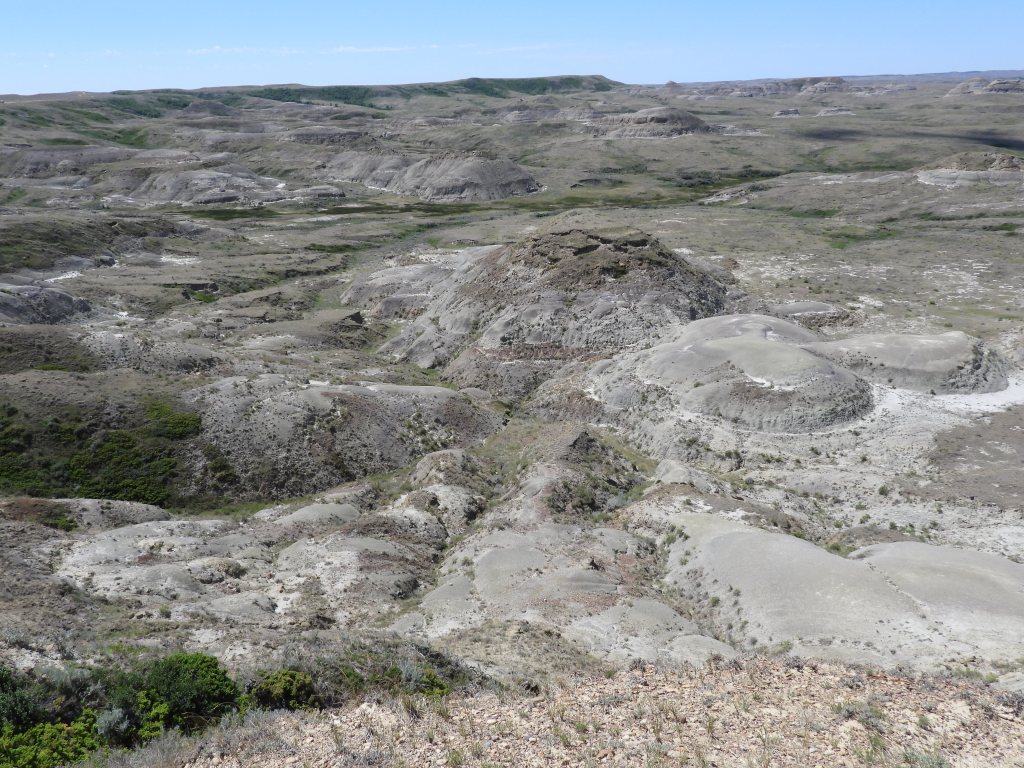
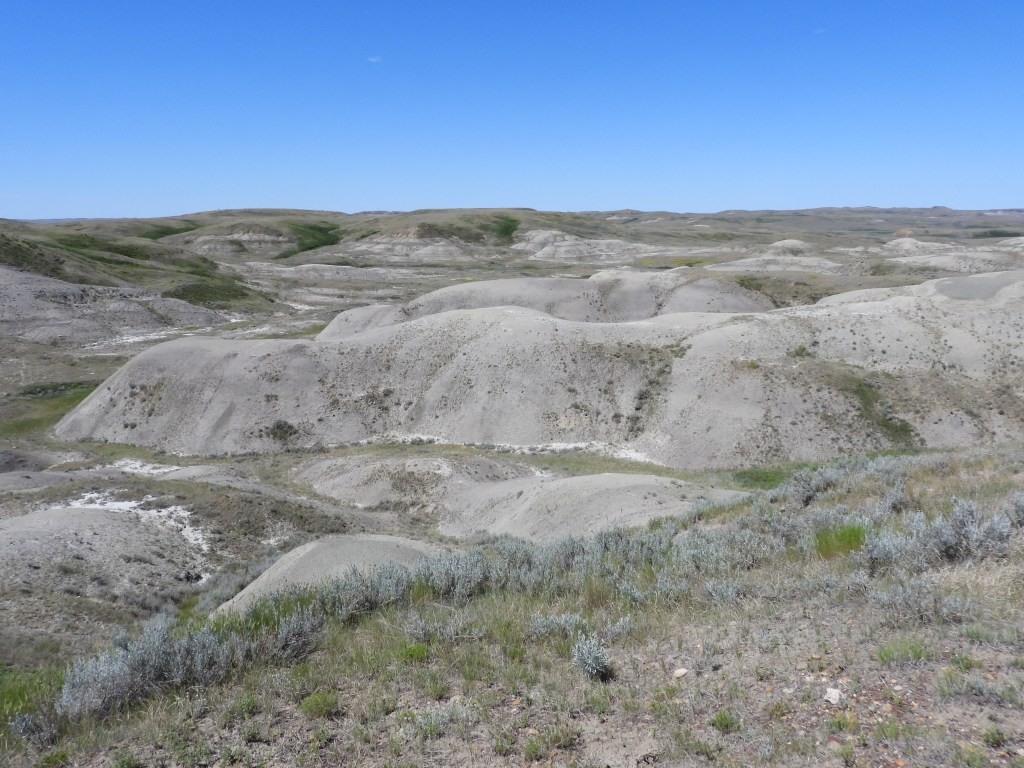
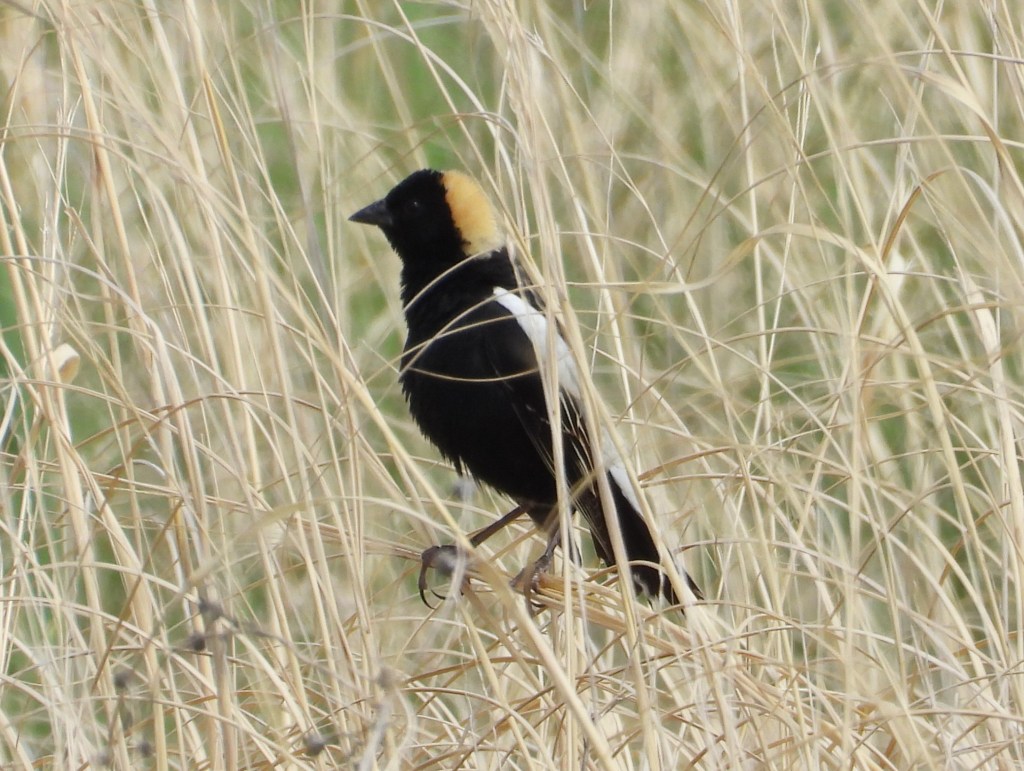
There are plenty of places to stop and look/listen for birds along the Badlands Parkway. Rock Wrens, Clay-colored Sparrows, Savannah Sparrows, Spotted Towhees, Northern Harriers, and Grasshopper Sparrows aren’t too hard to find. I also managed to find a Sprague’s Pipit, and several Bobolinks, although I don’t have good photos of them. The Bobolink picture below was taken at Oak Hammock Marsh by Winnipeg.
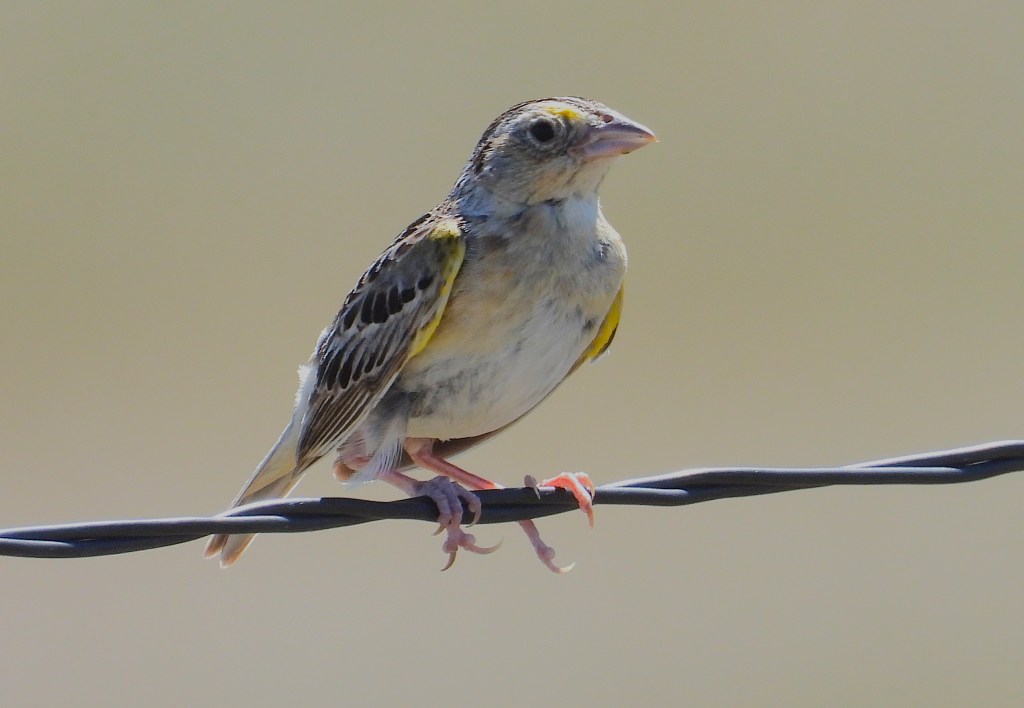
There is a valley along the parkway with some aspen forest and it’s a good place to pick up some species that normally inhabit shrubs or woodlands. I found American Goldfinches, House Wrens, Cedar Waxwings, and Yellow Warblers.
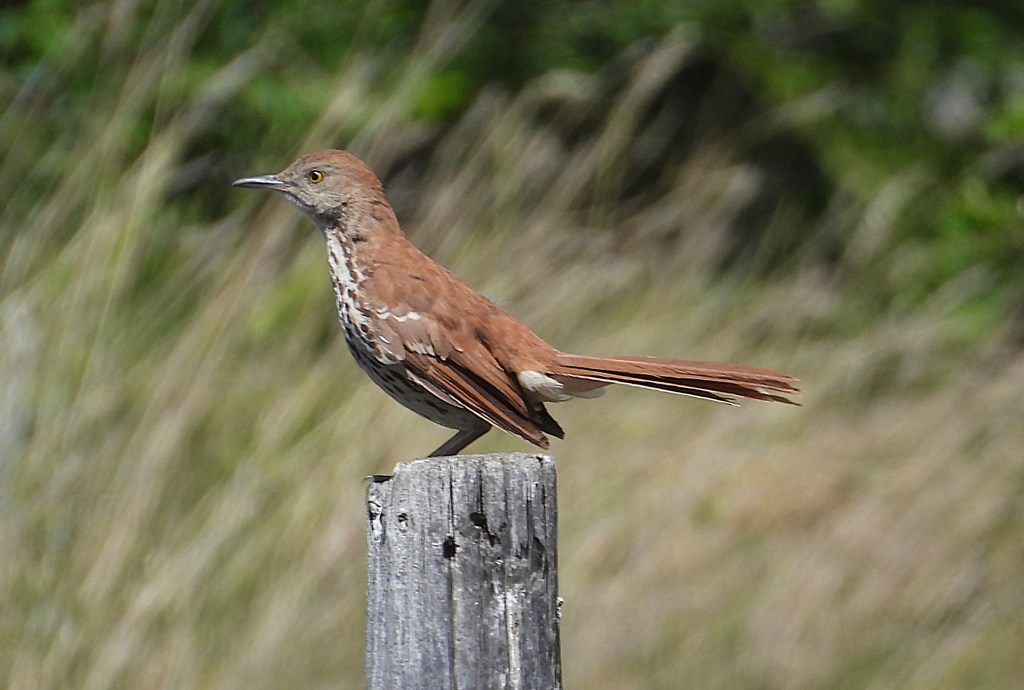
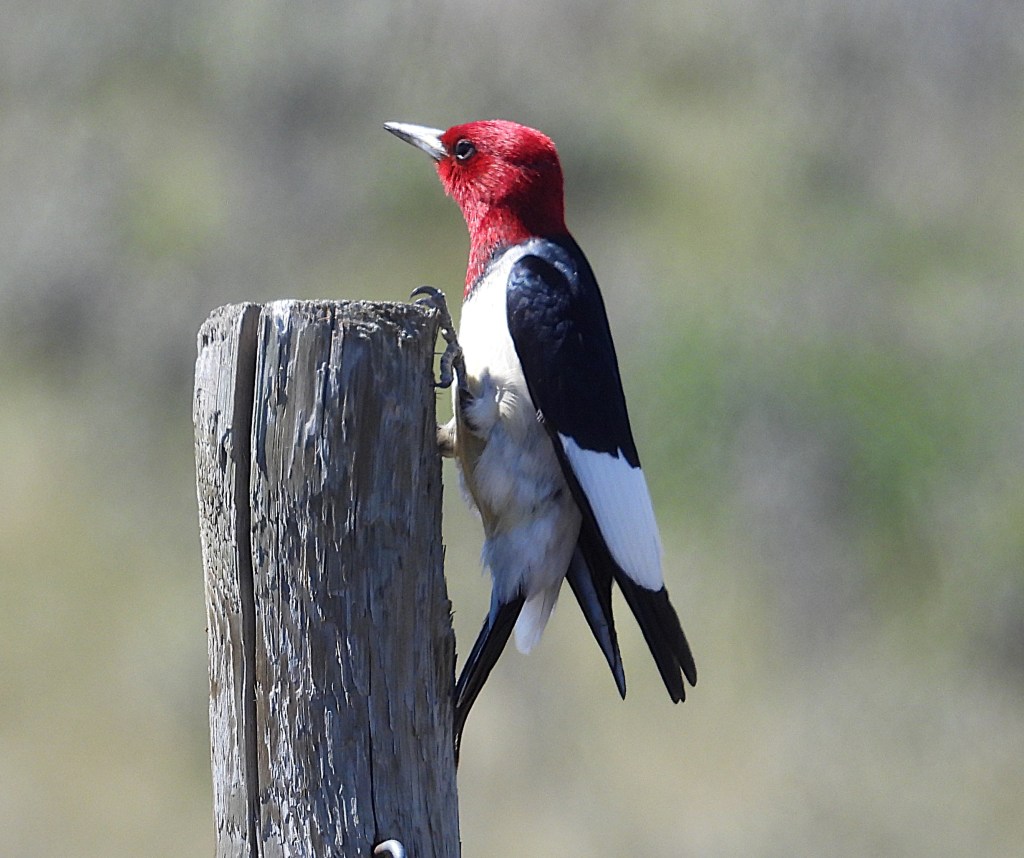
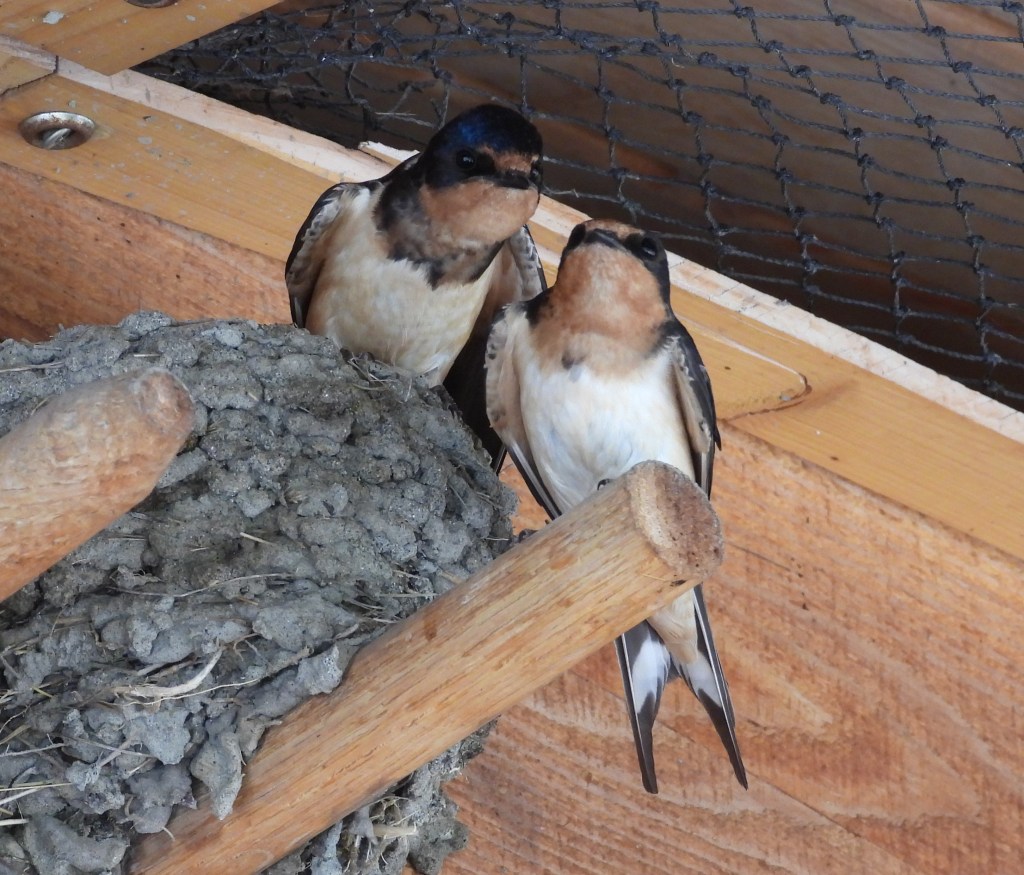
The campground at the eastern block also turned out to be a good place to look for birds. I picked up a few “lifers” there, including the below Red-headed Woodpecker and Brown Thrasher. There were also Barn Swallows nesting in one of the shelters.
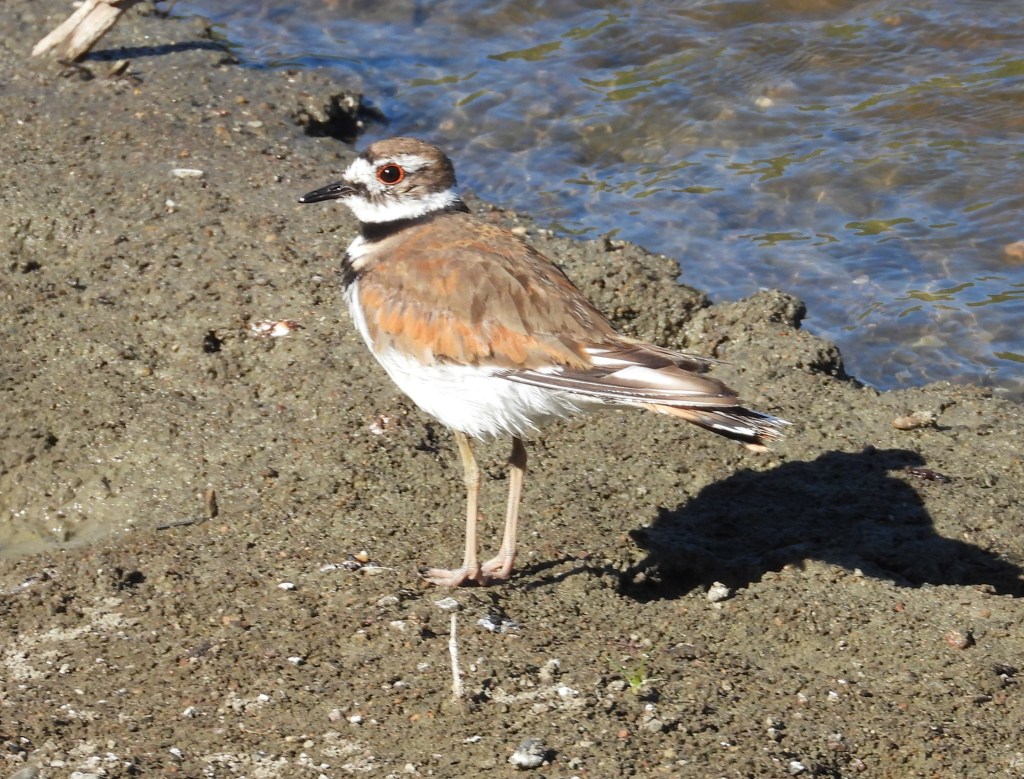
Overall, the park is quite dry and not the best place to look for waterbirds, but there are a few streams and damp areas where one can find some.
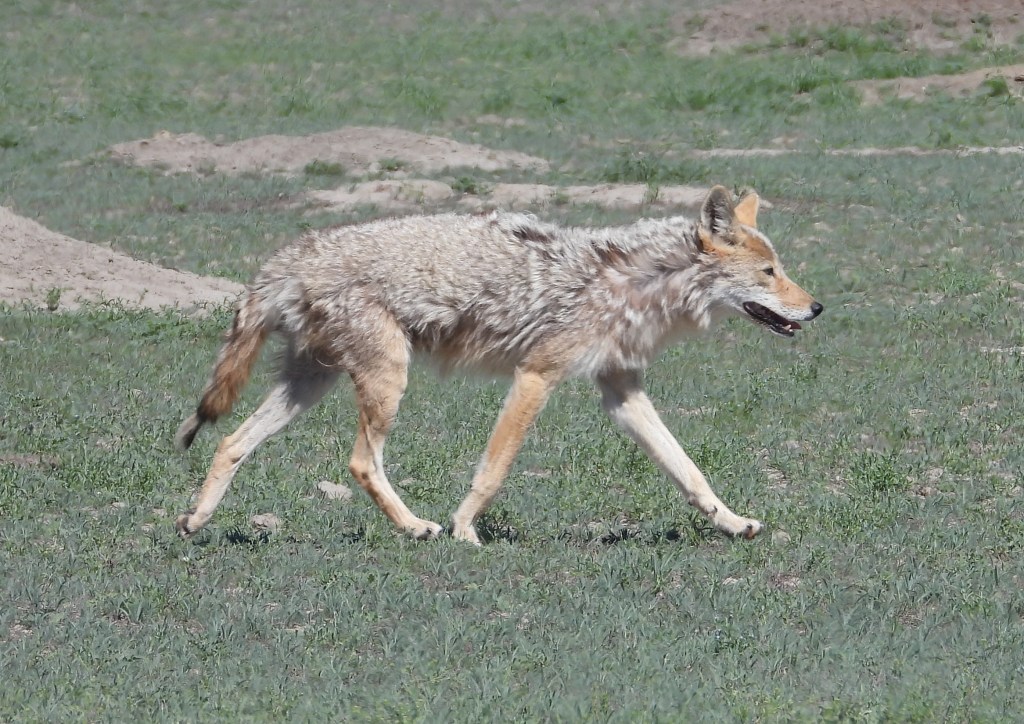
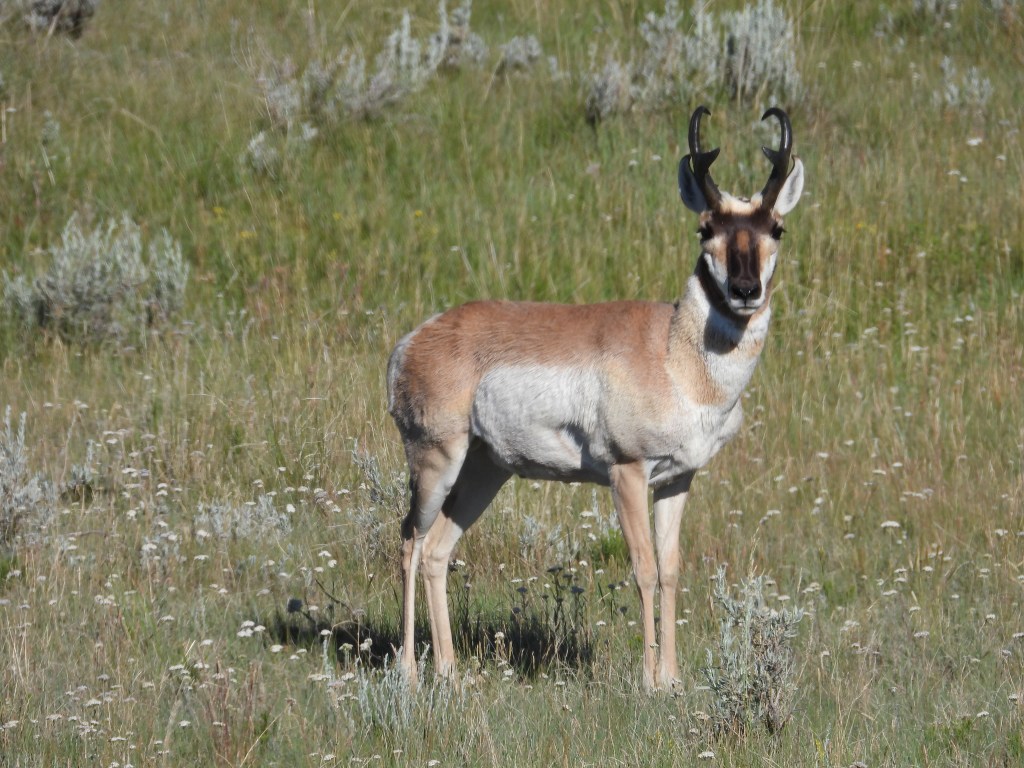
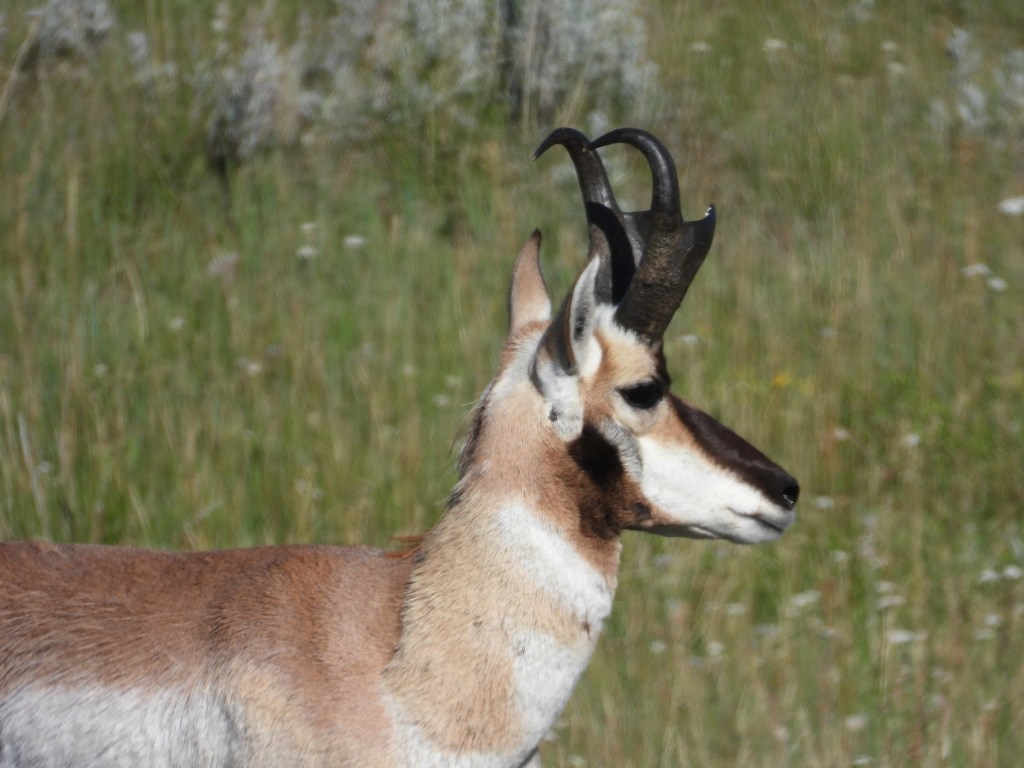
Besides birds, there are mammals to see in the park as well. I’ve already mentioned the Black-tailed Prairie Dogs and shown a coyote photo. Large mammals include Pronghorn and Bison. I really wanted to find some Prairie Rattlesnakes, but I was not successful there. (Yes, I actually want to see rattlesnakes.) Swift Fox occur in the park too., but I failed to spot any.
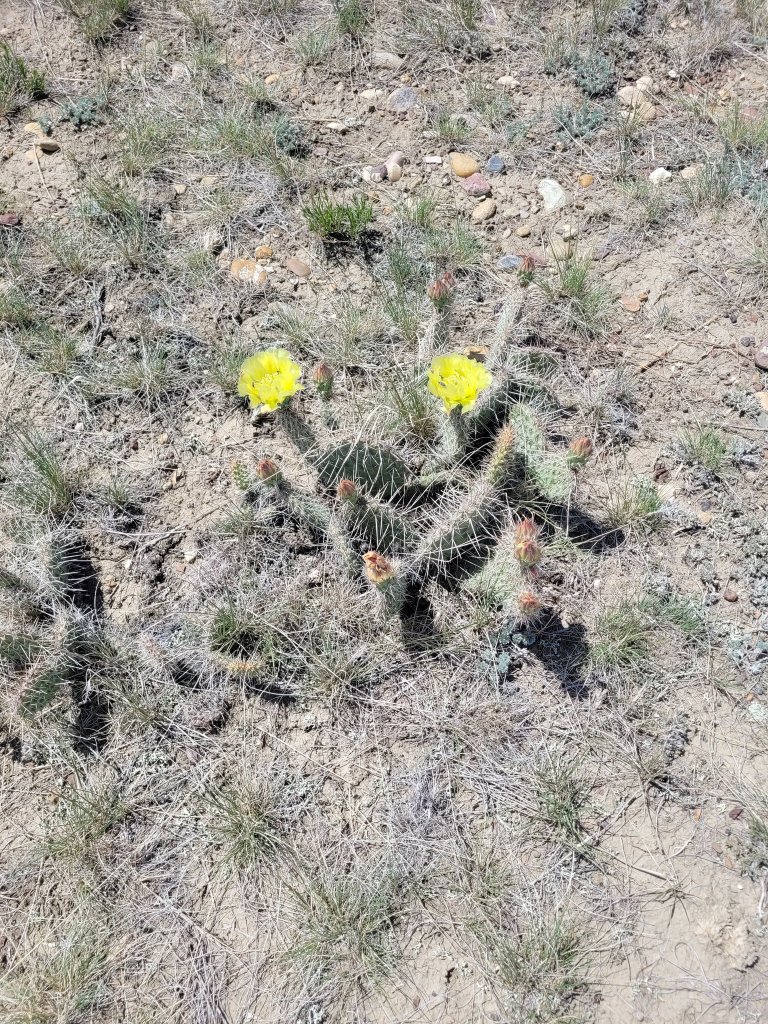
June is likely the best time for wildflowers in the park, and I was there right at the start of July. Nonetheless, they were still quite abundant, and my favorite were the Prickly Pear Cacti.
I had another great bird sighting on my way towards Lethbridge. I wanted to see an Indigo Bunting in Manitoba but was not successful with that. I checked ebird and saw that there had been one seen at Police Point Park in Medicine Hat. That is quite a bit further east than their usual range.
Sometimes, I get nowhere when I stop at a place to see a specific rare bird, but I couldn’t believe my luck with this one. I went to the park, got out of the car, and immediately saw the Indigo Bunting singing from the top of a tree.
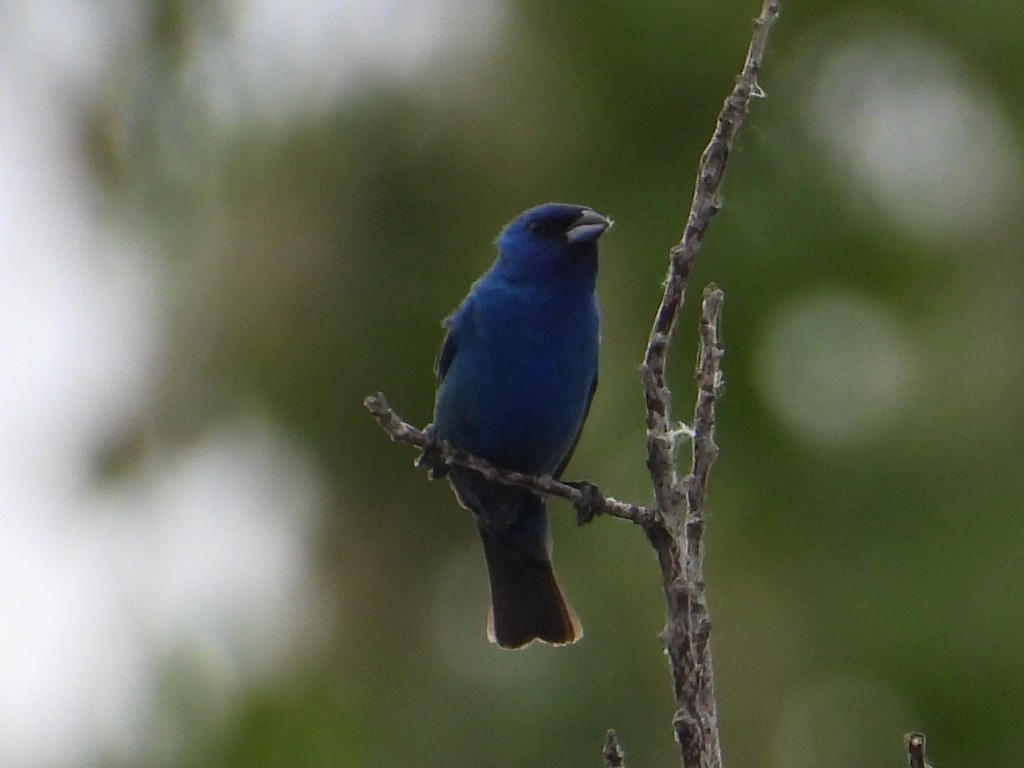
I didn’t get the best picture due to the major backlighting, but I still got a got view of this bird! It’s such a beautiful animal and was a nice end to my prairie birding tour.

